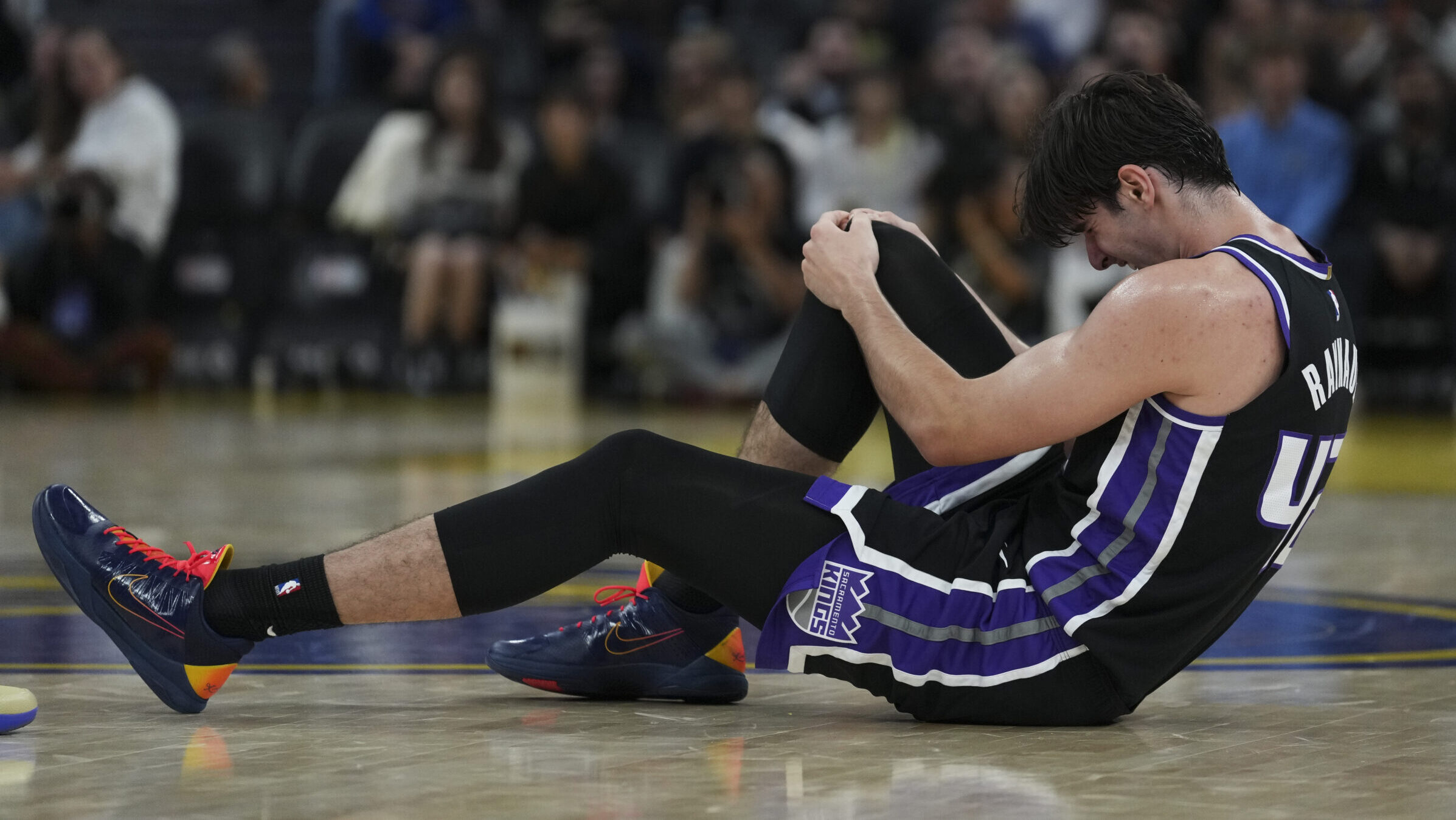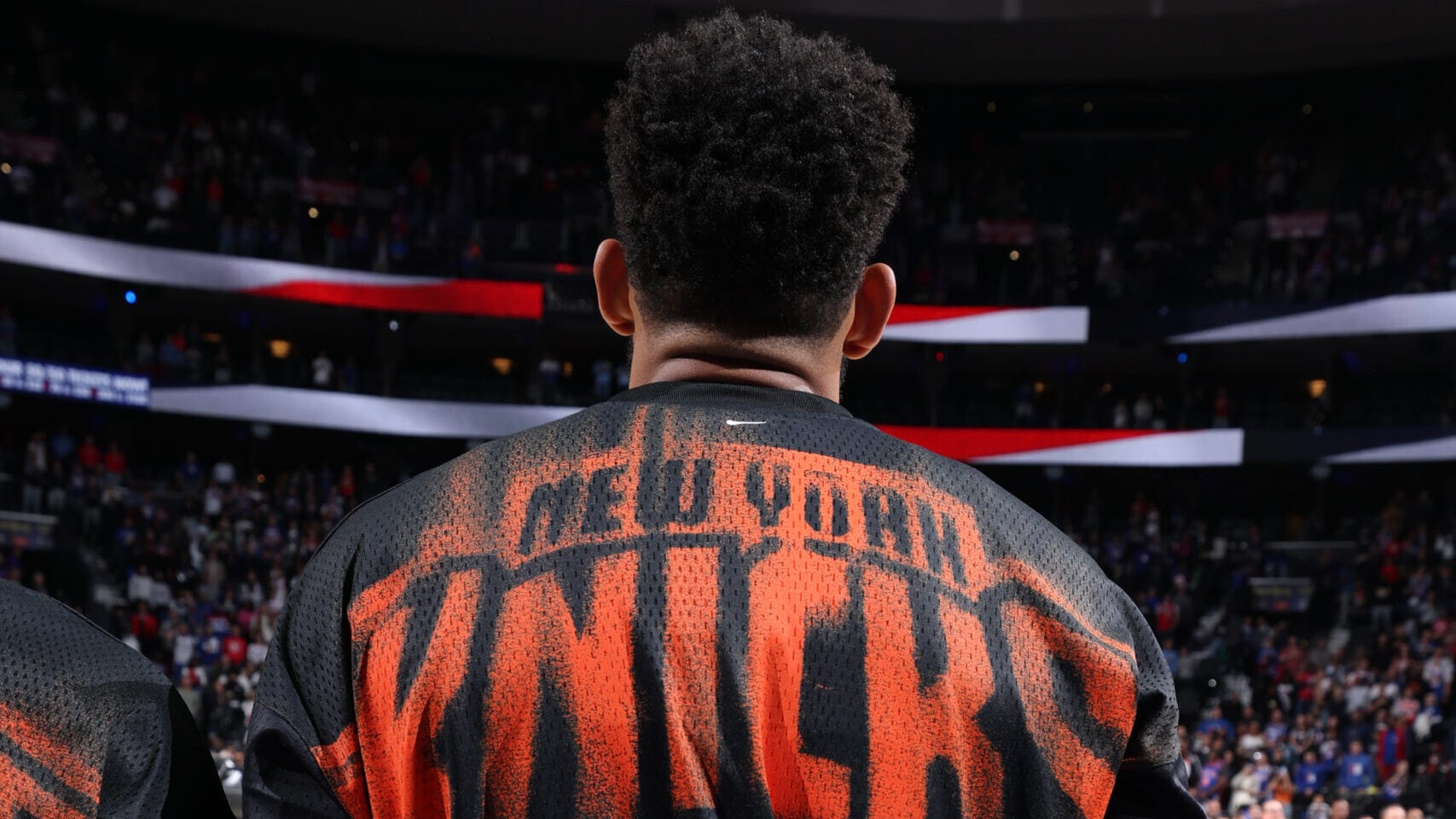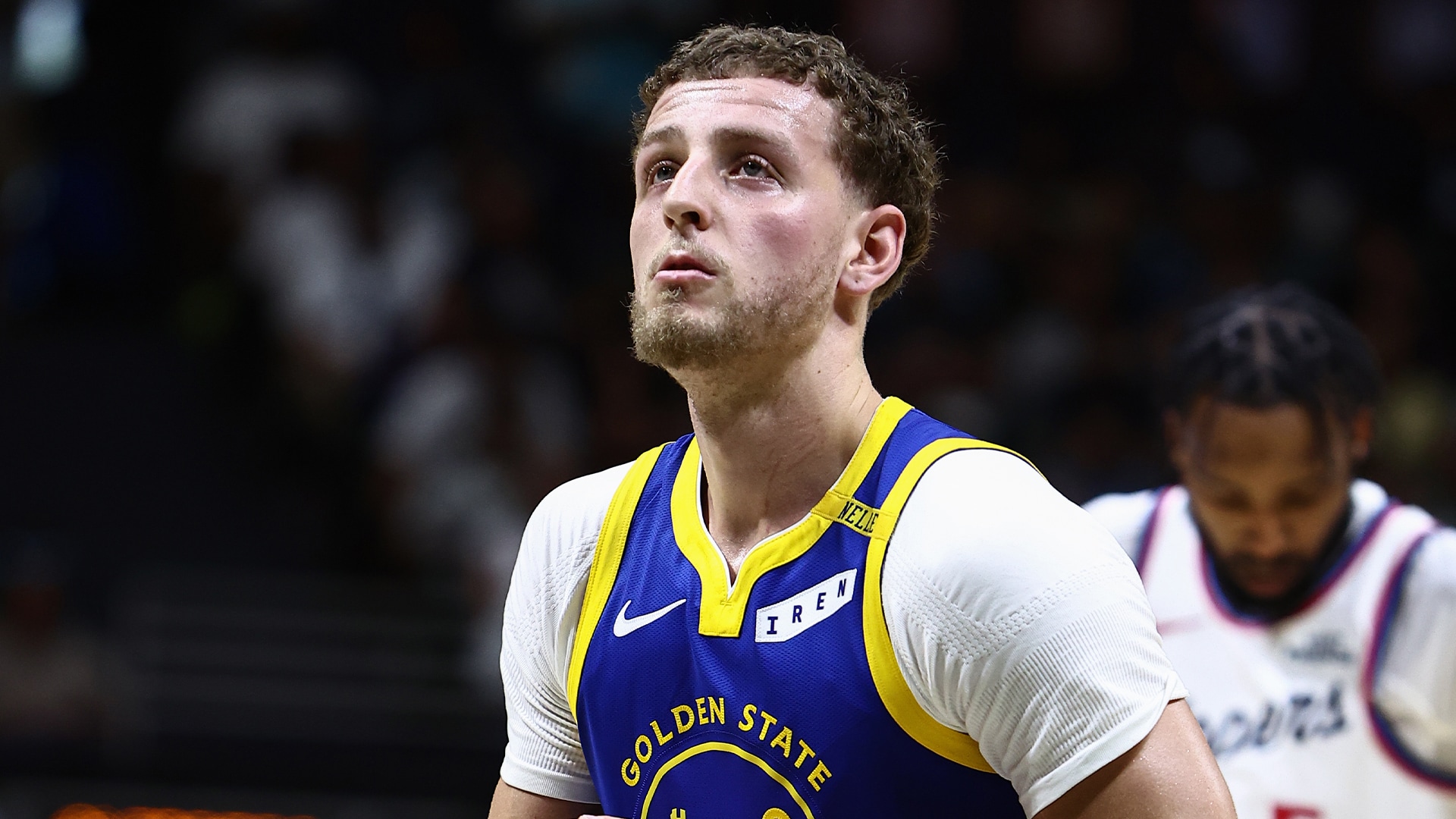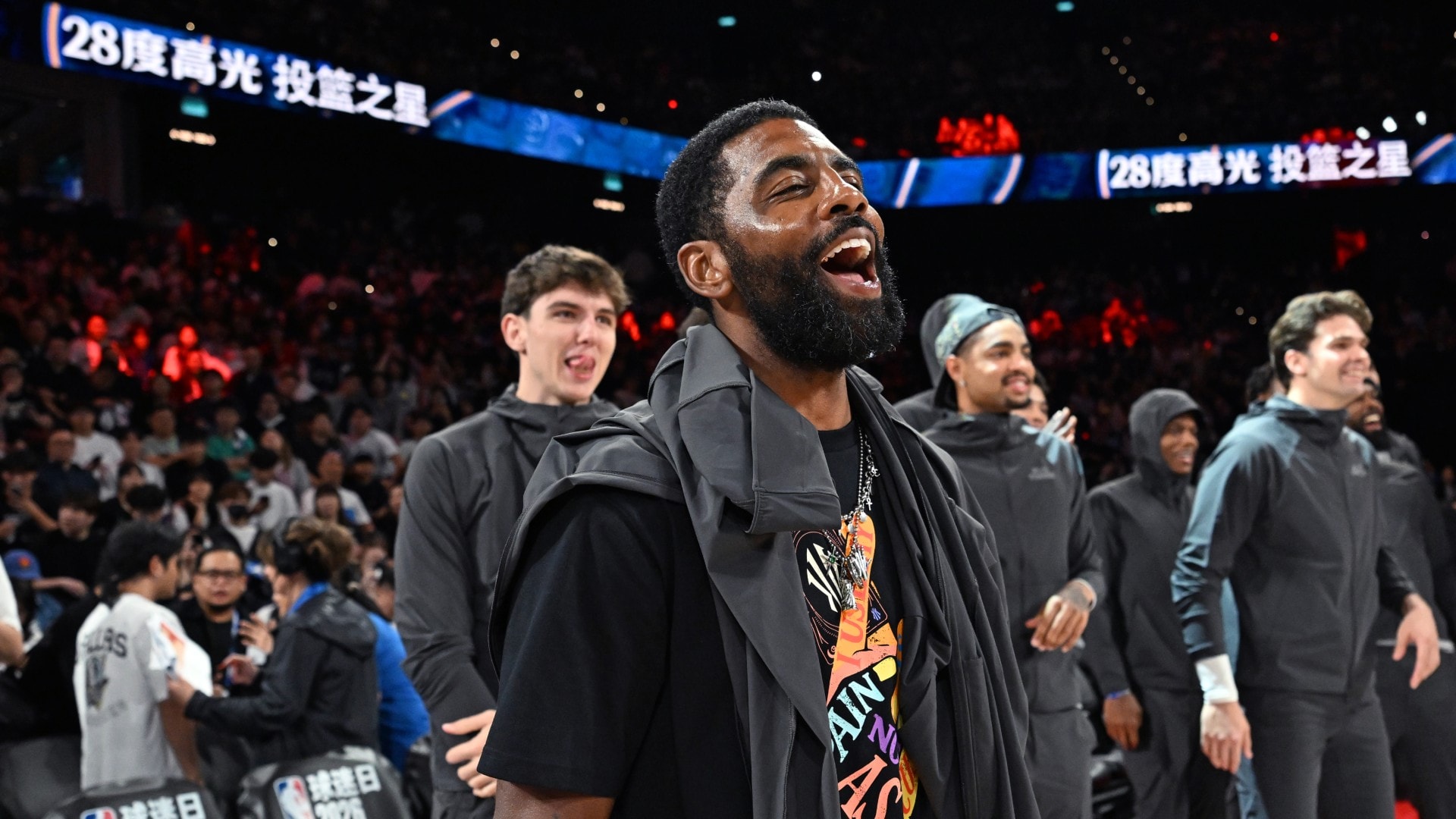
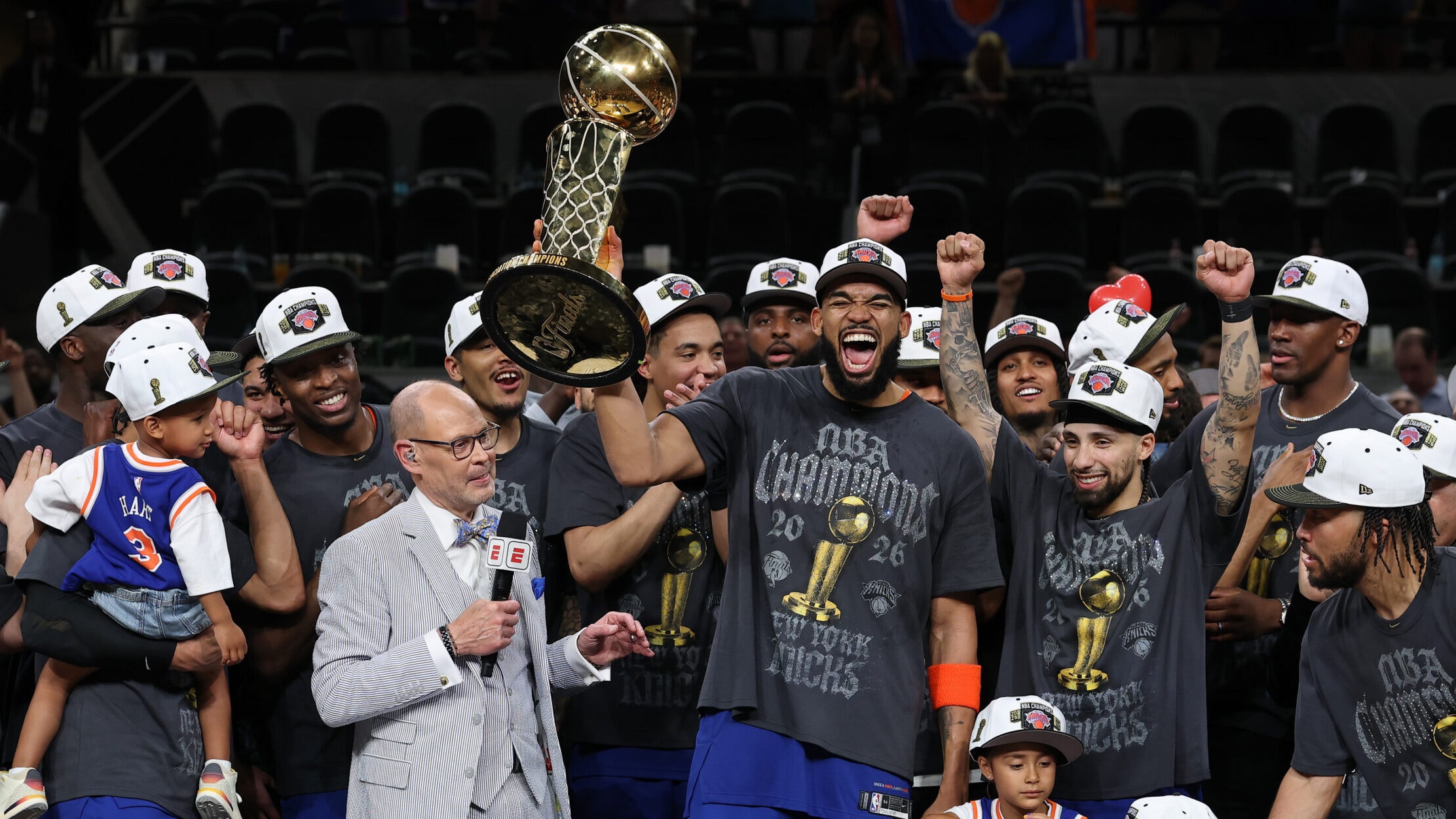
In 2026, the Knicks became the eighth different NBA champion over the last eight years.
NBA executive vice president and deputy general counsel Dan Rube works in the league’s legal department with a focus on the collective bargaining agreement with players.
Executive vice president and head of basketball operations James Jones works under the broad umbrella of league operations with a focus on “all things basketball all the time,” and executive vice president and head of basketball strategy and growth Evan Wasch strives to make the NBA basketball the best game possible through “strategy, innovation and technology.”
Though they work in different departments, they also work together with the goal of making the NBA a competitive, entertaining and successful on-court product.
As the NBA offseason sped through free agency and Summer League, all three had a watchful eye on the proceedings. How would the second apron impact teams? Is competitive balance making the league better? How does all of that influence the schedule?
NBA.com sat down with Rube, Jones and Wasch for a roundtable discussion and addressed those topics, including whether LeBron James’ late free-agent decision truly impacted the schedule-making process. This Q&A has been edited for clarity and length:
Q: Dan, we’re easing out of the heavy free agency period that began earlier this summer. There was a lot of talk about the second apron. Can you just explain what the second apron is?
Dan Rube: The second apron, that’s a new payroll threshold that was put into this latest CBA [collective bargaining agreement]. And it adds, for the very highest spending teams, greater transaction restrictions and penalties than we’ve previously had in other CBAs. To get a little more specific, the transaction restrictions that apply to teams that have payrolls above the second apron level, they relate to adding new talent. For example, if a team is above the second apron, it can still sign contract extensions with its players and use the Larry Bird salary cap exception to re-sign its players as free agents. What you can no longer do if you have a payroll above that level are things like what we call the mid-level salary exception to bring in a new player, or trade several lower salaried players away in exchange for a single player making the sum of those salary amounts and going above the second apron by even more with transactions like those that add new talent.
Where is that second apron threshold set? It increases every year in proportion to other system levels, but for the upcoming season, it’s at $222 million. And that means that in order for those consequences that I described to apply to a team, they’d have to be spending more than $57 million above that $165 million salary cap or more than $20 million above the $200 million tax level. And just to give you a sense for the size of the group the new rules are targeting, historically until shortly before this CBA on average per year, we had about two to three teams spending at that highest tier.
Q: What is the league – and I know these are collectively bargained issues – trying to accomplish?
DR: Historically, we’ve had this small group of teams each year that were gaining significant competitive advantage by outspending the rest of the league. And the goal of the second apron was to level the field by discouraging that kind of outspending. For teams that do continue to spend above the second apron – and you still can and some teams have – there’s an additional purpose here, which is to at least limit the ways that those teams can extend their spending advantage by adding new talent. That’s the first-order goal.
But then, the ultimate goal that comes from a more level field that functions in this way is a fairer system with more balanced competitive opportunity that produces the strongest possible league-wide competition for everyone’s collective benefit. And by everyone, what we really mean here is everyone – that’s to say 30 teams, 500-plus players, and of course the fans.
Q: Over the past eight years, we’ve had eight different champions, and we haven’t had back-to-back finalists in about that same amount of time since the Golden State Warriors played in back-to-back Finals in 2018 and 2019. And so James, what are you seeing from that competitive aspect that you like? You’ve been in this league a long time, first as a player and then as a general manager that tried to get a team to the Finals. What are you seeing out there today?
James Jones: I’m seeing a level of excitement in the player base, honestly. The greatest feeling you can have as a player going into a season is knowing you legitimately have a shot to win a championship. If you ask the best players as this talent pool continues to expand globally – we’re bringing in the best of the world – those guys are driven by extreme success and they want to win.
They want to win championships. Eight champions in eight years is a testament to how difficult it is to repeat. And I actually think for those teams that do repeat or that do make it multiple years, it should really send a signal to everyone else just how good those teams are. We’ve never wanted to create a system where it was easy to win.
I mean, if that’s the case, then the championship really doesn’t hold meaning. Now it does. You know that if a team runs it back, they’re pretty special and that happens across a bunch of different functions. It’s great team building, it’s roster management, it’s health, it’s player development, it’s acquisition. All those things have to come together just for you to do it one time. … There are 450 players in this league that start beginning of training camp with the goal of winning a championship, some closer to that being a reality than others. But they all can agree and believe that if last year wasn’t their year, this year very well may be. And that’s a good starting point for any league.
Q: Evan, I don’t want to leave out any teams in this discussion, so I won’t say a number, but there are going to be some really good teams this season that don’t make the playoffs. And this leads into a scheduling question: is there a way to explain just basically how the schedule is made? And then what are the difficulties of making a schedule for 30 teams playing 82 games?
Evan Wasch: You can think of it as effectively the world’s largest math problem. We had someone run the numbers once. There are more possible combinations of an NBA schedule – meaning how to place the 1,230 games across the roughly 180 nights over the course of the season – than there are atoms in the universe. And it’s a sort of mind-blowing statement that proves out mathematically true. Then the goal is how do you find that proverbial atom in the universe that best balances all of the competing considerations across player health, density, back-to-backs, network considerations, team business considerations and travel miles?
The way we do it is we partner with a software company called Fastbreak, and it’s called constraint-based optimization, where you write a constraint for all of the things that you either want to see in the schedule or you want to avoid. And then when you’re done writing all those, you put penalties against them to give the system a guide of which ones are more important than others.
For example, avoiding back-to-backs is maybe more important than saving 10 miles of travel from City A to City B. And once you have that, you run it through the optimization and iterate through that. We end up writing over 3,000 constraints most years. Luckily, we don’t have to start from scratch. We can port those over from one year to the next and update as necessary. But where the interesting piece and what ties into the conversation about the competition is the very first building block of the schedule is the national television schedule.
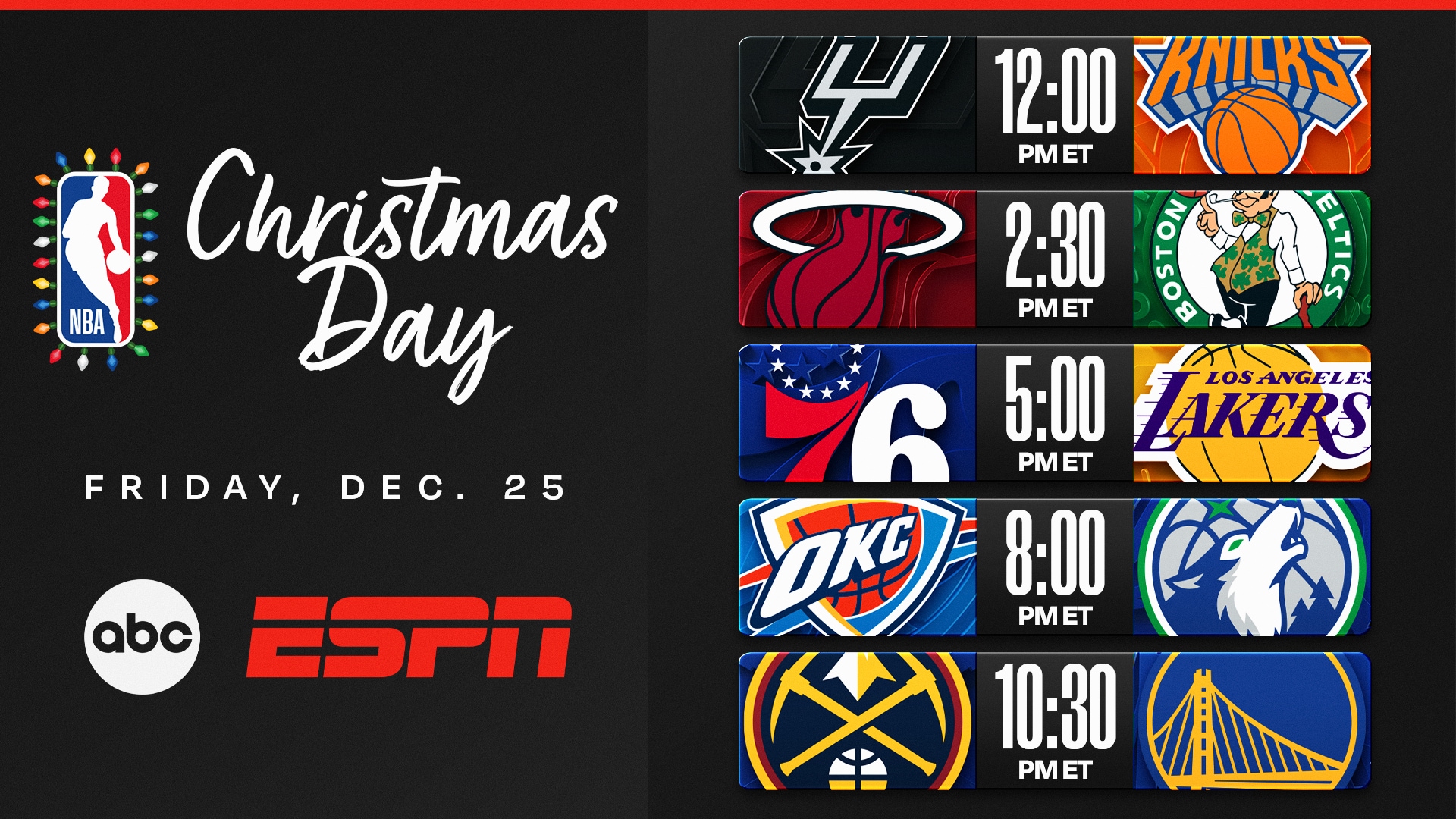
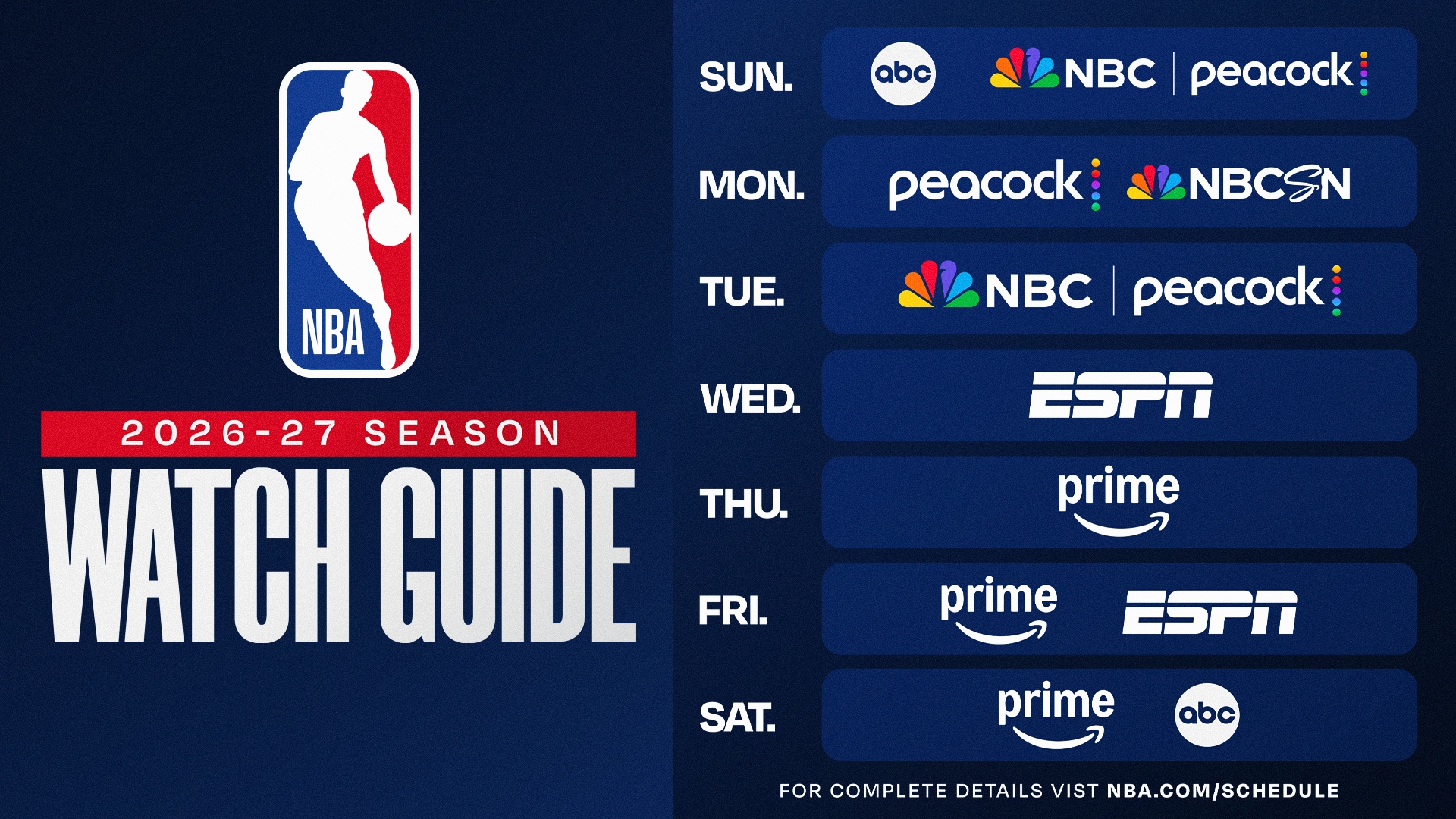
The first building block of the national television schedule are our key tentpole events: opening night, opening week, Christmas Day, MLK Day, Sunday Night Basketball, ABC, NBA Cup, et cetera. When you think about those windows, roughly 60 windows across the course of the season where we know we’re going to have the most eyeballs, you want to be able to feature the best teams or the most interesting storylines in those games. And it’s an incredibly great problem to have – to have so many teams that drive such great fan interest. Every year when we sit down and have to decide the 10 teams that are going to play on Christmas, you start counting on your fingers much like you did with the playoffs and immediately say, ‘Uh-oh, there’s going to be some pretty darn attractive teams left off Christmas because there’s only 10 slots.’ And then you try to slot those teams maybe into opening week to make sure that they’re getting some attention as well.
Q: Evan, does your mindset stay the same year-to-year or do you approach each season with different thoughts due to feedback you may have received from teams?
EW: The answer is it absolutely changes year-to-year. I remarked to someone recently, I believe this is the 12th year, maybe 13th that I’ve worked on the NBA schedule. I truly don’t think there were ever two consecutive years where the problem was unchanged. If you look back at the history of the NBA over the past decade-plus, at the very start was when we started introducing computer optimization. That was by definition new. Then we entered the 2017 CBA where we actually extended the calendar footprint of the regular season by a week to alleviate some of the density and back-to-back issues. Then of course we unfortunately had the two COVID interrupted seasons. We came out of that, added a Play-In Tournament, then we added an NBA Cup, then we entered into our new media agreements. Every year it felt like we were relearning or learning for the first time something new in the schedule and how to incorporate it.
It has been challenging to never have a little bit of that steady-state status quo where you can say, ‘Yes, I can apply last year’s learnings here.’ But it is still an iterative process. There’s tips and tricks that we learn each year that make us better and better. We do think the schedule’s in a pretty good place, but there’s always going to be a disruption from what I can tell.
Q: Dan, I’m going to circle back to you and talk about where we are in terms of competitive balance. I know that we’re almost always early in a CBA before we start looking at the next one, but are you able to distill any trends from the CBA, what we’ve seen and what we might be seeing moving forward?
DR: The trends that we’re looking at here are the ones that we were hoping to see, which is to say that we’re seeing payroll disparity start to shrink. And interestingly, but not unexpectedly, it’s coming from two sources. One, because of things like the new apron rules that we’re talking about, we do have a reduction in the extent to which teams at the highest levels are spending, and that’s helping to contribute. But at the same time, and this isn’t something that gets talked about as much, there’s a lot going on for the rest of the league that’s encouraging other teams to continue to spend, and in many cases, spend more than they would have under the prior system. Of course, having a more level field that puts more teams in a position to compete is itself something that encourages that dynamic. But on top of that, we made a number of changes in this CBA, like increasing the minimum team salary, increasing various salary cap exceptions for both signings and trades, loosening the extension rules.
We even lowered the tax rates that apply to the teams that are spending above the tax level, but below the second apron. Those things have served as a counterbalance so the teams that aren’t the highest spenders have been spending more. And so the result of that is reduced disparity. We’re seeing what we were hoping to see, which is essentially more teams, players, and fans each season, as James was talking about, with realistic championship contending hopes.
Q: Dan, we’re going to keep talking about the second apron for the next couple of seasons as well. And as we further talk about it, if there’s one message that you wish had more airtime or wish people knew better, what’s that message you want to share about the second apron?
DR: Certainly, the primary message is the one that we’ve been talking about, which is that it’s there to create a more level field, create more balanced competitive opportunity, create the fairest and strongest league-wide competition that’s going to be the best for all teams, players, and fans collectively. That’s the single most important thing at the highest level to understand about it. There’s of course a lot of detail. Embedded within some of that detail is what I would say is one of the biggest misconceptions about it that we continue to hear, which is that it is there to save owners money or will cause players to get less money. We have a revenue-sharing system every year. Players get a percentage of revenue, 51%. We call it BRI (basketball-related income). And that means that when we have a system that creates more level field by limiting the amount that some teams spend at the high end, then that necessarily means that we’re going to have other teams that are increasing their spend, who are collectively those other teams that are not the highest spenders.
Ultimately, we and the union together spent a lot of time – hours and hours in the last CBA negotiations – talking about how to create a win-win system. It wasn’t about a system that would be good for teams versus a system that would be good for players. It was about a system that collectively would be better for both and distribute opportunity more fairly and more broadly. And those are really the messages that I’d want to get out there.
Q: James, what’s your answer to that fan who liked what he saw or she saw in Golden State and wants to see more of it compared to what maybe we’ve seen the past eight years, which again, not only eight different champions, but we are seeing different finalists almost every season as well?
JJ: I think multiple champions is great. I think a dynasty in an era where it’s really balanced and competitive and you’re able to win multiple championships, it just makes it that more special. I’m with (NBA Commissioner) Adam (Silver) and everyone. We’re not trying to create a system where it’s not easy for one team to get out front and stay out front. That’s not the league’s position. The league’s position is to create a very balanced and consistent environment for teams that develop internally, externally, however they build their teams, to continue to compete fairly.
Dynasties are a big part of sport, but it’s never the league’s position to determine whether or not dynasties happen. You have to have great players, and you have to have some luck and you have to have all those things come together and you have to do it over an extended period of time.
That’s for the individual teams to figure out how to do that within whichever system they’re in. And our position will always be to think about how can we, to Evan’s point, create balanced schedules that allow teams to optimize their health? How can we create a balanced roster building system so that teams can fairly and consistently build teams, retain their talent (and) acquire talent?
And at the end of the day, we set the stage for these teams to go and compete. And at the end of the season, if they win it and they’re able to do it multiple years, we celebrate that. But we always celebrate the ability for teams to compete fairly and have a realistic shot at winning a championship because that’s what really drives our fan bases to support, cheer, and follow their teams even when they have a down year. That’s the sign of a good league and I think we have that.
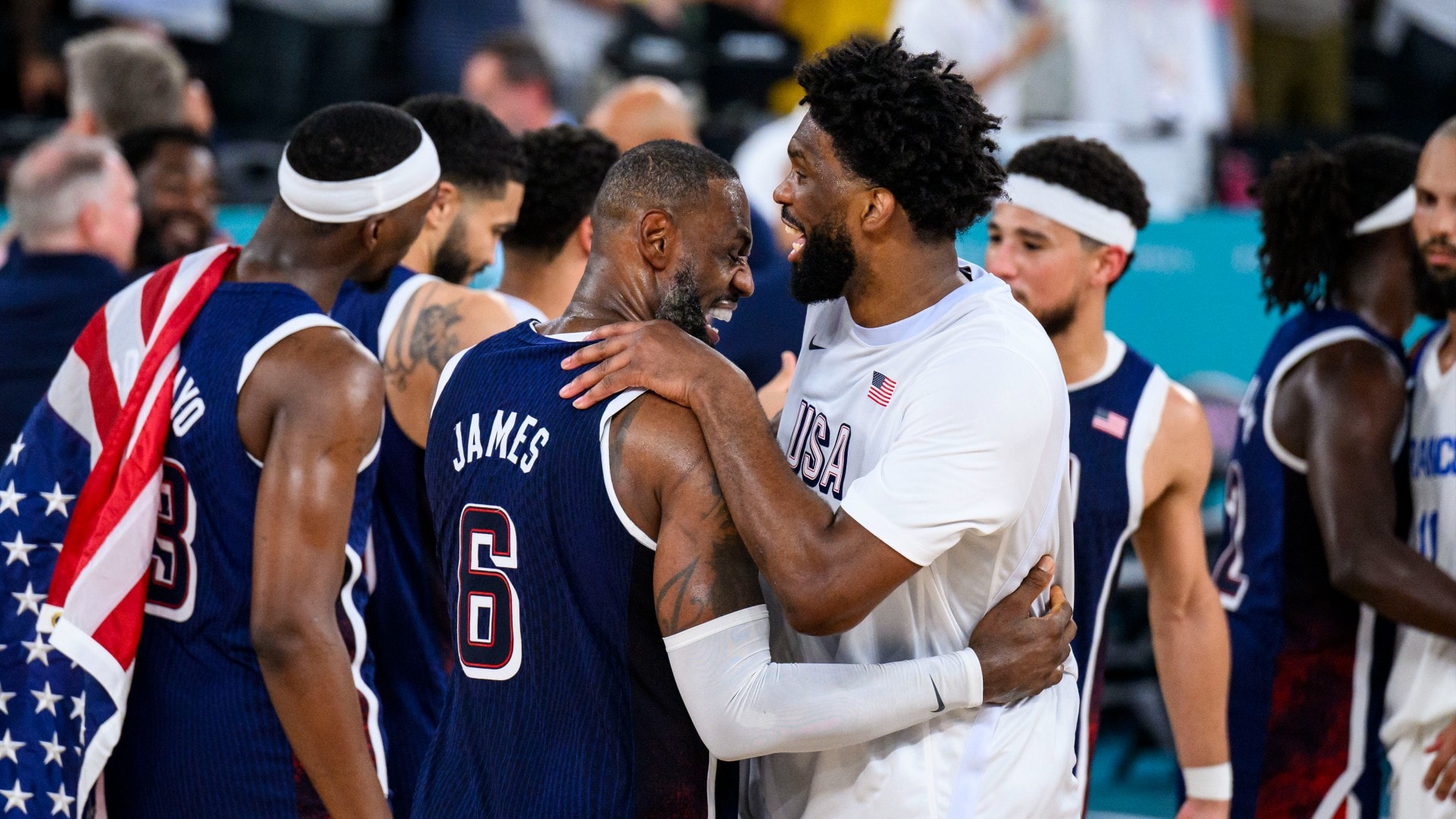
Q: Evan, how much of an impact did LeBron James’ decision actually make in making the schedule this season? And was this sort of standard fare as we wait for free agency to play out every year or was there something different because it was LeBron James?
EW: The answer to the latter question is it’s not different because it’s LeBron James. There obviously is a long track record of superstars changing teams in the offseason and that impacting the schedule, which I can talk about in a moment. The difference here was just the timing. To my recollection, there had not been an instance of a superstar changing teams, call it in late July. Typically, it had happened at the start of free agency or closer to mid-July where we’re in the earlier stages of the schedule-build process. And then there’s also been examples where stars have changed teams after the schedule is released where of course it can’t impact it because it’s already out.
The way it does impact though is as I talked about those building blocks earlier, you can imagine that as a result of LeBron’s decision, there’s a bunch of different games on the schedule that become more interesting. For example, when is Philadelphia going to go play at the Lakers for the so-called LeBron return game? Because, of course, we schedule road trips around those cross-country games that will implicate when Philadelphia is going to go on a West Coast road trip, which in turn has domino effects for the rest of the TV schedule and therefore the rest of the full schedule.
It absolutely does drive the overall scheduling picture. And that was the complication while waiting for his decision, knowing what some of those foundational pieces of the schedule were going to look like. We were running different scenarios trying to plan for all the different possible outcomes. But it certainly is a disruption to the process to have a piece of information like that come that late in the process.