Cade Cunningham doesn’t get hurt for turnovers or missed threes, making him a worthy top five pick in High Score
The preseason is less than two weeks away, and it’s time to start preparing for Yahoo High Score leagues! A quick reminder that this format rewards more for assists, takes away turnovers, and only counts the highest score from your starters each week. That brings up high-usage players with turnover concerns, and players who have games missed concerns tied to their names due to age or injury history.
Round 1
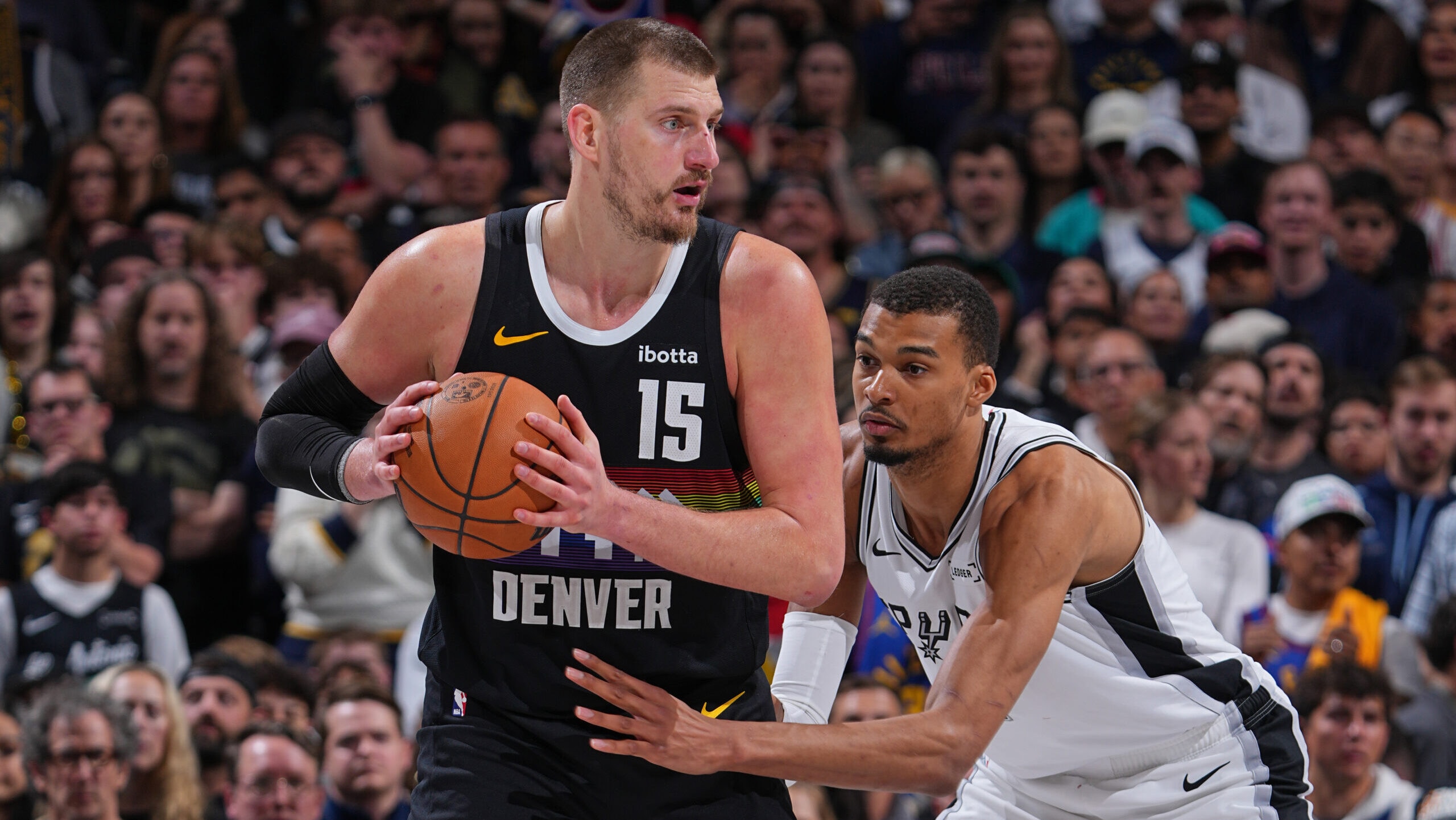
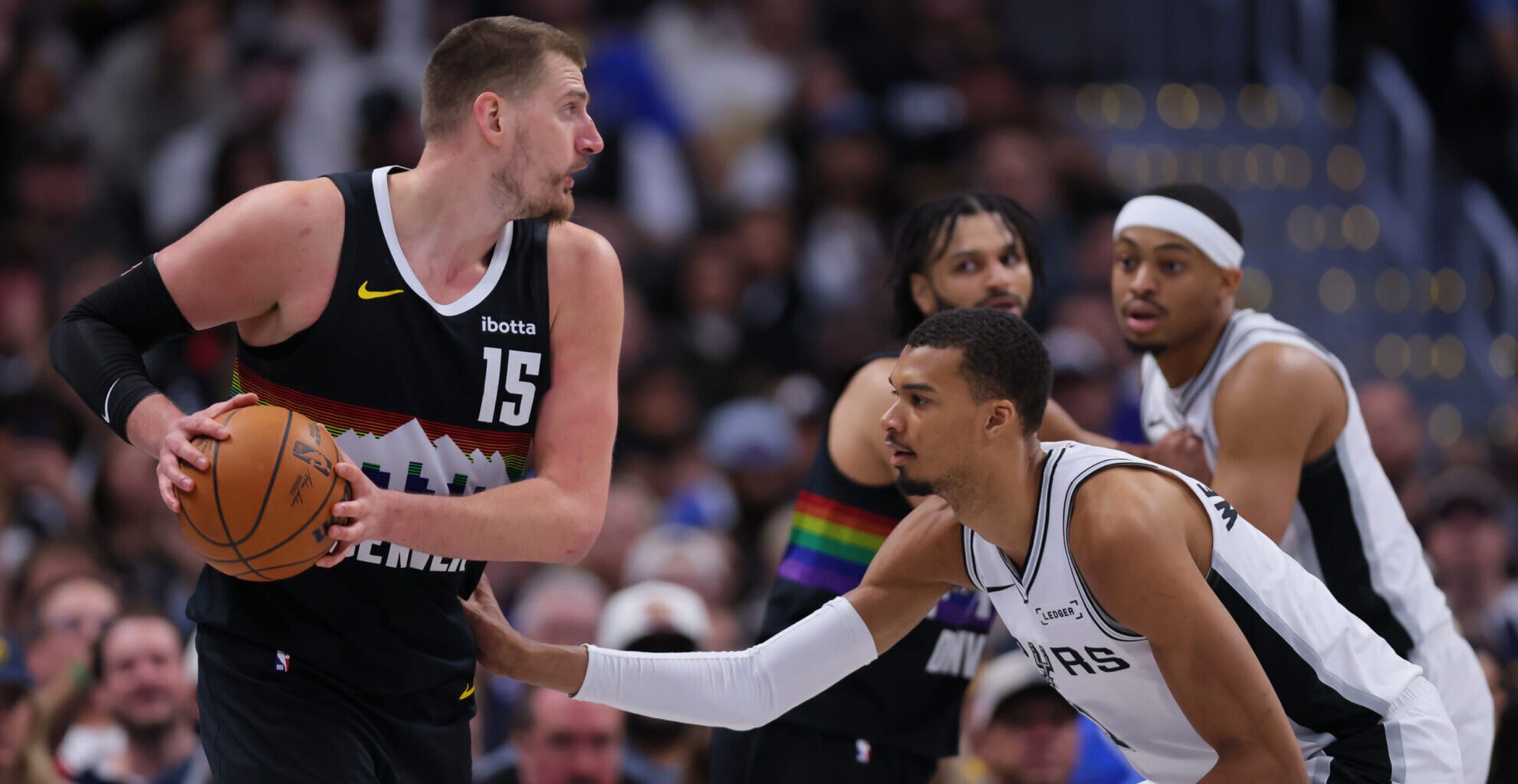
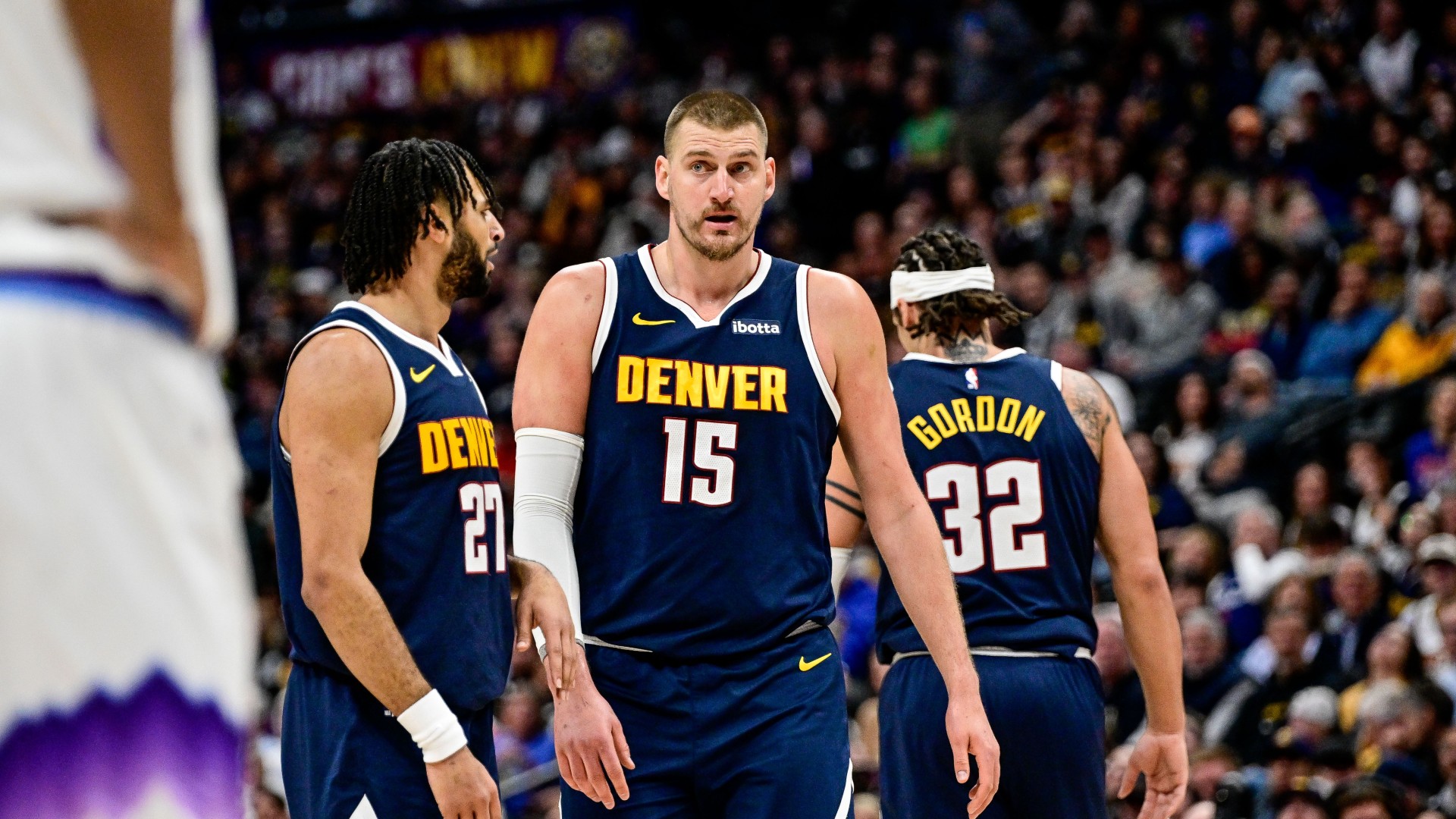
- Nikola Jokić, Denver Nuggets — Eleven assists at two apiece, and nothing clawed back by turnovers. The largest weekly ceiling in the sport.
- Victor Wembanyama, San Antonio Spurs — Everything that makes him elite still counts; the only gap to Jokić is passing volume, which is the one thing this format pays a premium for.
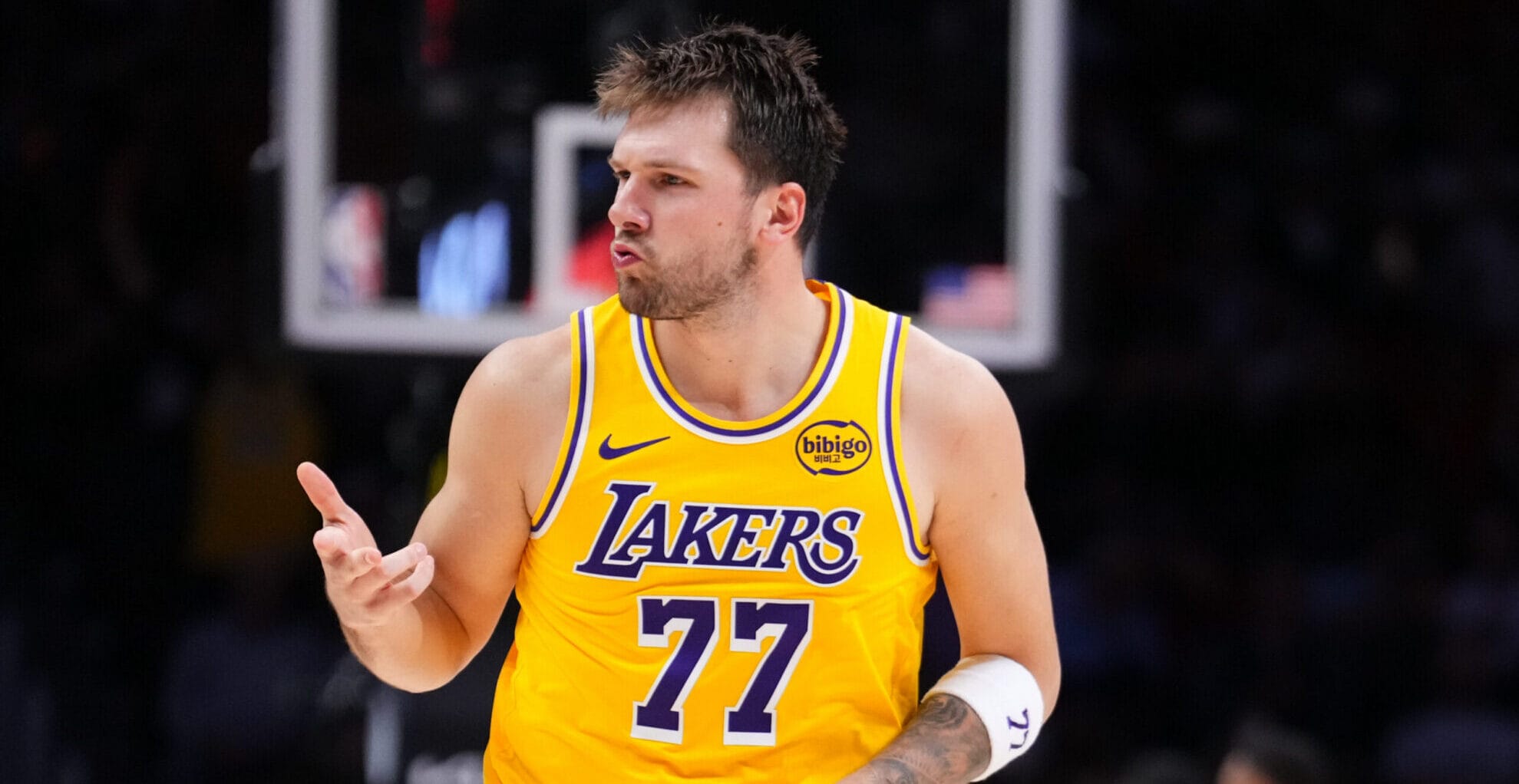
- Luka Dončić, Los Angeles Lakers — He owns the ball with LeBron gone, and his single biggest deduction, averaging over four turnovers a night, has been deleted in High Score.
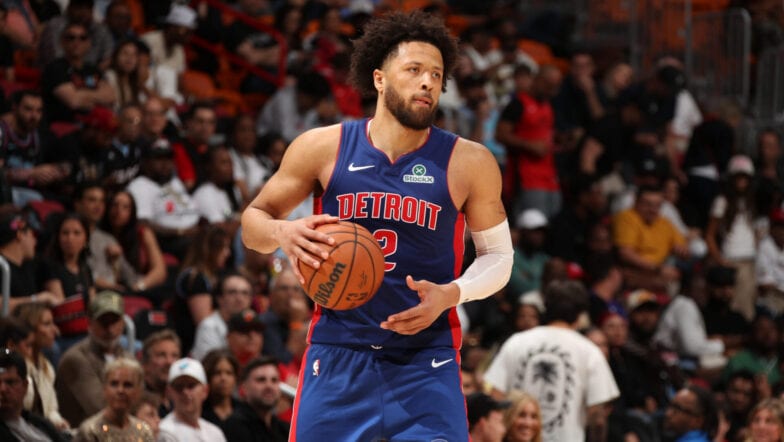
- Cade Cunningham, Detroit Pistons — A Round 1 High Score winner: a heavy assist load worth double, and the turnovers that came with it cost nothing.
- Giannis Antetokounmpo, Miami Heat — Thirty points, 11 boards and six assists on huge minutes, with the turnovers and free throws both off the sheet.
- Shai Gilgeous-Alexander, Oklahoma City Thunder — Scoring efficiency and free-throw accuracy don’t score, and his assist total is good rather than great. He’s a faller relative to category leagues and standard points formats.
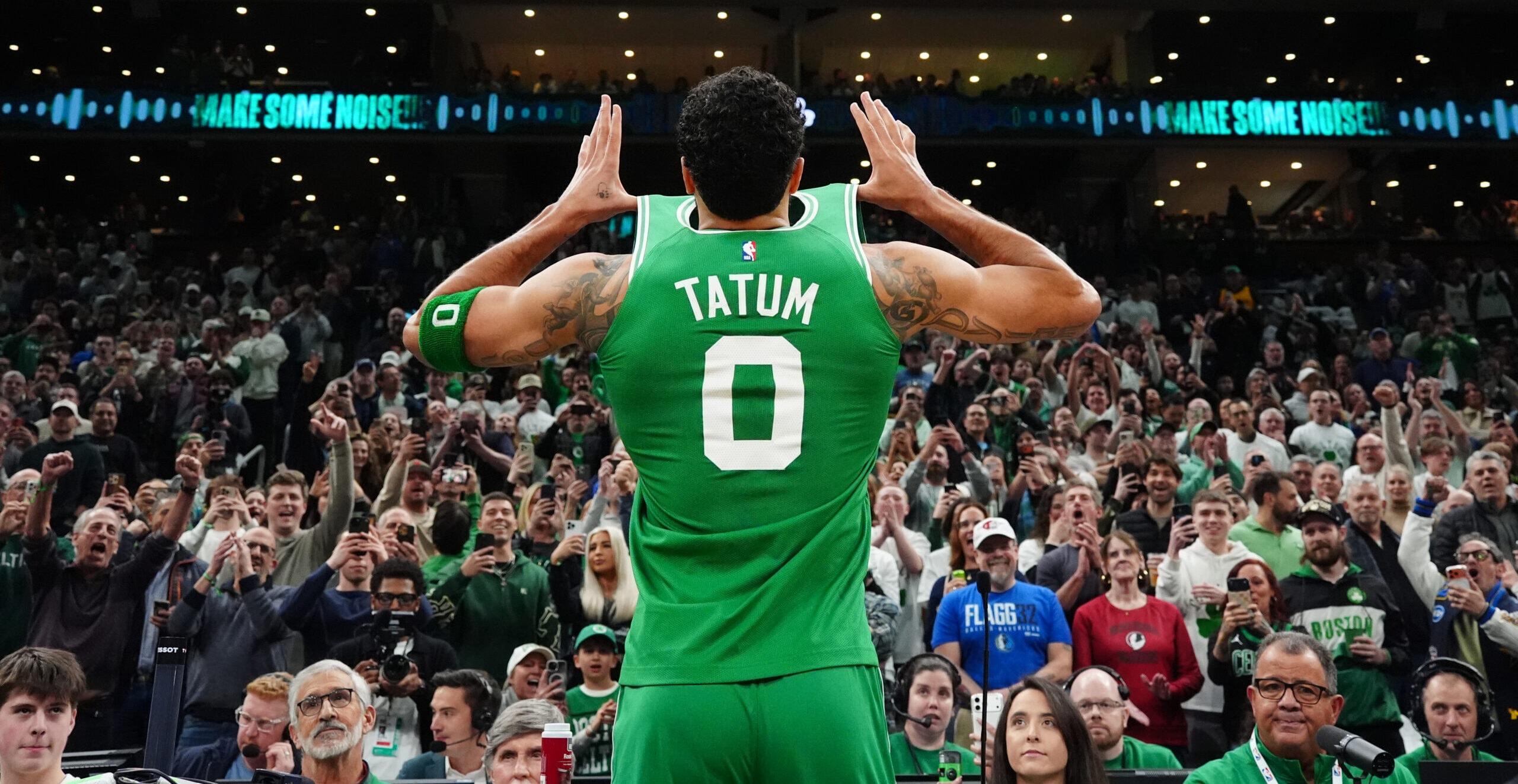
- Jayson Tatum, Boston Celtics — Boston’s clear first option with Jaylen Brown gone, and early-season minutes management does much less damage when only his best game counts.
- Jalen Johnson, Atlanta Hawks — A 20/10/10 threat, and the games-played bet you’re making shrinks to almost nothing when one game carries the week.
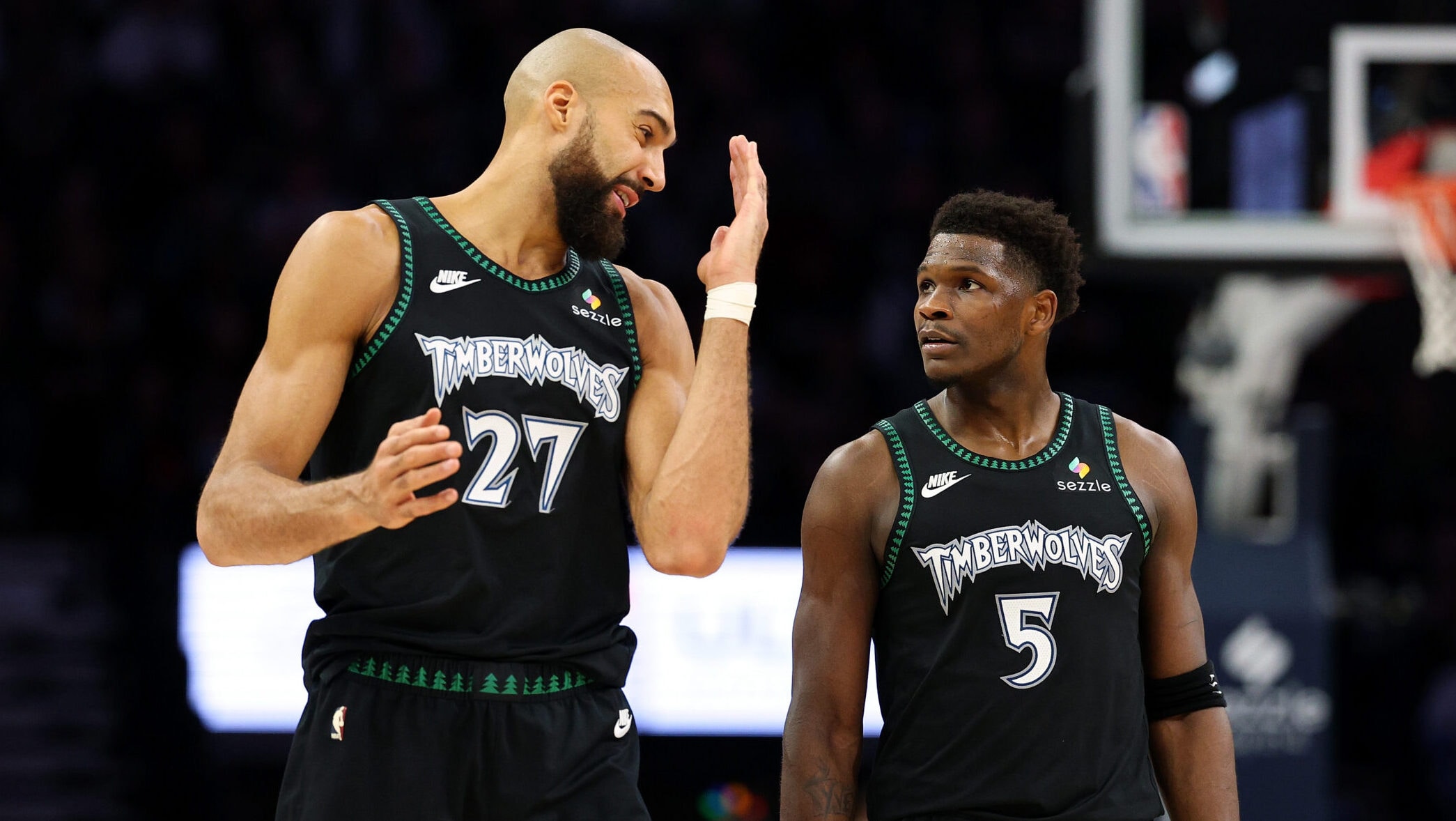
- Anthony Edwards, Minnesota Timberwolves — Scoring volume is the whole engine, so the assist dip that comes with LaMelo Ball running more offense costs him more here than it would elsewhere.
- Cooper Flagg, Dallas Mavericks — After a fantastic rookie season, Flagg should be able to take a step up in Year 2. His relative lack of 3-point shooting doesn’t cost you in High Score.
- Tyrese Maxey, Philadelphia 76ers — A real touch reduction is coming with Jaylen Brown and LeBron James. He can make up for it with efficiency in category formats, but not here.
- Scottie Barnes, Toronto Raptors — Kawhi Leonard trims his usage, but Barnes answers with rebounds, assists and defense.
Round 2
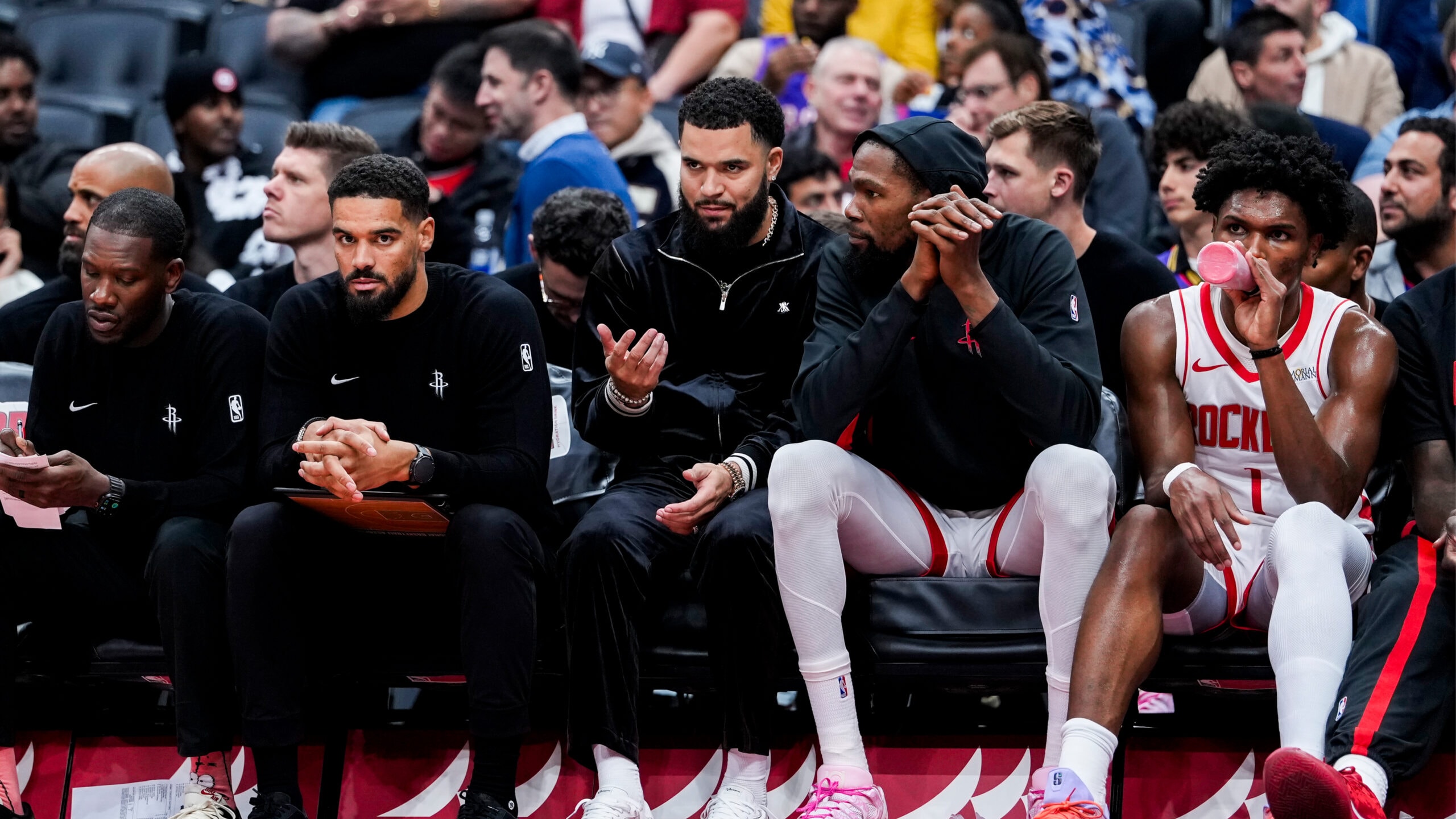
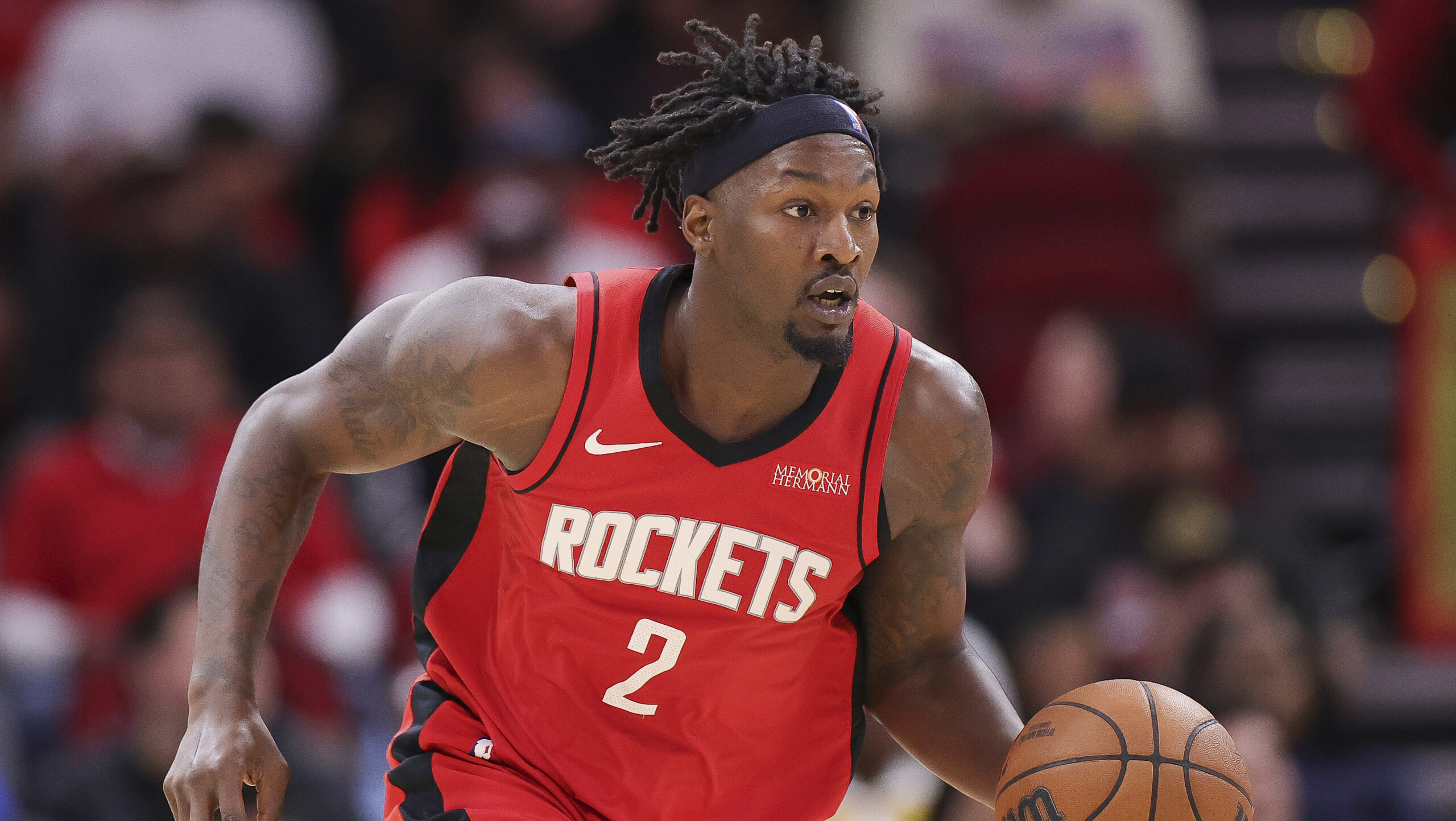
- Alperen Sengun, Houston Rockets — Career-high assists from the center spot with the turnovers that come attached wiped off the scoresheet. One of the best values in the format.
- Karl-Anthony Towns, New York Knicks — Almost nothing changed with the Knicks, so Towns’ role is secure. He’s a nightly 20-and-10 threat and showed improved playmaking in the postseason.
- Donovan Mitchell, Cleveland Cavaliers — Steady high-volume scoring, but Harden has the playmaking and the thin assist total costs more here.
- Kevin Durant, Houston Rockets — Remains one of the league’s elite scorers, though his efficiency doesn’t give you a boost on its own in High Score, making him less valuable.
- Jalen Brunson, New York Knicks — Usage leader on the league’s most stable offense, with the assists to match.
- Amen Thompson, Houston Rockets — Points, rebounds and assists in bulk, and the shooting splits that are his only flaw don’t exist in this format.
- Tyrese Haliburton, Indiana Pacers — An assist monster in an offense built entirely around him, and load management is close to a non-issue when a two-game week still produces one enormous score.
- Trae Young, Washington Wizards — Ten assists is 20 points before he scores, and the turnovers that always came with them are now free. A significant riser compared to standard points leagues.
- Jamal Murray, Denver Nuggets — Clear second engine on a high-possession offense coming off a career-best campaign.
- Devin Booker, Phoenix Suns — Phoenix’s primary creator and highest-usage player. His declining 3-point rate doesn’t matter in High Score.
- Austin Reaves, Los Angeles Lakers — A high-volume secondary creator with a green light and neither an efficiency nor a turnover tax.
- LaMelo Ball, Minnesota Timberwolves — Huge per-game production, a huge turnover rate and spotty availability. This format forgives two of those three.
Round 3
- Kawhi Leonard, Toronto Raptors — One of the best players in the NBA when available, and you only need one big night out of him for it to pay off in this format.
- Anthony Davis, Washington Wizards — Twenty games last year attached to a first-round per-game profile, which in a best-game format means the weeks he plays at all pay out nearly in full.
- Paolo Banchero, Orlando Magic — A high-usage forward with a high turnover rate that no longer costs him anything.
- Josh Giddey, Chicago Bulls — A nightly triple-double threat as the hub of the offense, with the assists worth double and the turnovers free.
- James Harden, Cleveland Cavaliers — A 20-and-10 threat with the assists worth double and the turnovers erased entirely. A riser in this format compared to other points formats.
- Domantas Sabonis, Sacramento Kings — Rebounds and assists in bulk from center, with usage returning now that Westbrook and DeRozan are gone.
- Jaylen Brown, Philadelphia 76ers — Won’t have the volume of touches he saw last season, but is still a better High Score player than category-league one.
- Chet Holmgren, Oklahoma City Thunder — His 3-and-D profile as a big man isn’t rewarded here like it is in category formats.
- Deni Avdija, Portland Trail Blazers — Scoring, rebounding and real playmaking from a forward; Morant and Lillard are the threat to the touches.
- Bam Adebayo, Miami Heat — The assist volume is what separates him from the other bigs in this range, and he’s one of the safest 30-minute bets at the position.
- Jalen Duren, Detroit Pistons — A nightly 20-and-10 threat whose game is still developing on both ends of the floor.
- Evan Mobley, Cleveland Cavaliers — A quiet 18/10/4 as Cleveland’s third option. Steady rather than explosive.
Round 4
- Stephen Curry, Golden State Warriors — 3-point-dependent value in a league with no 3-point category, at 38 years old.
- Julius Randle, Brooklyn Nets — Expected to lead Brooklyn in combined points, rebounds and assists – which makes him a buy in this format.
- Walker Kessler, Los Angeles Lakers — Rebounds and dunks off Luka Dončić passes with blocks. There should be plenty of big nights.
- Kon Knueppel, Charlotte Hornets — The upside is a 20-point scorer with more assists; the base case is efficient shooting, which scores nothing extra in High Score.
- Pascal Siakam, Indiana Pacers — A dependable well-rounded statline as Indiana’s clear No. 2 option.
- LeBron James, Philadelphia 76ers — The per-minute output is absurd and the assists are the most rewarded part of it, so a 28-minute role or a night off costs you far less than the draft price assumes.
- Brandon Miller, Charlotte Hornets — Charlotte’s most likely usage winner post-LaMelo, with adequate secondary stats.
- Jalen Williams, Oklahoma City Thunder — A healthy 20-point wing with balanced production, though he gains more in category formats.
- Stephon Castle, San Antonio Spurs — His two flaws are shooting efficiency and turnovers, and High Score charges for neither. One of the format’s best buys.
- Joel Embiid, Philadelphia 76ers — An elite producer when he plays, and this is the only format where a 40-game season is close to fine. Draft the upside swing — the rules absorb it.
- Darius Garland, Los Angeles Clippers — Should have plenty of 20-and-10 nights as the Clippers’ primary playmaker.
- Donovan Clingan, Portland Trail Blazers — Averaged a double-double in 27 minutes; the frontcourt is his to claim.
Round 5
- Trey Murphy III, New Orleans Pelicans — An efficient high-volume shooter with modest rebounds and assists, and Dejounte Murray’s return trims the usage.
- Derrick White, Boston Celtics — Solid all-around, but the low turnover rate is no longer an edge and there are fewer shots with Jayson Tatum back and Paul George added.
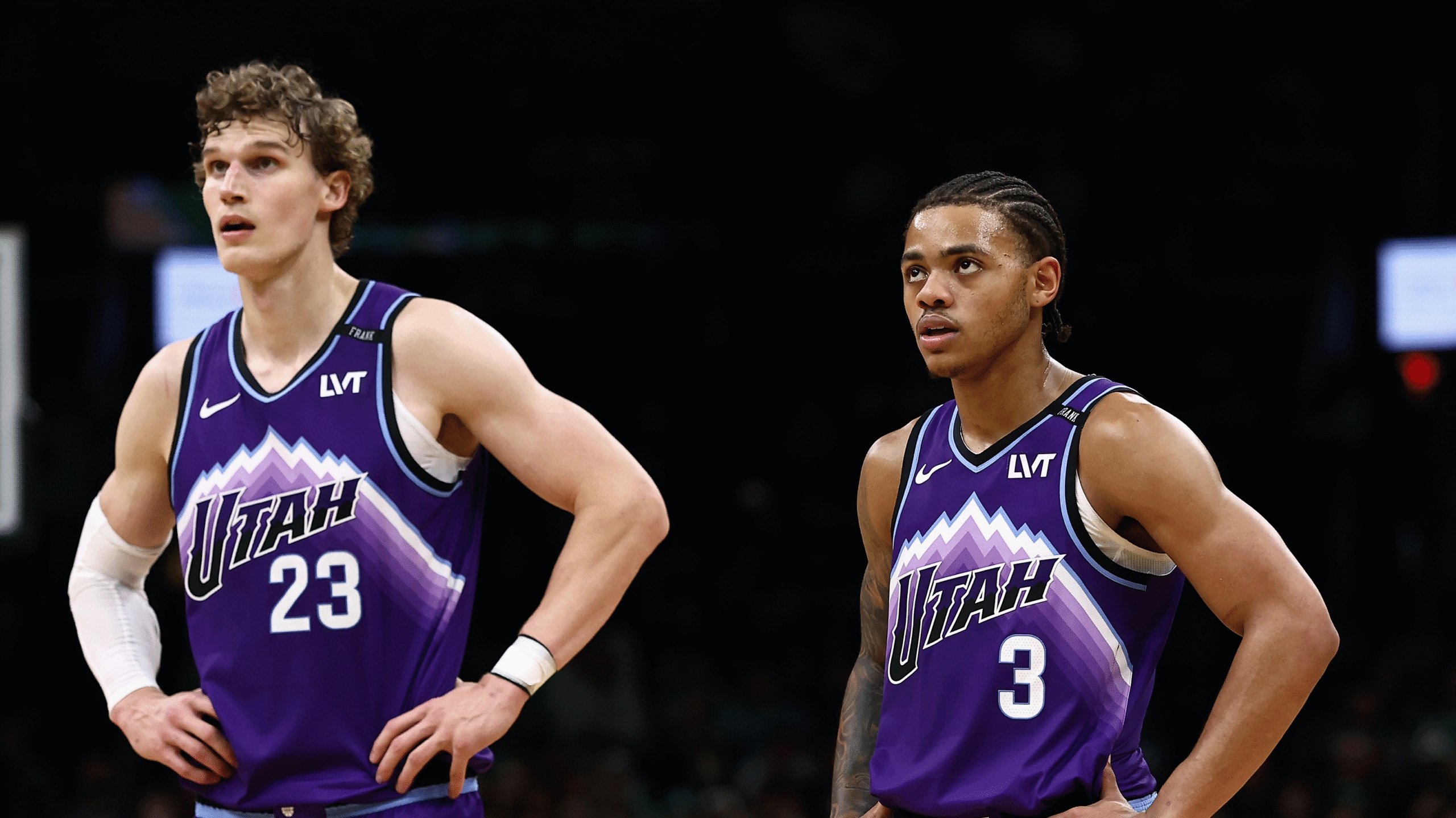
- Lauri Markkanen, Utah Jazz — Scoring and rebounding with very little playmaking, on a roster that just added mouths to feed.
- Kyrie Irving, Dallas Mavericks — The clean efficiency and league-best turnover rate that make him a standout elsewhere are worth nothing here.
- Cameron Boozer, Memphis Grizzlies — Immediate minutes and playmaking responsibility, and rookie mistakes don’t cost you here.
- Franz Wagner, Orlando Magic — A balanced offensive line that’s secure behind Banchero, and two injury-shortened seasons aren’t as scary in High Score.
- Matas Buzelis, Chicago Bulls — Led every Bull not named Giddey in counting stats in under 30 minutes.
- Jaren Jackson Jr., Utah Jazz — Utah’s crowded depth chart is the ceiling problem.
- Onyeka Okongwu, Atlanta Hawks — A double-double baseline on 32 minutes a night.
- Ivica Zubac, Indiana Pacers — Bounce-back candidate with Haliburton feeding him easy interior looks.
- Tyler Herro, Milwaukee Bucks — The first true lead-playmaking role of his career, and the injury history that always capped him is much cheaper to carry here.
- De’Aaron Fox, San Antonio Spurs — Castle and Harper ate into the usage, but a healthy Fox is still a 22-and-6 guard.
Round 6
- Brandon Ingram, Los Angeles Clippers — A 20/5/5 forward in the clear top two of his offense who typically slips due to injury history, but that matters less in High Score.
- Keyonte George, Utah Jazz — All-Star-level production in a limited sample, but Darryn Peterson, Jaren Jackson and Lauri Markkanen all need touches.
- Dejounte Murray, New Orleans Pelicans — Points, assists and steals in bulk when right, though it remains unclear exactly how much his minutes and usage will be pushed.
- Desmond Bane, Orlando Magic — Safe as Orlando’s No. 3 option, thin outside of scoring and some light supplementary stats.
- Zach Edey, Memphis Grizzlies — Excellent per-minute rebounding and scoring. Some managers are concerned about recurring ankle injuries, but that matters less here.
- Damian Lillard, Portland Trail Blazers — Even a diminished Lillard produces points and assists at volume, and a year off an Achilles is a much smaller weekly problem than a seasonal one.
- Dyson Daniels, Atlanta Hawks — A low-usage wing with a well-rounded line and little playmaking volume to lean on.
- Nickeil Alexander-Walker, Atlanta Hawks — A 3-and-D profile with little volume to accumulate.
- Zion Williamson, New Orleans Pelicans — A volume scorer with rebounds and assists chipped in, and the availability discount that defines his price mostly evaporates here.
- Ryan Rollins, Milwaukee Bucks — Coming off a breakout campaign, but Milwaukee’s backcourt logjam makes his role less clear than managers would like it to be.
- Coby White, Charlotte Hornets — Now the unambiguous starting point guard, and the injury-hit final season in Chicago overstates the risk.
- Michael Porter Jr., Brooklyn Nets — Punished by High Score settings that don’t inherently reward efficiency and 3-point volume.
Round 7
- Kel’el Ware, Milwaukee Bucks — He just needs the minutes, and a rebuilding Milwaukee will probably supply them.
- Naz Reid, Charlotte Hornets — Past 30 minutes for the first time, with scoring, rebounding and a bit of playmaking.
- OG Anunoby, New York Knicks — A secure role, though his 3-and-D profile doesn’t provide as much fantasy potential in High Score.
- Rudy Gobert, Minnesota Timberwolves — A clean bill of health despite his age and a walking double-double.
- Derik Queen, New Orleans Pelicans — Eighty-one games as a rookie with a complete game built for fantasy basketball. Minutes and his role are question marks, but in High Score, the upside drives value.
- Payton Pritchard, Boston Celtics — 3-point-driven value facing a clear step back in volume.
- Ja Morant, Portland Trail Blazers — Elite per-game scoring and assists, a high turnover rate and a bad availability record — and High Score waves off two of the three.
- Paul George, Boston Celtics — Fifty-six or fewer games in six of seven seasons is a far smaller problem here than his price suggests.
- Caleb Wilson, Chicago Bulls — A starting rookie on a team with minutes to hand out, and neither his efficiency nor his turnovers will be held against him. Defensive upside drives value.
- AJ Dybantsa, Washington Wizards — The self-creation translates directly and the shaky jumper costs nothing; usage competition with Young and Davis is the catch.
- Ausar Thompson, Detroit Pistons — Rebounding, steals and transition scoring, with poor shooting that costs him almost nothing. The biggest hurdle is getting to 30 minutes per game.
- Jaden McDaniels, Minnesota Timberwolves — An improving self-creator whose looks should get easier with LaMelo running the offense.
Round 8
- Jarrett Allen, Cleveland Cavaliers — Reliable floor, limited ceiling, eroding minutes. A poor fit for a peaks format.
- Dylan Harper, San Antonio Spurs — A second-year jump looks likely; San Antonio’s backcourt logjam is the obstacle.
- VJ Edgecombe, Philadelphia 76ers — Minutes are secure; a sophomore leap in touches isn’t.
- Darryn Peterson, Utah Jazz — A promising rookie shooting guard, though he’ll have to fight for touches in a revamped Jazz offense.
- Ty Jerome, Memphis Grizzlies — Career-high per-game production in 15 healthy games, and a format that only counts the healthy weeks is the right home for that bet.
- Kristaps Porziņģis, Golden State Warriors — He demolishes this price on a per-game basis, and clearing 65 games twice in a career isn’t as much of a concern in High Score.
- Miles Bridges, Phoenix Suns — Modest role, secure minutes, third in line behind Booker and Green.
- Nic Claxton, Chicago Bulls — Rebounds and lobs from Giddey, on a team that acquired him specifically to play him.
- Alex Sarr, Washington Wizards — Still a starter, but Davis and Dybantsa reshaped the roster around him.
- Norman Powell, Chicago Bulls — Two straight 20-point seasons and almost nothing else on the sheet.
- Day’Ron Sharpe, Brooklyn Nets — Elite rebounding rate and expanding offensive game. The per-minute production has always been there, and now he’s expected to start.
- Cedric Coward, Memphis Grizzlies — Sophomore breakout candidate with more minutes coming on a young roster.
Round 9
- Josh Hart, New York Knicks — Rebounds and assists from a wing is a good shape, but the minutes dipped and New York’s rotation is set.
- Jalen Green, Phoenix Suns — He scores in bursts without much else, and bursts are precisely what gets counted.
- RJ Barrett, Toronto Raptors — A nightly 20 points with some supplementary stats, making him a solid pick in points leagues.
- CJ McCollum, Atlanta Hawks — Steady, defined role. Atlanta’s No. 2 option behind Jalen Johnson.
- Andrew Wiggins, Miami Heat — Third scoring option behind Antetokounmpo and Adebayo.
- Jaime Jaquez Jr., Milwaukee Bucks — Inside track on forward minutes in a wide-open rotation.
- Darius Acuff Jr., Sacramento Kings — A rookie starting point guard means high assists and high turnovers, and only one of those appears on the scoresheet.
- Immanuel Quickley, Toronto Raptors — Threes and free-throw shooting are the value, and Toronto’s roster is crowded. He doesn’t pay off here compared to category formats.
- Mikal Bridges, New York Knicks — The most durable player in basketball, which is worth real money over 82 games of accumulation, but less when only his pop performances count.
- Myles Turner, Milwaukee Bucks — A rough first year in Milwaukee and an unsettled roster make him hard to trust, and his stats come out better in category formats.
- Isaiah Hartenstein, Oklahoma City Thunder — Rebounds, assists and efficient interior scoring. Minutes and his role are capped.
- Ayo Dosunmu, Minnesota Timberwolves — Should approach 30 minutes every game, and provides a well-rounded stat profile.
Round 10
- Brandin Podziemski, Golden State Warriors — Rebounds and assists from a guard make him more useful than his scoring average suggests.
- Yaxel Lendeborg, Golden State Warriors — Speculative, but there’s a starting job available.
- Ajay Mitchell, Oklahoma City Thunder — Sixth Man candidate with starter upside after OKC’s wing exodus.
- Fred VanVleet, Houston Rockets — The assist volume drives his upside, though he probably won’t have as big of a role compared to years past.
- Zach LaVine, Sacramento Kings — Heavy usage on a rebuilding team, and the 108 missed games in three years scare drafters more than they should in this format.
- Jabari Smith Jr., Houston Rockets — High floor, low ceiling, and few shots left behind Durant, Sengun, Thompson and VanVleet.
- DeMar DeRozan, Denver Nuggets — Could approach 30 minutes per game as a sixth man for Denver with upside for scoring outbursts and solid complementary stats.
- Neemias Queta, Boston Celtics — Double-double threat now sharing the position with Mitchell Robinson.
- Khaman Maluach, Phoenix Suns — A double-double with two blocks is the upside case with Mark Williams out.
- Jeremiah Fears, New Orleans Pelicans — Very high usage in his minutes, though his role isn’t clear cut.
- Jalen Suggs, Orlando Magic — The health question matters less in this format, though so does his 3-and-D profile.
- Peyton Watson, Cleveland Cavaliers — First clear path to a full-time starting job, though usage will be hard to come by.
Round 11
- Ace Bailey, Utah Jazz — Rounded into form late in his rookie year, but his role on the re-tooled Jazz is far from obvious.
- Collin Murray-Boyles, Toronto Raptors — Versatile production across the board, with an open question about minutes.
- Jusuf Nurkić, Utah Jazz — Rebounds and assists from the center spot is a solid late-round shape even with modest scoring.
- Kevin Porter Jr., Milwaukee Bucks — Career-best numbers in 38 games, but Milwaukee added Herro and Burries, making Porter’s role murky.
- Keegan Murray, Sacramento Kings — Twenty-three games last year, but improved health on a rebuilding squad means usage should be available.
- John Collins, Detroit Pistons — More minutes and touches replacing Tobias Harris than he had with the Clippers.
- Aaron Gordon, Denver Nuggets — Safe role and good chemistry with Jokić and Murray, and the injuries don’t cost much here.
- Cameron Johnson, Denver Nuggets — His counting stats collapsed in Denver while the shooting held up, which is the wrong half to keep in High Score.
- Reed Sheppard, Houston Rockets — The path to minutes narrowed with Marcus Smart added and Fred VanVleet back.
- Kyshawn George, Washington Wizards — Real Year 2 improvement into a much busier roster.
- Davion Mitchell, Miami Heat — The tiny turnover rate that carried his case is worth nothing in High Score; what’s left is assists and a safe role.
- Anthony Black, Orlando Magic — With Orlando healthy, the minutes and touches aren’t obviously there.
Round 12
- Cason Wallace, Oklahoma City Thunder — A thin offensive profile, though more minutes are expected, and Wallace can rack up steals in bunches.
- Jrue Holiday, Portland Trail Blazers — The all-around line is respectable, but the offensive workload is shrinking behind Morant and Lillard.
- Sandro Mamukelashvili, Los Angeles Lakers — Strong per-minute player with sixth-man upside behind a thin Lakers frontcourt.
- Toumani Camara, Portland Trail Blazers — Minutes are the only real draw.
- P.J. Washington, Dallas Mavericks — Mid-teens scoring and seven rebounds, with a busy frontcourt as the downside risk.
- Egor Dëmin, Brooklyn Nets — Fourth in line behind Mikel Brown Jr., Randle and Porter, though should still have the opportunity for some big performances.
- Christian Braun, Denver Nuggets — Thirty-plus minutes, but last year’s across-the-board regression makes him hard to project.
- Devin Vassell, San Antonio Spurs — Declining usage on a rising team with no three-point bonus to fall back on.
- Andrew Nembhard, Indiana Pacers — His 16.9 points and 7.7 assists with Haliburton out is a ceiling, not a baseline — but ceilings are what this format rewards.
- Saddiq Bey, New Orleans Pelicans — A long line of players competing for the same possessions.
- Mikel Brown Jr., Brooklyn Nets — A rookie starting point guard on a bad team will pile up assists, and nobody is charging him for the turnovers.
- Bennedict Mathurin, New Orleans Pelicans — Scoring punch off the bench.
Round 13
- Quentin Grimes, Los Angeles Lakers — A release valve for Dončić and Reaves, competing for the third-option role.
- Collin Gillespie, Phoenix Suns — Three-point value that doesn’t translate, likely off the bench once Phoenix is healthy.
- Tari Eason, Houston Rockets — One of the better per-minute producers in the league, trapped in a deep rotation.
- Jakob Poeltl, Toronto Raptors — Field-goal percentage was his standout stat last year, and it’s worth nothing here.
- Grayson Allen, Charlotte Hornets — Could see sixth-man minutes and usage for Charlotte.
- Maxime Raynaud, Sacramento Kings — Stuck behind a healthy Sabonis, which caps everything.