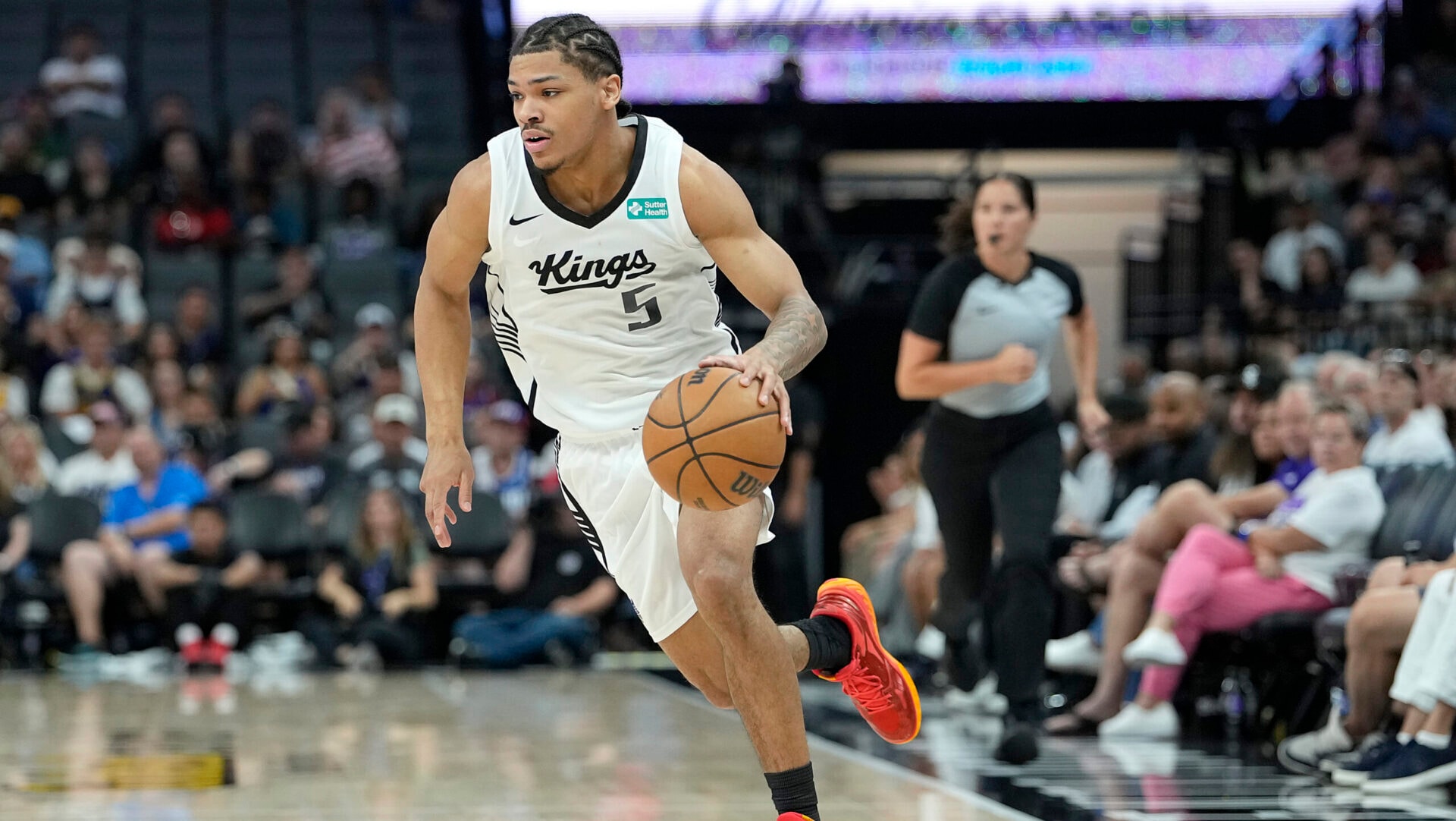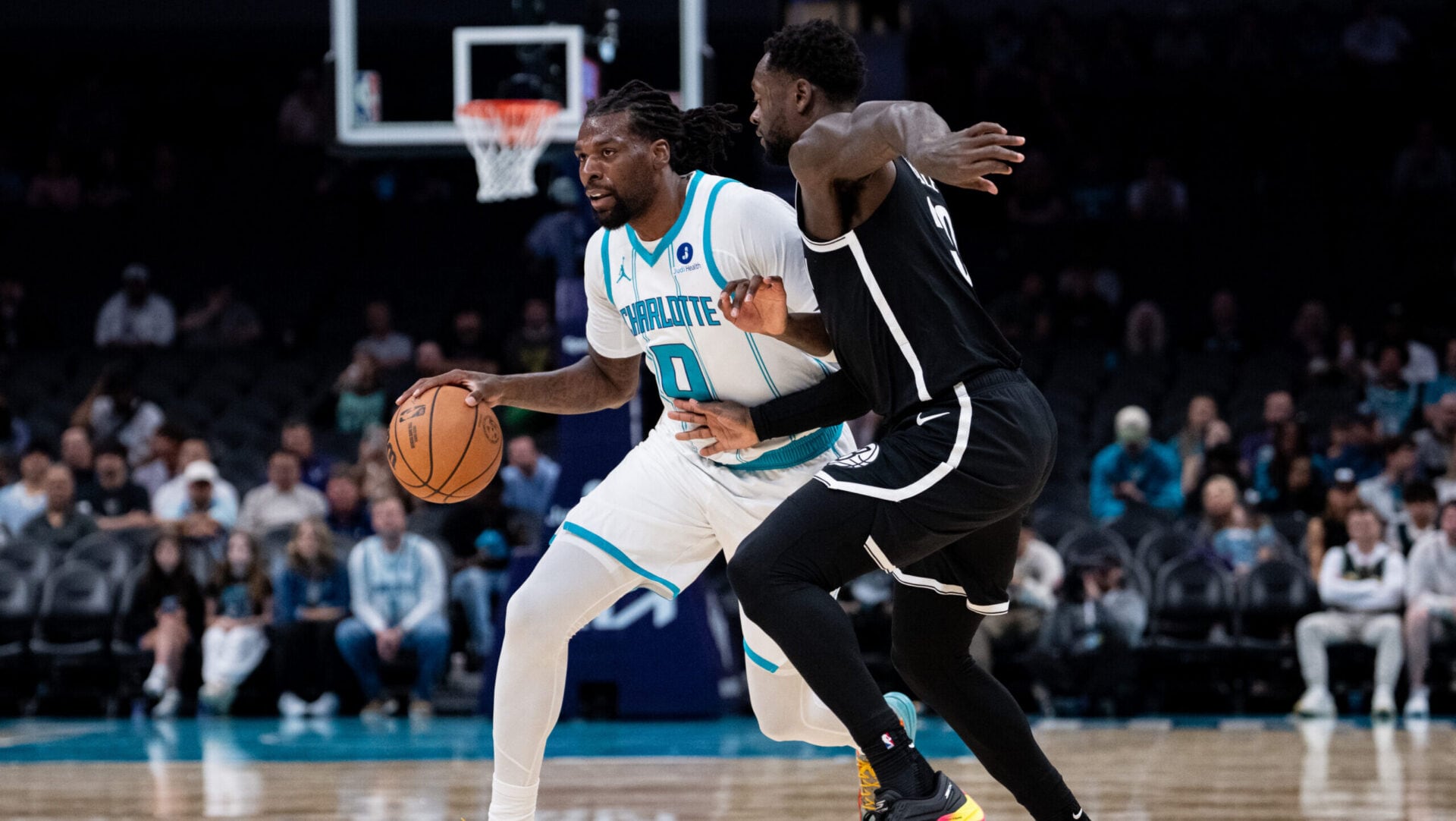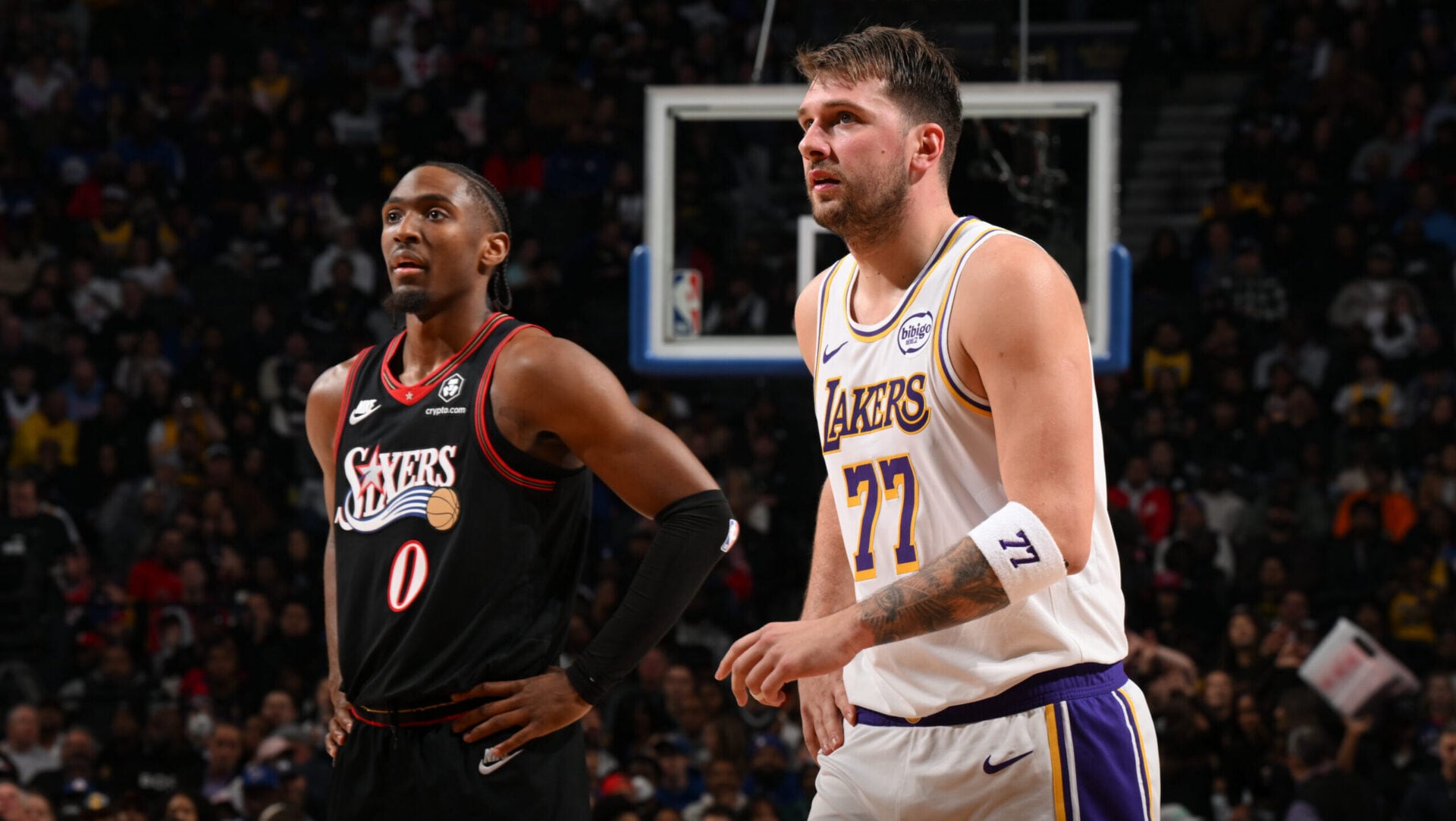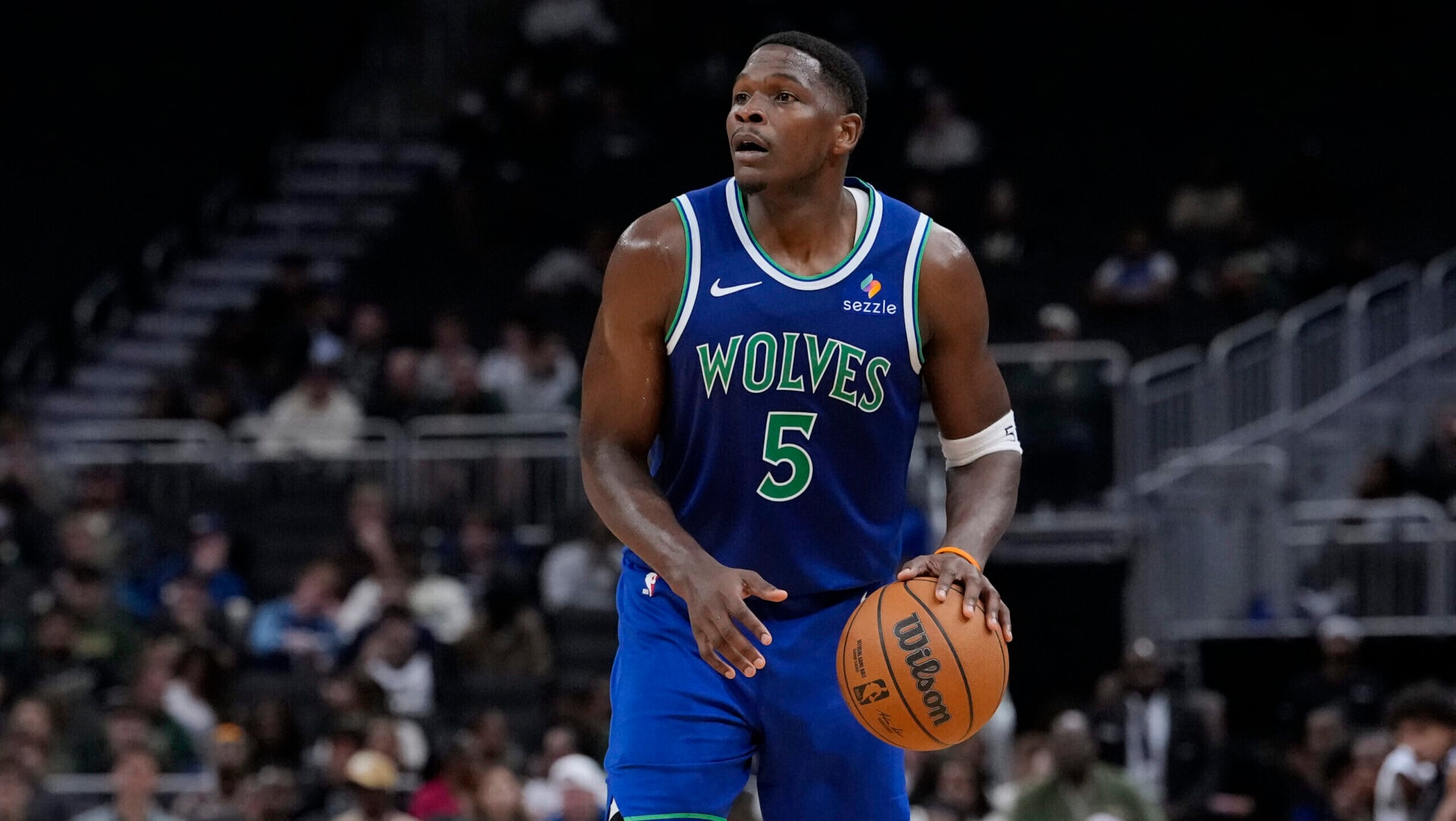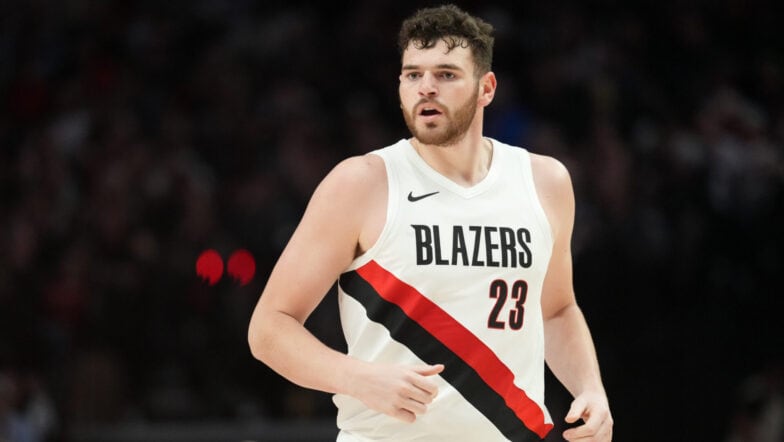
A third-year breakout could be coming for Donovan Clingan with extra minutes available in Portland.
The center position enters the 2026-27 fantasy basketball season deeper than it has been in years, but the real value still sits at the top with Nikola Jokić and Victor Wembanyama. In this fantasy basketball draft guide, we break down the center rankings landscape, the injury risks hanging over big men like Joel Embiid, and how to build your draft strategy around rebounds, blocks and field-goal percentage. We also highlight the top sleepers, breakout candidates and fades, from Nic Claxton and Walker Kessler to Bam Adebayo and Neemias Queta, so you can find the best centers at every draft price.
Positional Outlook
Jokić and Wembanyama are the consensus first two picks in nearly every format. Jokić remains the most reliable big-man option in the game even after playing a modest 65 games last season, while Wembanyama is a generational player with virtually no ceiling.
Below the duo at the top, we see several examples of how the position has changed over the years. Alperen Sengun is a point-center coming off career highs in assists, blocks and 3s. Chet Holmgren pairs 3s with blocks in a way almost no one else can, and Karl-Anthony Towns is a top-tier, multi-category producer. Sacrificing categories usually reserved for guards or small forwards isn’t a thing any longer. There are several mid-tier centers out there who can provide much more than the conventional double-double.
An unavoidable topic when discussing the position is injury, which hangs over this position more than any other. Big bodies absorb more contact, and the list of centers carrying real durability questions is long. Embiid has played 57 of 164 regular season games over the past two seasons. Kessler managed five games last year before shoulder surgery. Mark Williams played 19 and 44 games in his final two seasons in Charlotte, and Dallas spent last year juggling injuries to both Dereck Lively II and Daniel Gafford. That fragility shapes draft strategy. Missed games hit centers twice as hard because the categories they anchor, rebounds, blocks and field-goal percentage, are hard to replace off the waiver wire. It also makes second-unit guys more valuable than usual, since a backup center taking over a starting role will have an easier time absorbing rebounds, much faster than a replacement guard’s suite of specialty categories.
Draft advice: If you miss out on Wembanyama or Jokić, you can afford to wait at center, but don’t wait too long. The inevitable run on centers could happen at any time, and you don’t want to find yourself depending on power forwards to shoulder the load. My mantra for basketball drafts is size, speed and opportunity. Size is easier to quantify, and I’ve won leagues by bypassing guards and opting for a big man lower in the overall rankings. Some might call it a reach — I call it sound draft strategy.
Sleepers
Nic Claxton, Chicago Bulls
Claxton gets overlooked because he’s no longer a new name, but Chicago traded for him precisely because it had a glaring hole at center. Last season, he posted 11.7 points, 6.9 rebounds, 3.7 assists and 1.1 blocks on 57% shooting. However, a few obstacles stand in Claxton’s way. He is dealing with a hamstring injury, and although he is expected to be ready for the opener, hamstring injuries are notorious for setbacks on the road to recovery. The Bulls also found a decent placeholder at the position last season in Jalen Smith, and it’s one reason the Claxton deal confused some. Add the presence of draft darling Caleb Wilson, and you have a more complicated situation on paper. Despite those issues, I believe Claxton has the talent to rise to the moment, and Wilson’s presence at the 4 should aid him, not hurt him.
Day’Ron Sharpe, Brooklyn Nets
The Claxton trade hands Sharpe a starting job in Brooklyn. Over the past two seasons, he averaged 8.4 points, 6.6 rebounds and 2.1 assists in just 18.5 minutes, and surprisingly also has the highest career offensive rebounding rate in NBA history. He’ll log starter’s minutes on a rebuilding team, which indicates double-double potential at a discount. Like Claxton, Sharpe’s road to greatness has some bumps in the road. Moritz Wagner will take some frontcourt minutes, and Sharpe has a thumb injury that could still be an issue.
Breakouts
Walker Kessler, Los Angeles Lakers
Kessler is an obvious add in this category. He played only five games last season before shoulder surgery, but in that stretch he averaged 14.4 points, 10.8 rebounds, and 1.8 blocks on 70% shooting for the Jazz. Add Luka Dončić to the recipe, and you’ve got a plum situation for a guy who hasn’t even begun to scratch his potential.
Kel’el Ware, Milwaukee Bucks
Why Ware? Youth is the name of the game in Milwaukee now, and Myles Turner doesn’t fit that equation. At 22, Ware is a 7-footer with great per-minute production, and although inconsistent effort has cost him minutes before, there’s tremendous upside if he can get his act together.
Donovan Clingan, Trail Blazers
One could argue that Clingan’s breakout came last season, playing 77 games and averaging 12.1 points, 11.6 rebounds, 2.1 assists and 1.7 blocks in 27.2 minutes. This is the year that he really emerges as a top-tier center. The starting job is uncontested, so the path to 30-plus minutes is well within reach. Nightly double-doubles are feasible, and he’ll still be at an ADP that’s easy to swallow.