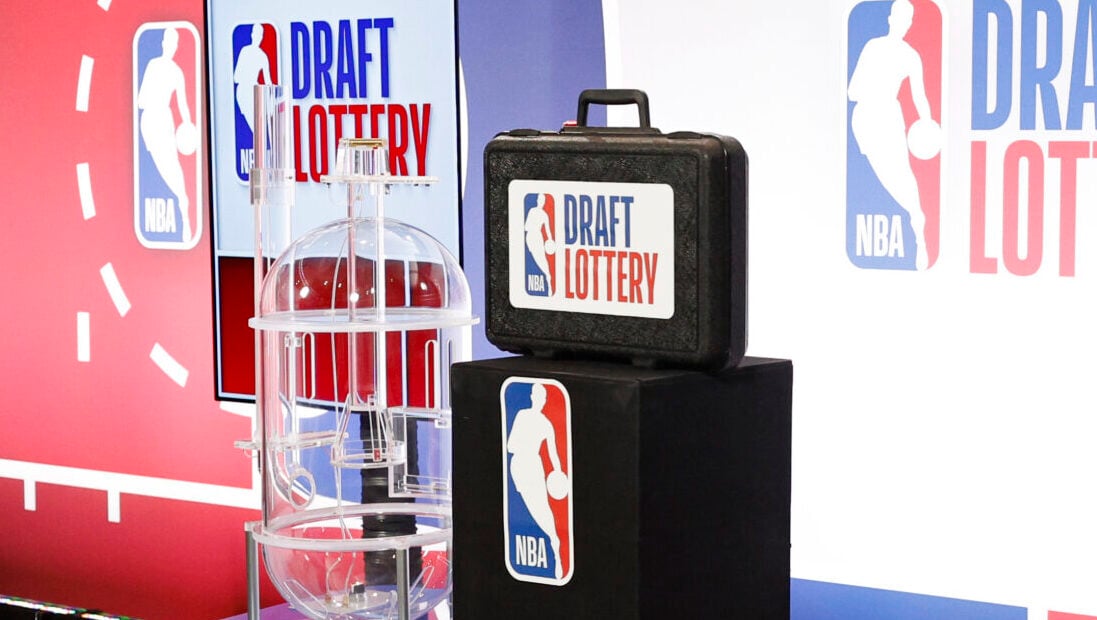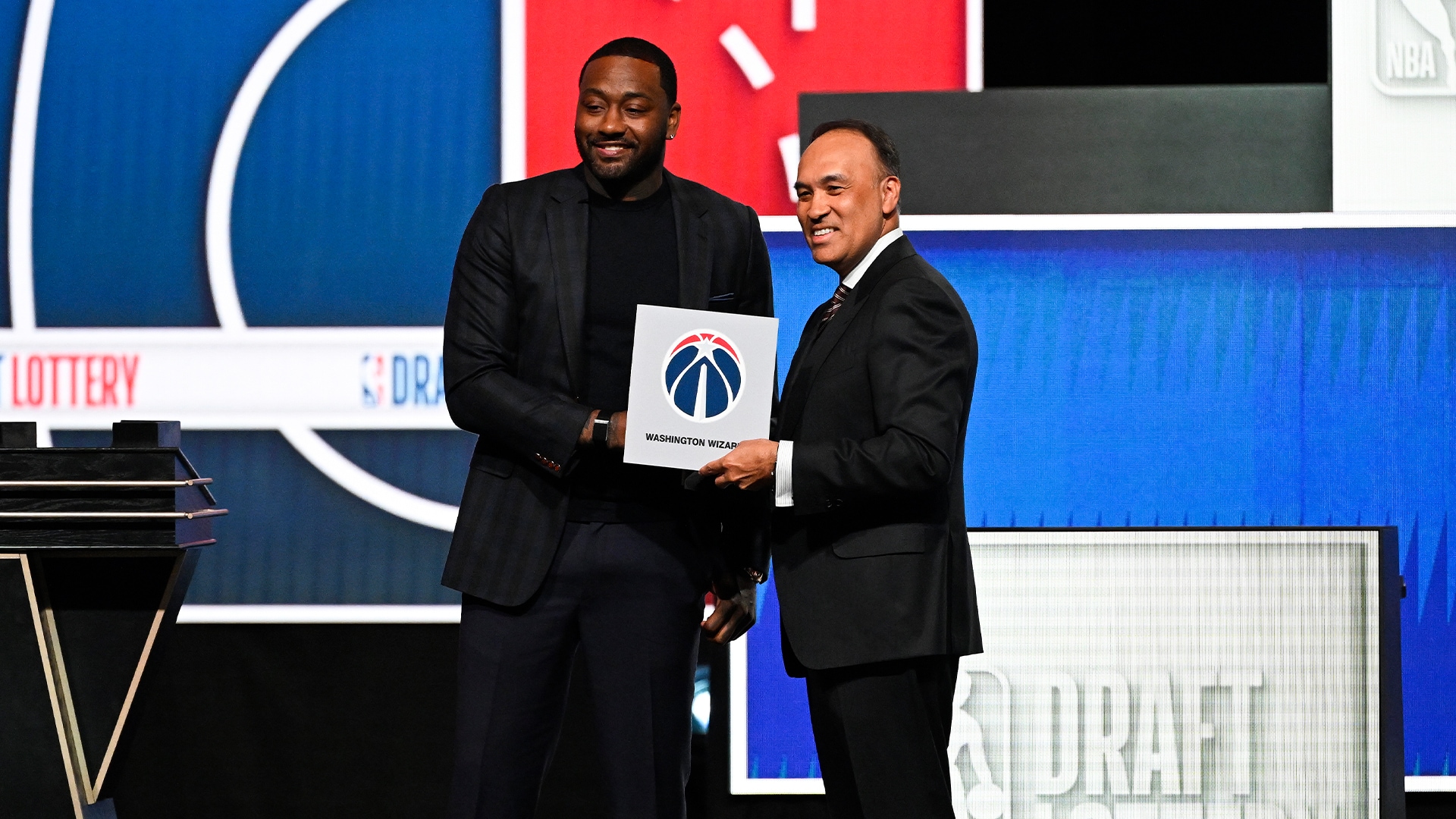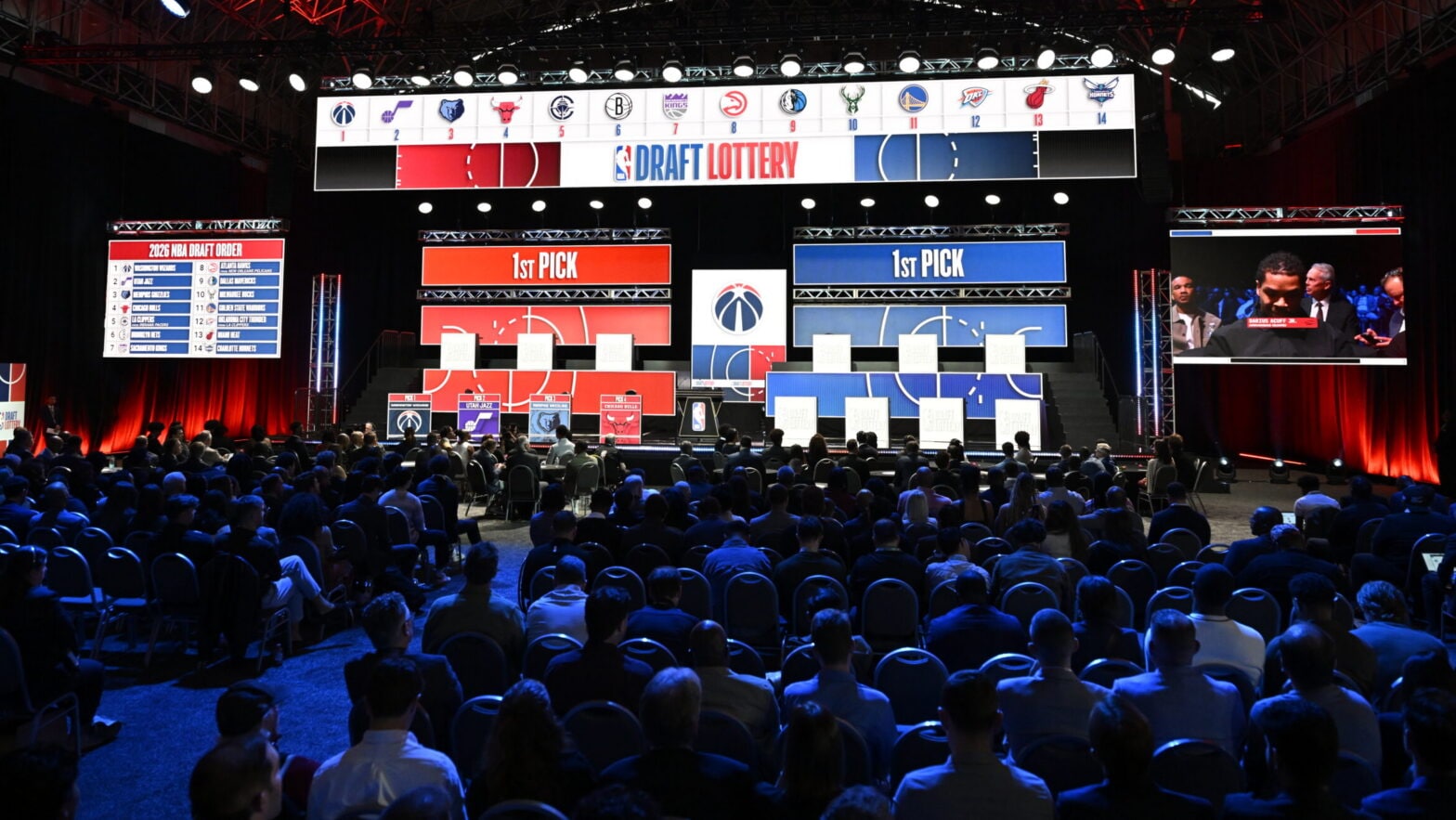
In the beginning, tails failed.
Detroit player-coach Dave DeBusschere called “tails” at the very first version of the draft lottery in 1966, which was a coin flip between the Pistons and the New York Knicks – the worst teams in the Eastern and Western Divisions that season.
And no, it wasn’t even called the “draft lottery” in those days, since it wasn’t a lottery.
Pistons owner Fred Zollner even provided the coin, a $20 gold piece from 1907. The value of the gold today would be about $4,200. (There was no social media then; imagine the outrage if a team arrived at the lottery now toting its own ping-pong balls.)
The Knicks won that 1966 flip and chose Cazzie Russell with the No. 1 pick. The coin flip remained in place through 1984, with the two worst teams letting “heads” or “tails” decide who got the No. 1 selection.
The lottery has been changed many times since that first coin flip, including Thursday with the introduction of a bigger-than-ever, 16-team lottery designed to flatten odds of winning the No. 1 pick and discourage tanking.
A brief history of the versions of the lottery:
1985-1989: Seven (or nine) teams, equal odds
The envelope era was how the draft lottery started, with seven teams all having the same odds of having their envelope selected and winning the No. 1 pick. This grew to nine teams when Miami and Charlotte were added to the 1989 lottery.
The lottery originally established picks 1 through 7 in the draft, then the rules were changed in 1986 to have the lottery determine only the order of the first three selections.
1990: The weighted lottery era begins
In October 1989, the Board of Governors decided to expand the lottery to 11 teams (in part because the league was expanding) and do weighted odds based on where a team finished in the standings.
1994: New odds
For the 1994 lottery and beyond, the team with the worst record would have a 25% chance of winning the rights to choose No. 1, up from 16.7% in the previous format.
That largely remained the case through 2019, with some tweaks along the way – such as growth to a 13-team lottery after more expansion, and then a 14-team lottery in 2004 when the Charlotte Bobcats were added to the league.
2019: Another odds revision
In September 2017, the Board of Governors changed the odds considerably, giving the teams with the three worst records matching 14% odds of winning the No. 1 pick. The lottery drawings grew as well and began determining the order of the first four picks.
2027: Expanded lottery, flattened odds
The “3-2-1 Lottery” goes into effect for 2027 and expands the event to 16 teams, flattens odds of winning the No. 1 pick and will try to deter teams from tanking – losing in order to help draft odds – by lowering lottery chances for teams that have the worst records.
They can still win the lottery, but they’ll have to buck odds to do so. The three worst teams will have 5.4% odds of winning, while teams that finish with the fourth- through 10th-worst records will all have 8.1% chances of winning.
Teams will get somewhere between one and three lottery balls, depending on where they are in the standings.