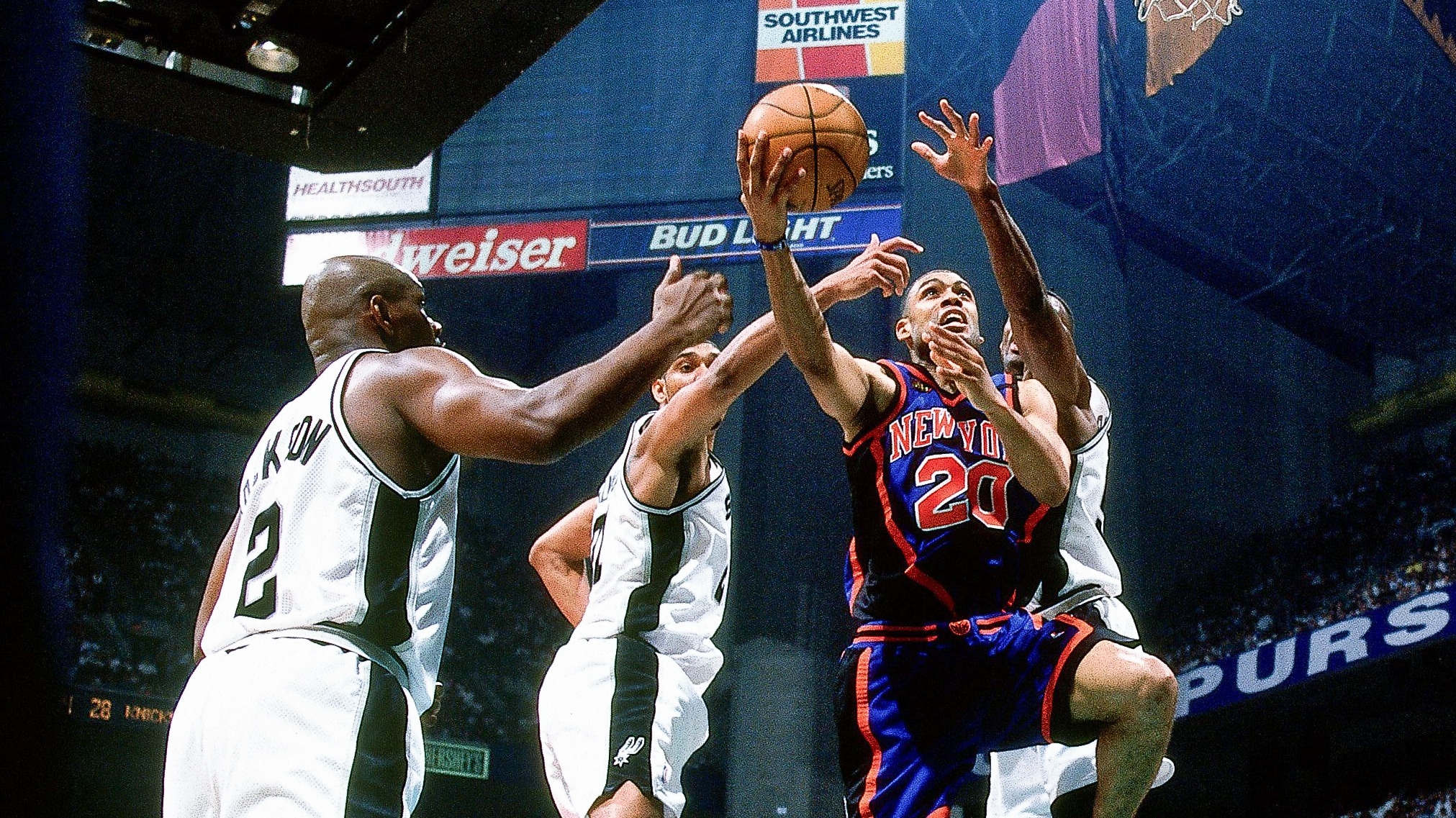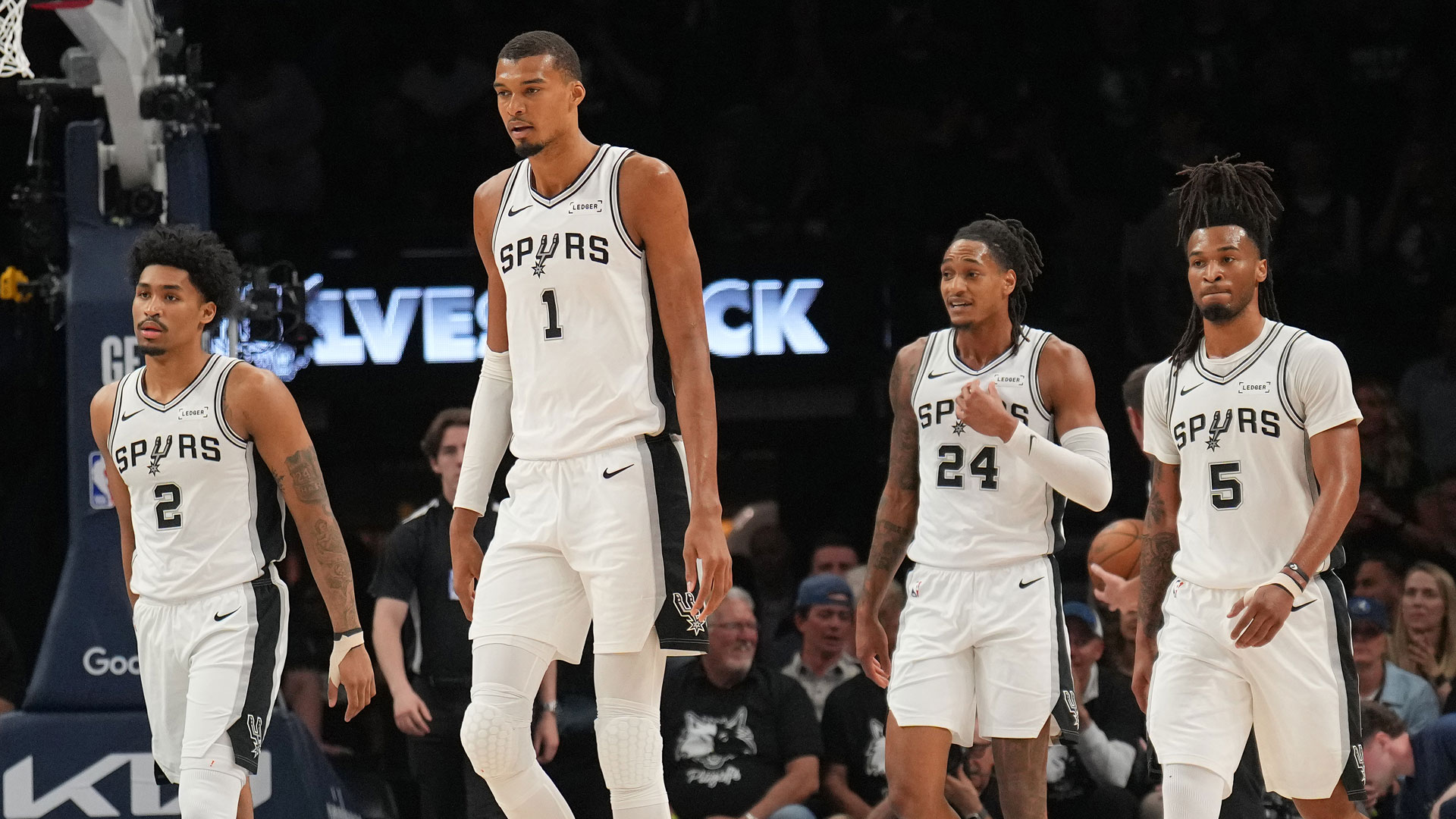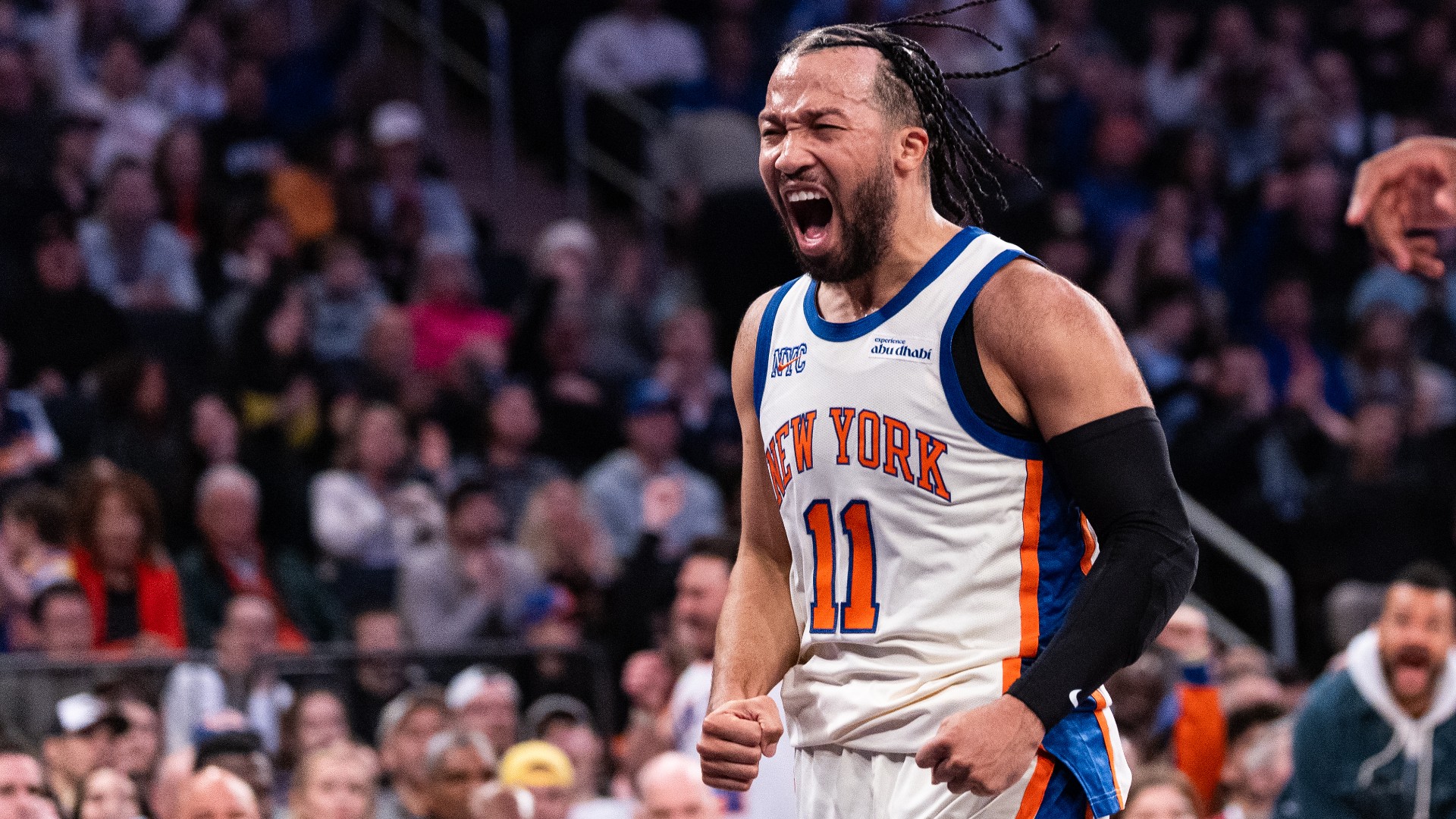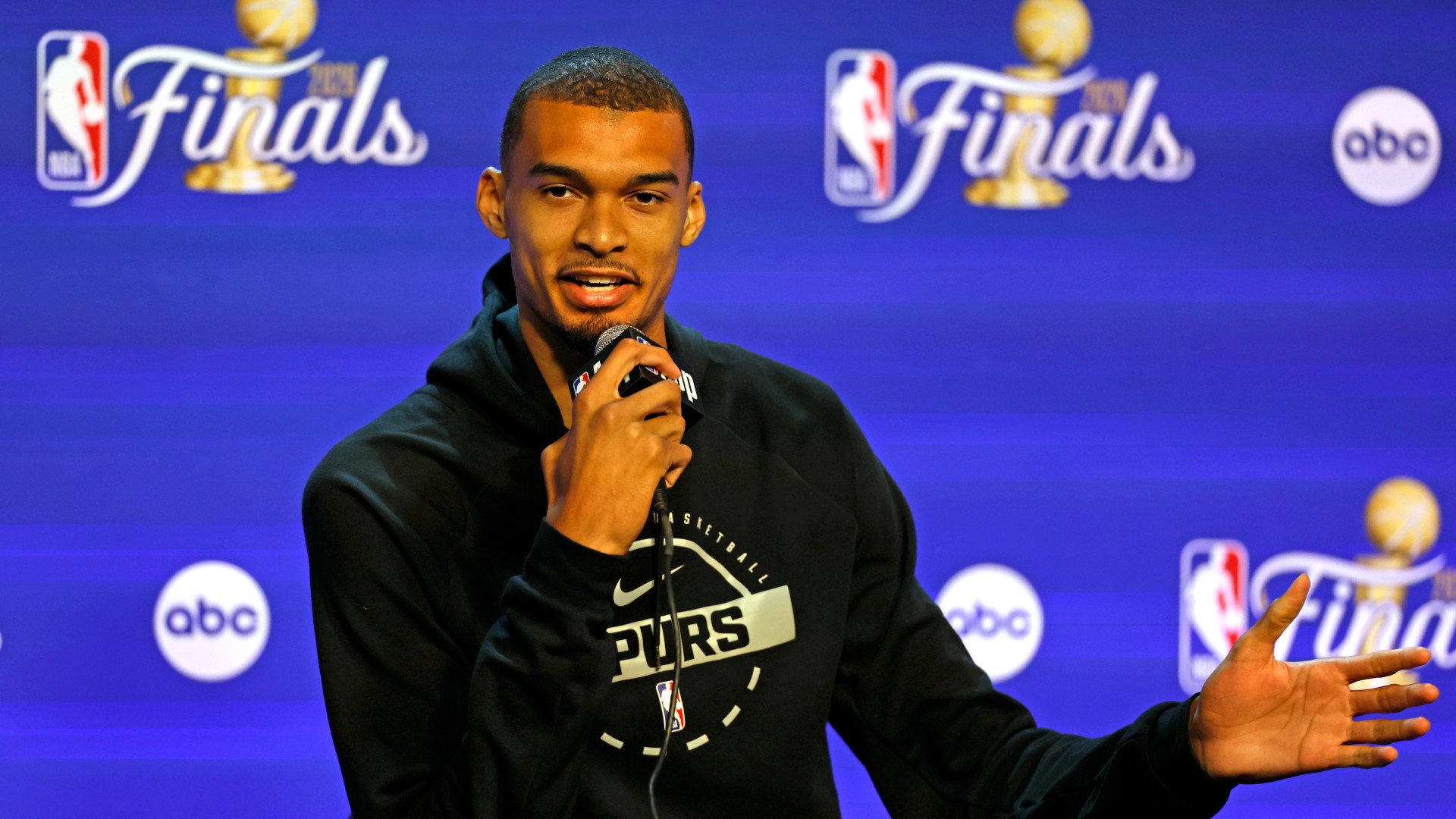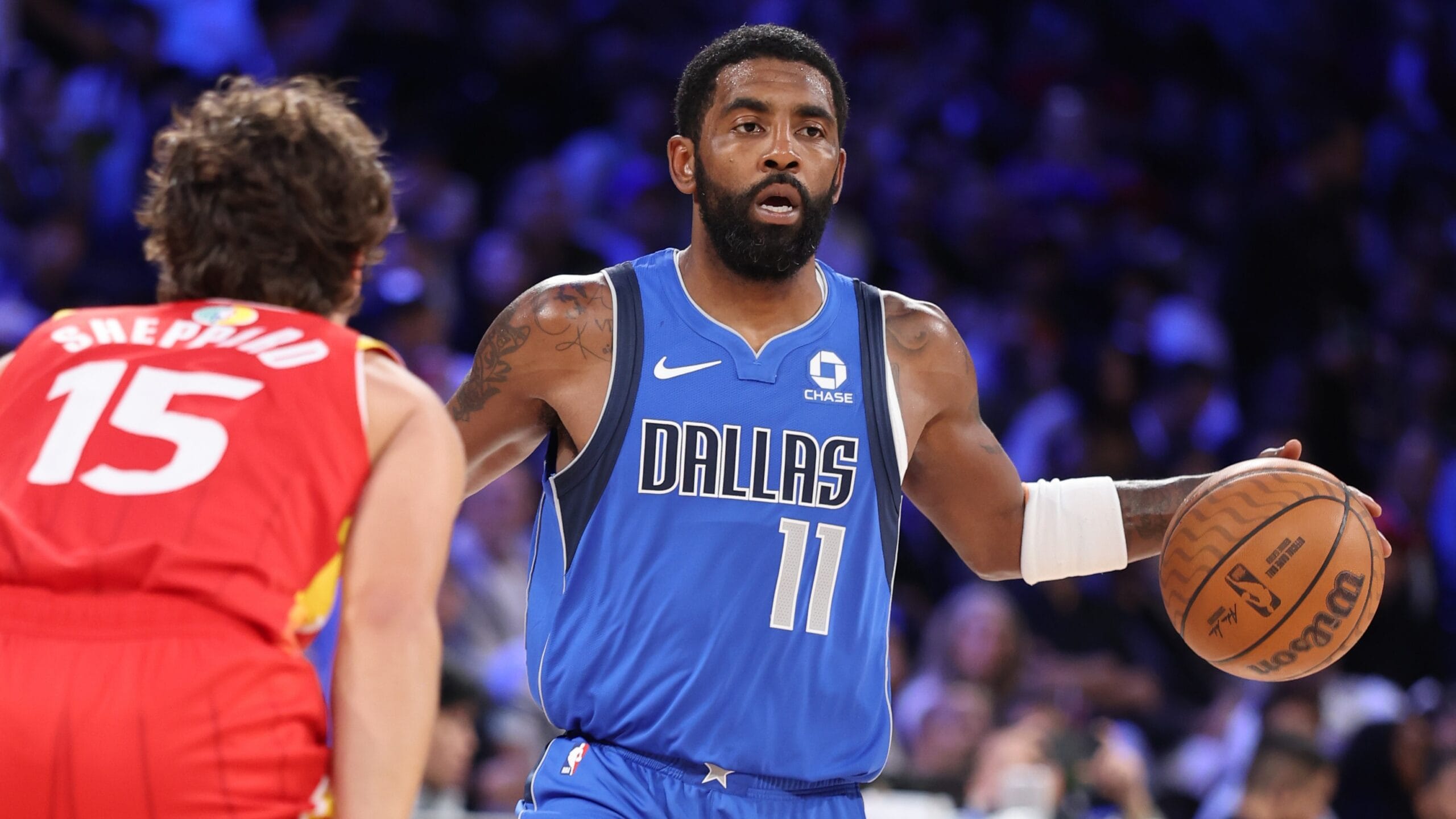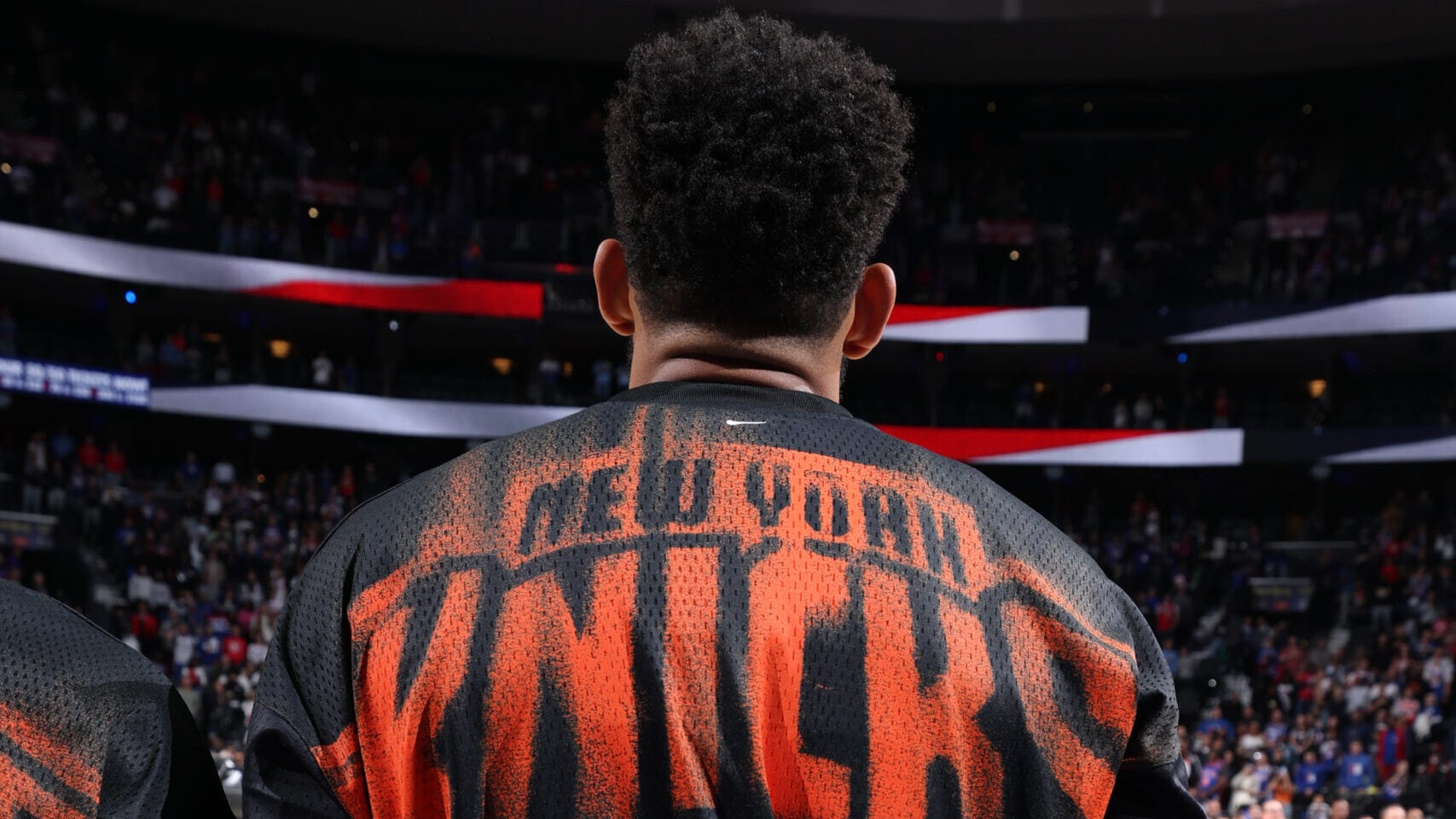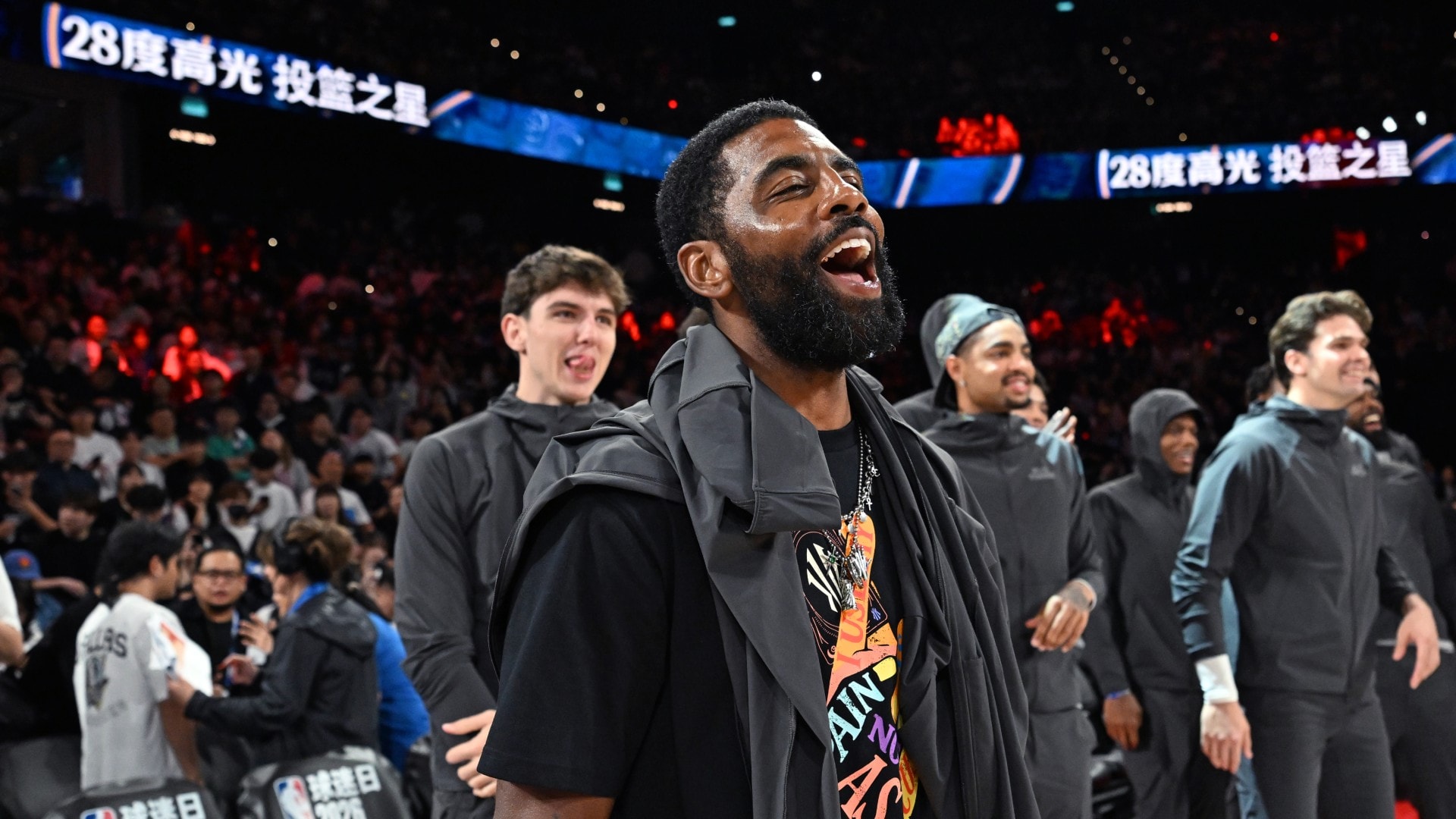
Take a look back at some highlights from the 1999 NBA Finals series matchup between the Spurs and Knicks.
SAN ANTONIO — A season that many around the NBA preferred to forget ended with a Finals that lots of folks like to remember.
Especially now, with the New York Knicks and San Antonio Spurs recreating the matchup of their respective teams 27 years ago. It’s coincidence that they’re both here now, vying for the 2026 championship with almost nothing in common with what we saw then besides team colors and some older members of their fan bases.
But looking back to the Spurs’ first trip to the Finals and the Knicks’ most recent one does provide a glimpse into the franchises’ respective timelines, the level of success each achieved in the interim and some notable changes in the game and the league overall.
First off, it’s worth noting that the Knicks-Spurs Finals came at the end of the 1999 season. It’s the only one in history that started and ended in the same calendar year, a consequence of the labor lockout that pushed Opening Night all the way to Feb. 5, lopping off the “1998” portion of 1998-99 completely. The schedule wrapped on May 6, with teams playing an average of one game every 1.8 days.
A lot of valuable strides were made during that work stoppage for that and subsequent collective bargaining agreements, but the immediate effect was a meatball regular season that jammed 50 games into 90 days. Compare that to the 82 games played across 184 days in 2025-26. That’s an average of one game per 2.24 days.
Four games in five nights was more rule than exception and many teams ran multiple back-to-back-to-back gauntlets. The long offseason hurt some players’ conditioning and the hectic schedule made for some sloppy games. Fortunately, the first round back then was a best-of-five affair, but both New York and San Antonio had to cope with back-to-back playoff games in the conference finals.
Three rounds in, the contrast in the participating teams was stark. The Spurs had been the West’s No. 1 seed and showed it in plowing through the Timberwolves, Lakers and Trail Blazers with an 11-1 record that earned them nine days off before Game 1 of the Finals. San Antonio ranked first in the league both in defensive rating (93.6) and net rating (9.1) while teaming arguably the best big-man tandem ever in veteran David Robinson and second-year phenom Tim Duncan.
Salty vets Avery Johnson, Mario Elie and Sean Elliott filled out the starting five, with experienced role players such as Jaren Jackson, Steve Kerr and Jerome Kersey coming off the bench. Coach Gregg Popovich, the NBA’s all-time leader in coaching victories (1,390), was wrapping up his third season at the Spurs helm.
The Knicks were a whole different playoff animal. They had finished eighth in the East, a mere one game in front of Charlotte. Led by coach Jeff Van Gundy in his third full season, New York ranked fourth defensively but 14th in net rating (1.4) and 25th offensively.
The team was built around wings Allan Houston and Latrell Sprewell, with Charlie Ward and Chris Childs tag-teaming at point guard, Larry Johnson and Kurt Thomas bringing the beef at power forward and Hall of Fame center Patrick Ewing backed up in the middle by young, newly acquired Marcus Camby.
New York went the max five games to beat Miami in the first round, swept Atlanta in the second, then took a beating against Indiana in the East Finals. Needing six games against the Pacers cost them R&R but injuries – Ewing’s torn Achilles tendon and Johnson’s sprained knee ligament – might have cost the Knicks a legit title shot. The former did not play at all in the Finals while the latter was clearly limited, his decline in full roar (28.6% shooting, 7.6 ppg).
Significantly hobbled, the Knicks could not slow the Spurs’ roll. In the old 2-3-2 Finals format, San Antonio needed the series to go the distance to have a true homecourt advantage … but it didn’t matter. It rolled to 12- and 13-point victories in Games 1 and 2 at the Alamodome, limiting New York to 35.6% shooting and 144 total points.
The shift to New York saw an adrenaline spike from the home team, as Houston and Sprewell’s combined 58 points were more than any three Spurs combined. But Game 4 went to San Antonio when all five of its starters scored in double figures, no small thing with points so hard to come by.
Game 5 was the best of the series, tied 12 times with one final lead change on Johnson’s baseline jump shot in the final minute. Moments later, the first No. 8 seed in NBA history to reach the Finals failed to become the first Finals team to climb out of a 3-1 hole.
The biggest what-if of the series was Ewing’s unavailability for it. The 7-footer from Georgetown was six weeks shy of turning 37 and his 11 All-Star selections were in the past by the spring of 1999, but he still was a force to be reckoned with (17.3 ppg, 9.9 rpg, 2.6 blocks per game). Ewing’s absence essentially left the Knicks naked in the matchup up front against San Antonio’s two legendary big men.
At one point, the frustration got to Ewing. Rather than letting his emotions spill over in front of his teammates, he went to the team bus in San Antonio and cried.
“I actually broke down,” the Knicks legend said on a recent podcast. “To have to sit there and listen to all the noise that those fans were talking about, it was hard to take.”
Imagine how much tougher this current showdown would get for New York if All-Star center Karl-Anthony Towns suddenly came up lame, unable to counter Victor Wembanyama’s skills set with his own experience, 3-point prowess and size. That’s how it went 27 years ago, pitting the same two franchises but with few other parallels to what begins with Game 1 Wednesday.
San Antonio won four more championships (2003, 2005, 2007, 2014) after snagging its first against the Knicks. The Knicks, on the other hand, haven’t come close, reaching the playoffs 10 times and the conference finals only twice in past 26 years. New York has been around for all 79 seasons of the NBA’s existence, and its only titles came in 1970 and 1973.
None of the current participants, obviously, was around for those. Nine Knicks players and eight Spurs were toddling around when the 1999 Finals ended, none older than nine. The only thing close to a trip down memory lane came during point guard Jalen Brunson’s media-day session, recalling his father Rick Brunson’s deep reserve role with the Knicks that season (he played 10 seconds in the Finals). Dad was 27 at the time, his son just 2.
They are about to become the first father and son to play in the Finals for the same team, but whatever memories are made will effectively start Wednesday.
“Definitely don’t remember,” Jalen Brunson said Tuesday. “It’s pretty surreal.”
Both Brunsons and Knicks nation would welcome a whole new set of memories against the Spurs.
* * *
Steve Aschburner has written about the NBA since 1980. You can e-mail him here, find his archive here and follow him on X.