The difference between a 3-1 lead and a 2-2 tie is a likely parade vs. everything up for grabs.
• Download the NBA App
• Complete coverage: 2026 NBA Finals
NEW YORK – Learning from a loss is one of those time-tested sports truisms beloved by coaches. Winning is boisterous, with a swagger that tends to validate anything that contributed or led up to it.
Losing is a setback, a punch in the nose that can get players’ attention and provide some teachable moments.
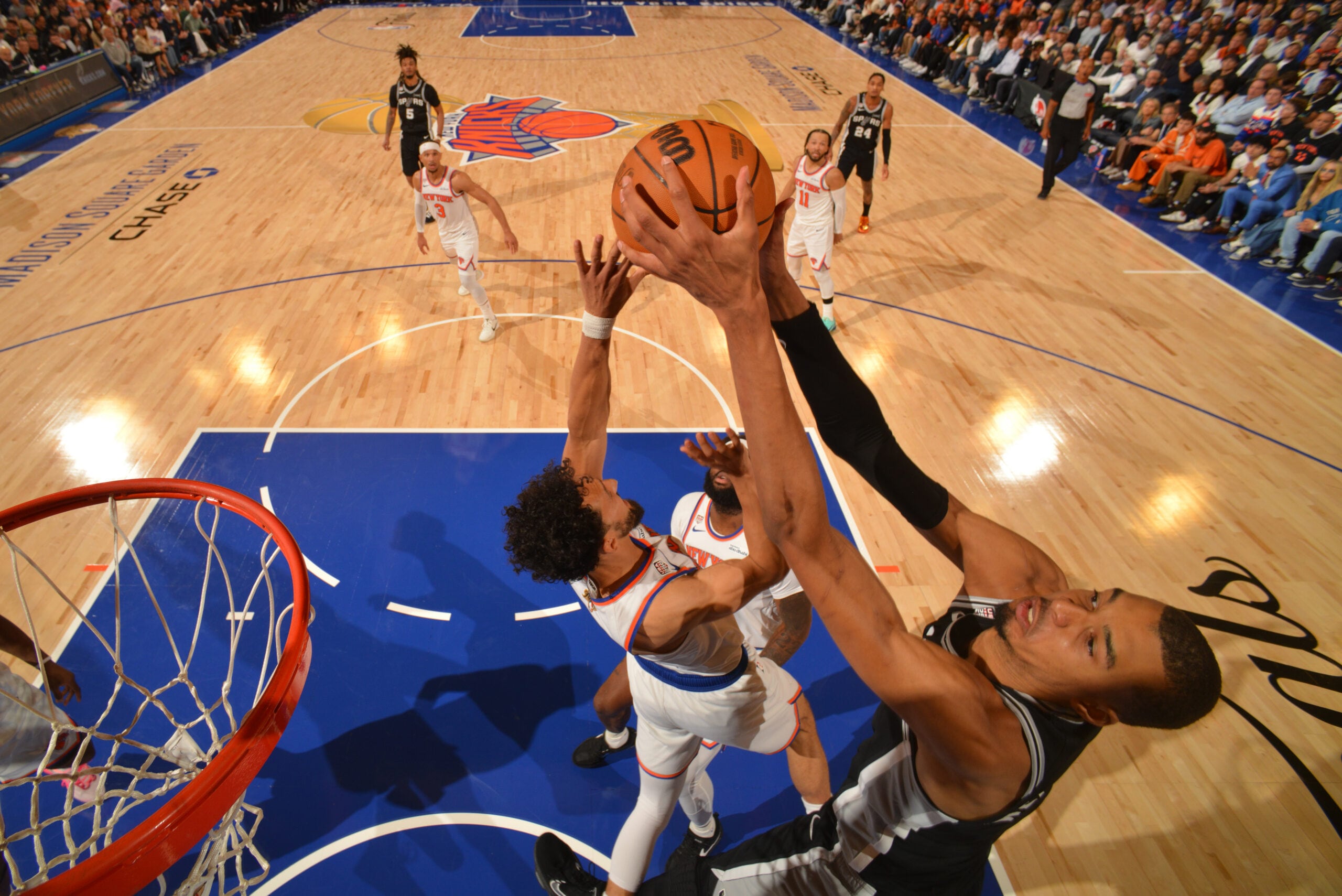
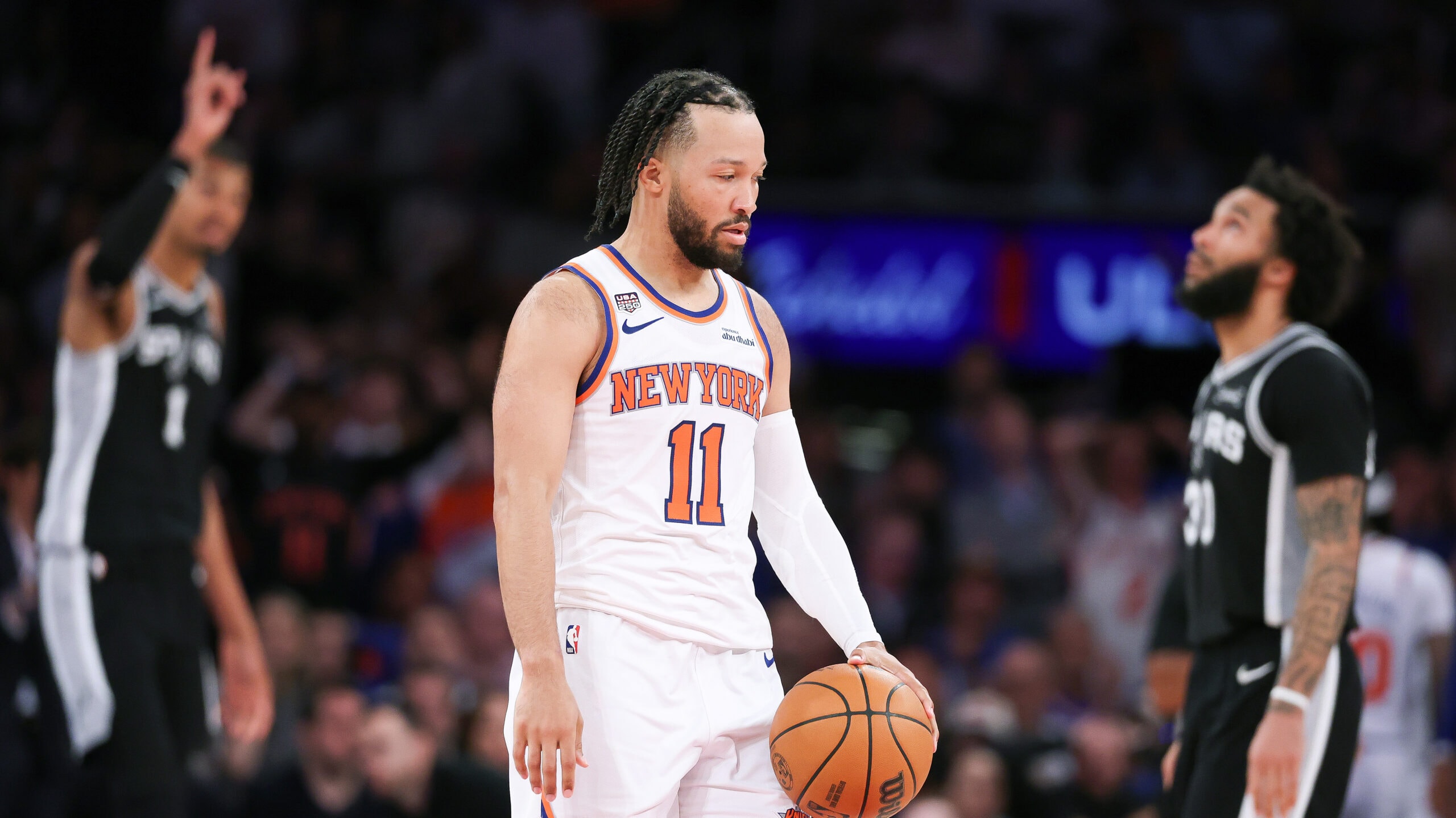
The challenge for the New York Knicks is that, prior to their 115-111 defeat by the San Antonio Spurs in Game 3 of the 2026 NBA Finals Monday at Madison Square Garden, it had been so darn long since they’d even known the feeling. For 13 consecutive playoff games, dating back to April 23, all the Knicks did was win.
So after nearly seven weeks, the first question heading into Game 4 Wednesday (8:30 p.m. ET, ABC) was whether the Knicks needed to re-learn how to learn from a loss.
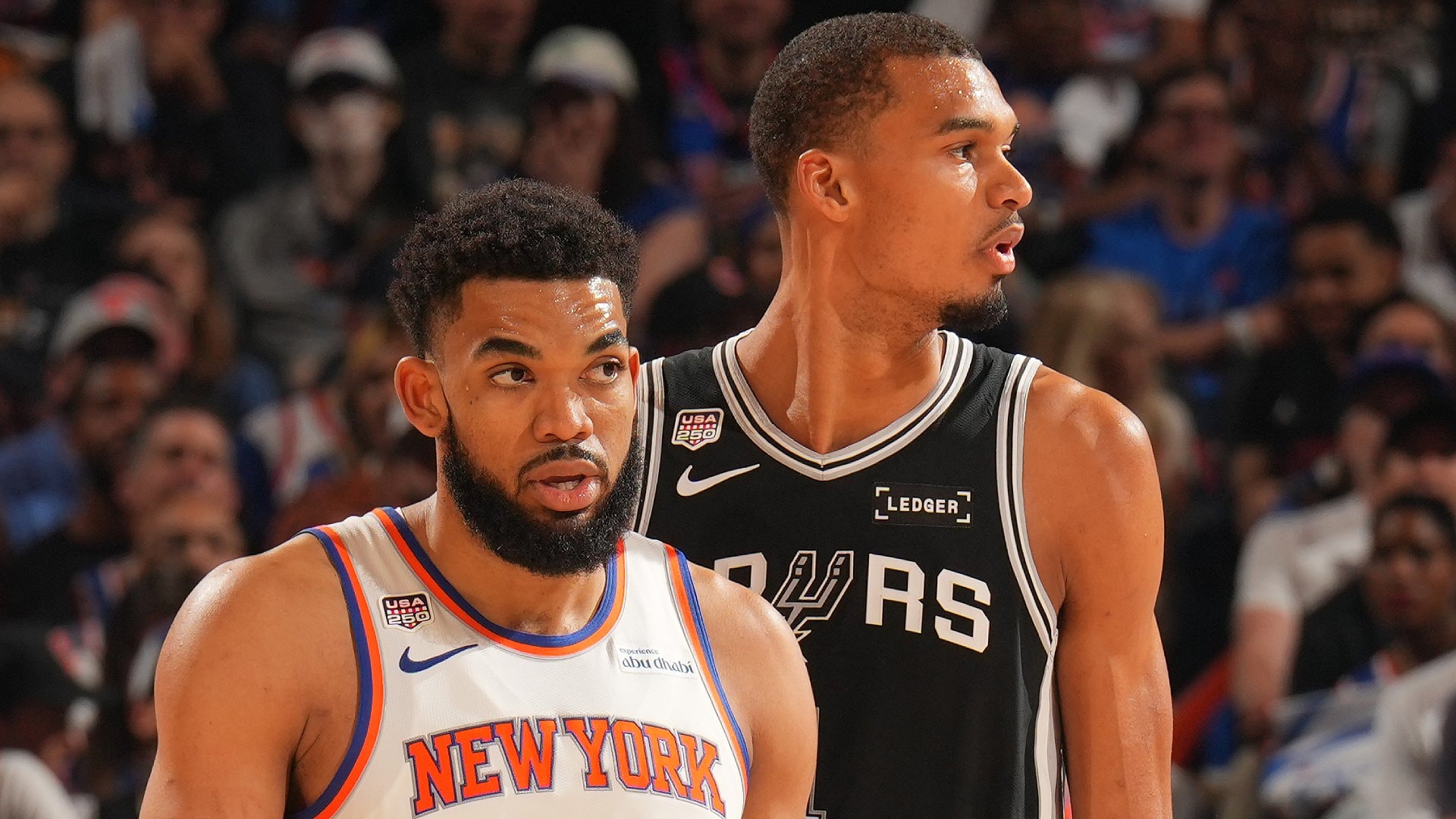
“We have, what, 13 games in a row, 50 days of film to show what it looks like when we’re at our best,” New York center Karl-Anthony Towns said. “We’ll get back to our fundamentals, what makes us great, what made us great.”
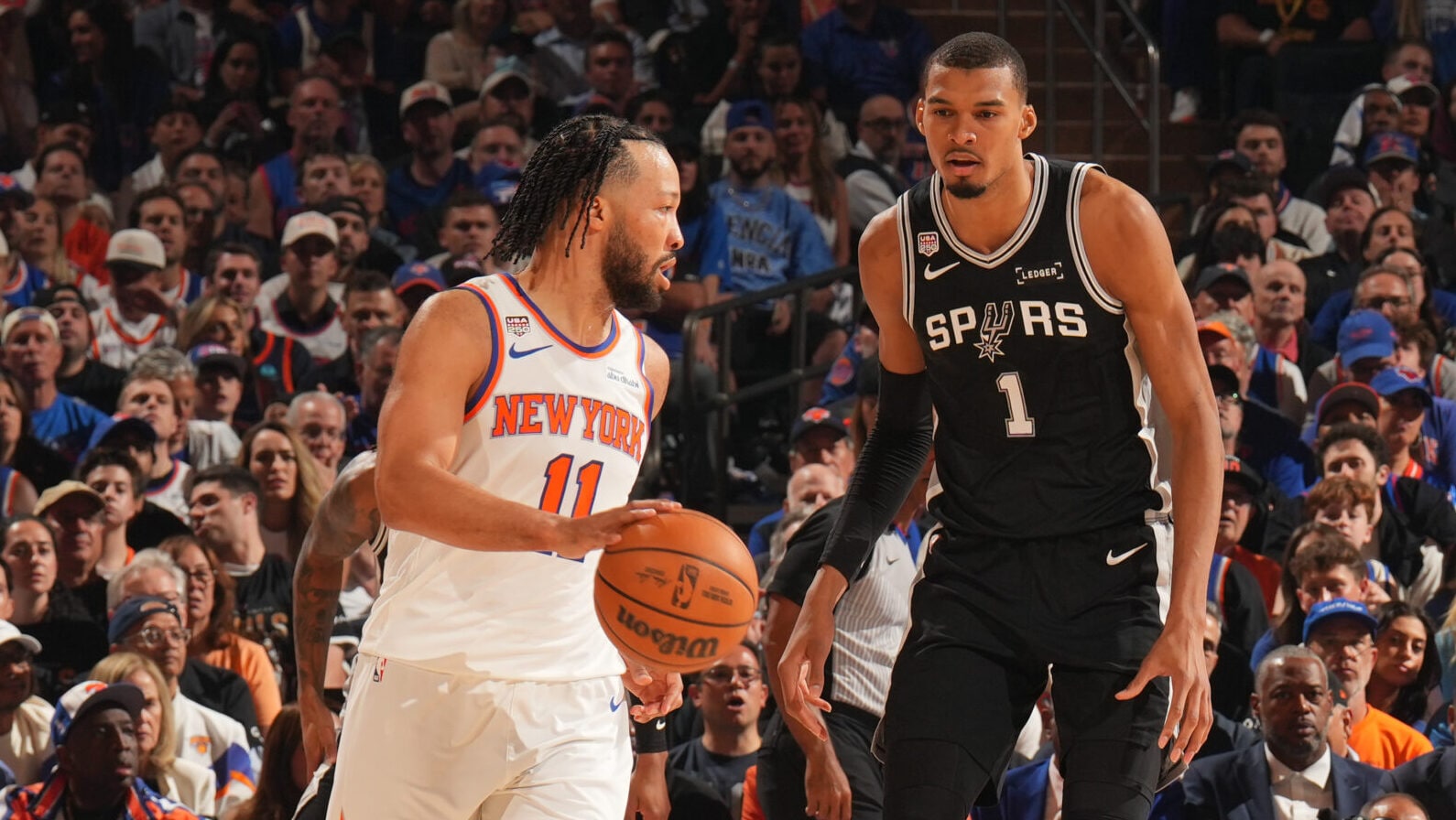
Knicks guard Jalen Brunson said: “Win, we learn. Lose, we learn. We understand what we have to do to be better. Giving our team a chance to have the ball and not turn it over. Stop fouling.”
The Association crew break down what the Knicks and Spurs need to do in order to win Game 4.
The outcome that spoiled the party at Madison Square Garden Monday wasn’t any unraveling or flop by the Knicks. But it was a departure from how they had been playing through the winning streak and it breathed life into a young Spurs team that might have been emotionally intimidated had they fallen behind in the series 3-0.
At 2-1, San Antonio is brimming with confidence and eager to keep this road-victories series on track. The Knicks can’t worry about how they or their rabid fan base might react to a second straight loss at MSG.
The difference between a 3-1 lead and a 2-2 tie is a likely parade vs. everything up for grabs, with the Spurs holding home court in a best-of-three.
New York didn’t spend time on the practice court Tuesday, instead drilling down in a video session so unlike the ones they’d been zipping through since April.
“No matter what we did today,” Brunson said, “we were going to learn and get better, whether it’s on the court or in the film room. Sometimes learning and understanding the attention to detail just by watching, seeing what we did wrong, is just as important.”
What can the Knicks learn from this loss? Let us count:
1. Ball movement
The offensive verve so evident during the winning streak and in Games 1 and 2 got dialed down Monday. San Antonio’s defense was feistier but by their own admission, the Knicks got stagnant, with less ball or body movement.
They had only 18 assists, compared to 49 in the first two games. And when the ball did move, it too often wound up in the wrong hands – the Spurs cashed in for 21 points off New York’s 13 turnovers, 14 more points than the Knicks got off takeaways.
“There were a lot of times where the decisions weren’t made quick,” coach Mike Brown said. “One guy caught, held, held, held, held, held. Now the defense settles in. Now you’re in trouble.”
One or two dribbles and a pass, again and again, can help a lot.
It’s always interesting how five players on the court and a bench full of coaches can see such stagnation, yet not fix it in real time.
Knicks forward Mikal Bridges nodded when asked about that quandary.
“Sometimes if we’re catching it and we’re not making the move … it may be stuck, none of us are helping the next guy out,” Bridges said. “Nobody is giving them the pass. Again, I think we kind of stand [still] and ball watching puts that guy in tough situations.
“If somebody’s near them, we can come to the ball or do something to help the next guy out.”
2. Defensive energy
The Spurs adjusted their attack for Game 3, getting Victor Wembanyama more available and active in the paint. The Knicks took away less than in the first two games.
“Especially early in games, yeah, you have to put pressure on the rim because it’s the most efficient shot,” Wembanyama said. “Then we look for other options.”
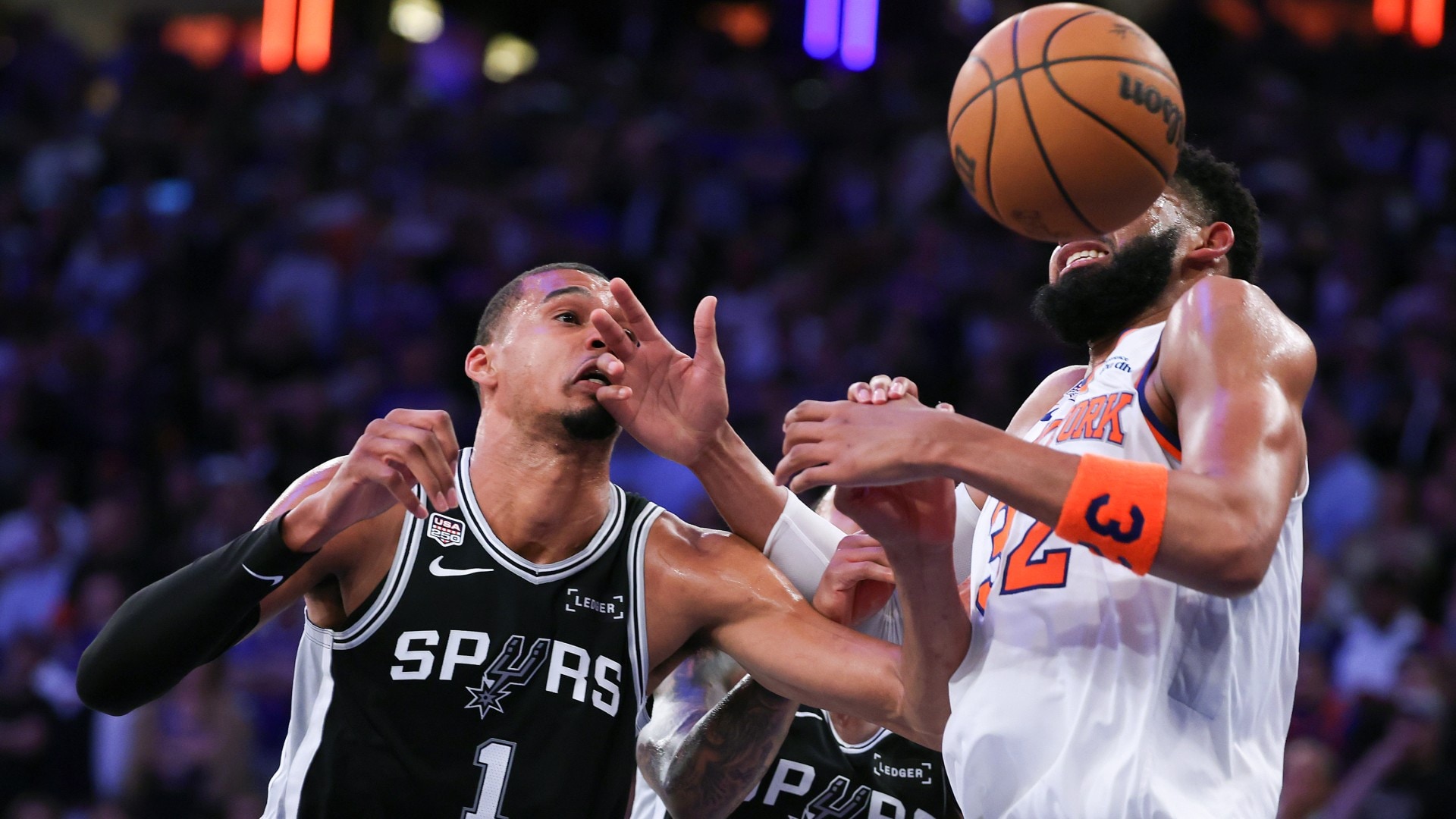
New York took little away from the Spurs through the first three quarters, seemingly intent on just outscoring the visitors. Offense dried up on both ends in the fourth, but the Knicks got outscored 10-4 from the free throw line in that quarter, fouling as a poor substitute for defense.
“The details that made us special, we were too relaxed in them,” Towns said, “and we didn’t execute them at the level that you guys are used to seeing. … Just the fundamentals of what our team is and how we play, we didn’t do that for 48 minutes.
“Playing around with the game against a great team, you’re asking for a disaster, and that’s what we got.”
3. Toughen up
Brown’s gripes about the officiating in his postgame media session Monday seemed half-hearted and he knows that, given the level of contact the these games have, his team needs to match San Antonio, especially away from the ball.
“We have to up our level of physicality, especially at the start of the games, and try to maintain it throughout the course without fouling,” the Knicks coach said.
4. Start stronger
New York has fallen behind by at least 10 points in the first quarter of each game so far. It has been outscored by 28 points in those 36 cumulative minutes, while outscoring San Antonio by 35 in the other three periods (108 minutes).
That’s no way to seize a Larry O’Brien Trophy and the Knicks know it.
“Yeah, I just think we need to be ready to go,” Brunson said. “Very vague thing to say. I think it’s very simple, as well. Just need to be ready.”
5. Find the hot hands
Josh Hart and OG Anunoby combined for 15-for-23 shooting and 44 points in Game 3, compared to 11-for-31 and 37 points in Games 1 and 2 combined. But both seemed relegated to bailing out possessions, rather than getting opportunities created for them.
6. KAT needs to be busy late
No New York player has logged more court time in the fourth quarter than Towns. That’s how valuable he is as a primary defender on Wembanyama. Yet he hasn’t scored a point in that period, which limits the effectiveness of his team’s attack.
The Knicks center brushed off a question about it Tuesday, deferring to the game plan.
But Brown said: “It’s extremely important that he’s getting touches, that he’s involved, not just in the fourth quarter but obviously throughout the ballgame.”
7. Be quick but don’t hurry
This is an old aphorism of John Wooden, when the Wizard of Westwood was coaching champions at UCLA. In this case, it applies not to a particular style of play but the ability of the Knicks not to extend this series any longer than necessary.
Every extra game is more time for the young Spurs team, and Wembanyama in particular, to get more comfortable and confident. After that comes crafty. The Spurs are not content to bide their time and ask permission to try this again next spring.
“What we’ve learned?” Wembanyama said, repeating a question before beginning partly in jest.
“I mean, many things over these playoffs. Many things,” he said. “Brace with your hands and not with your chin. Hit below the head, if you do.”
Those were references to his concussion in the first round against Portland and his Flagrant 2 elbow into Minnesota big man Naz Reid’s neck in the semis.
But then he stopped joking.
“Many other things,” Wembanyama said. “Most importantly be relentless.”
New York needs to match that, so that’s lesson No. 8.
***
Steve Aschburner has written about the NBA since 1980. You can e-mail him here, find his archive here and follow him on X.