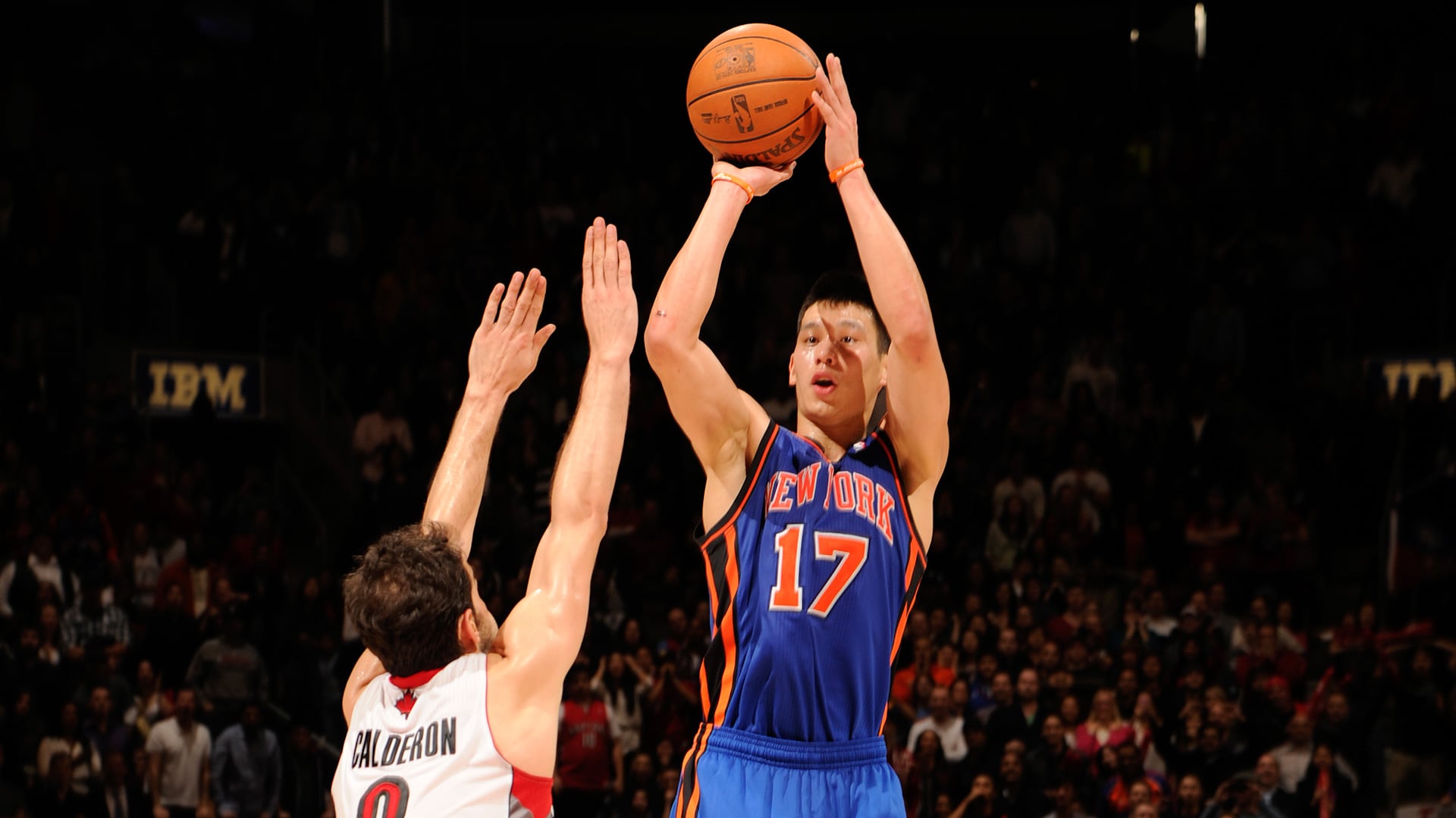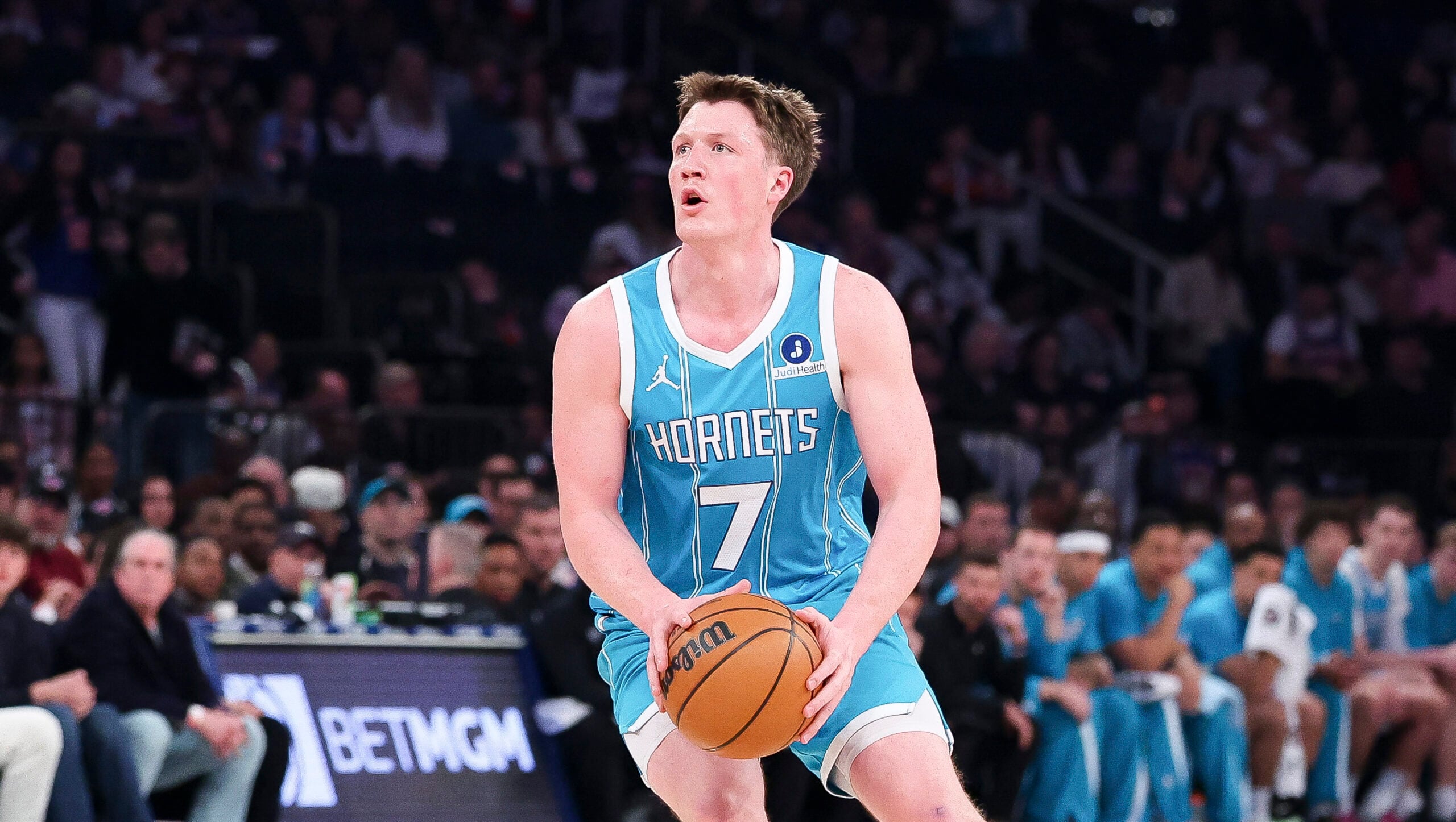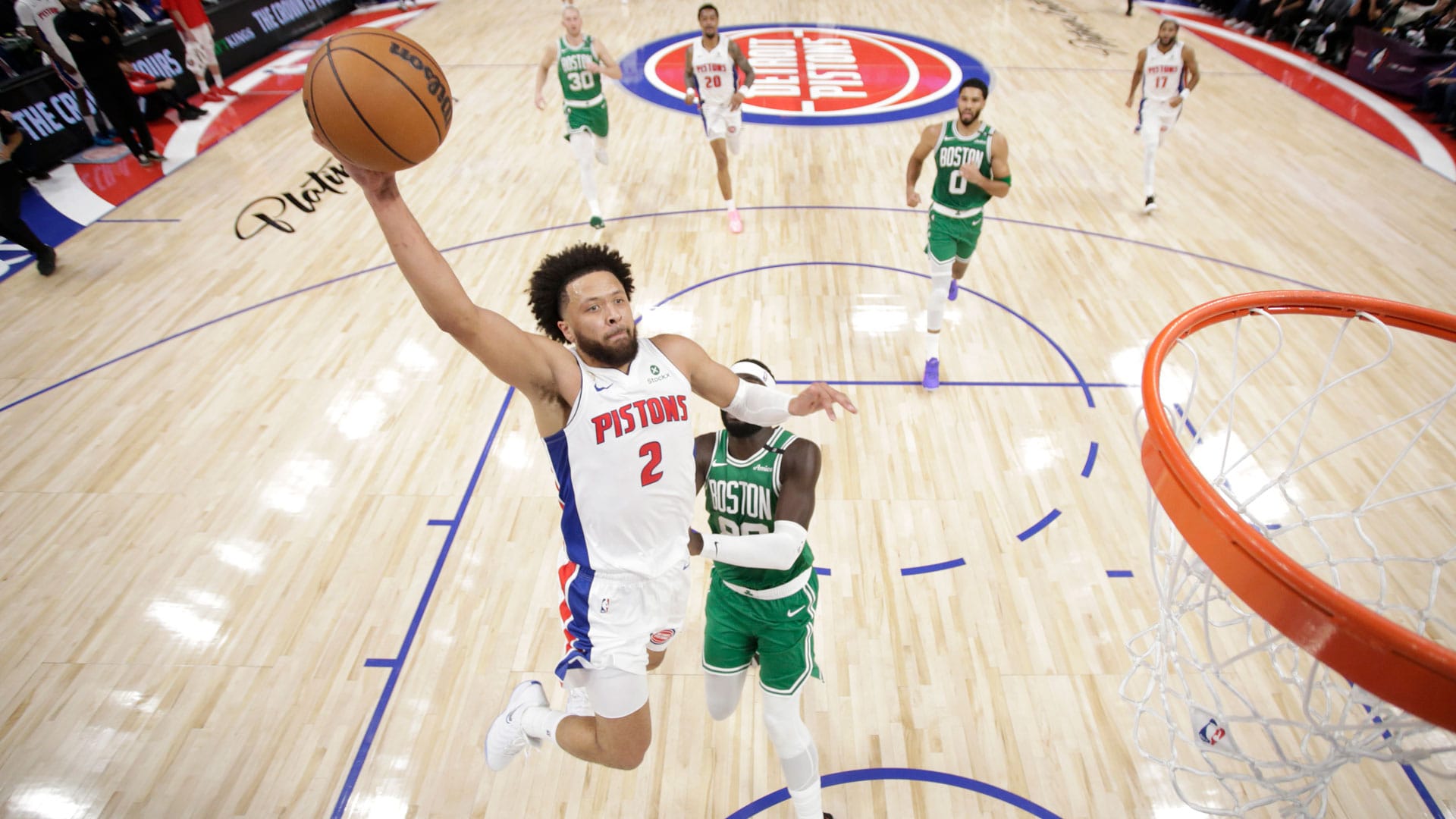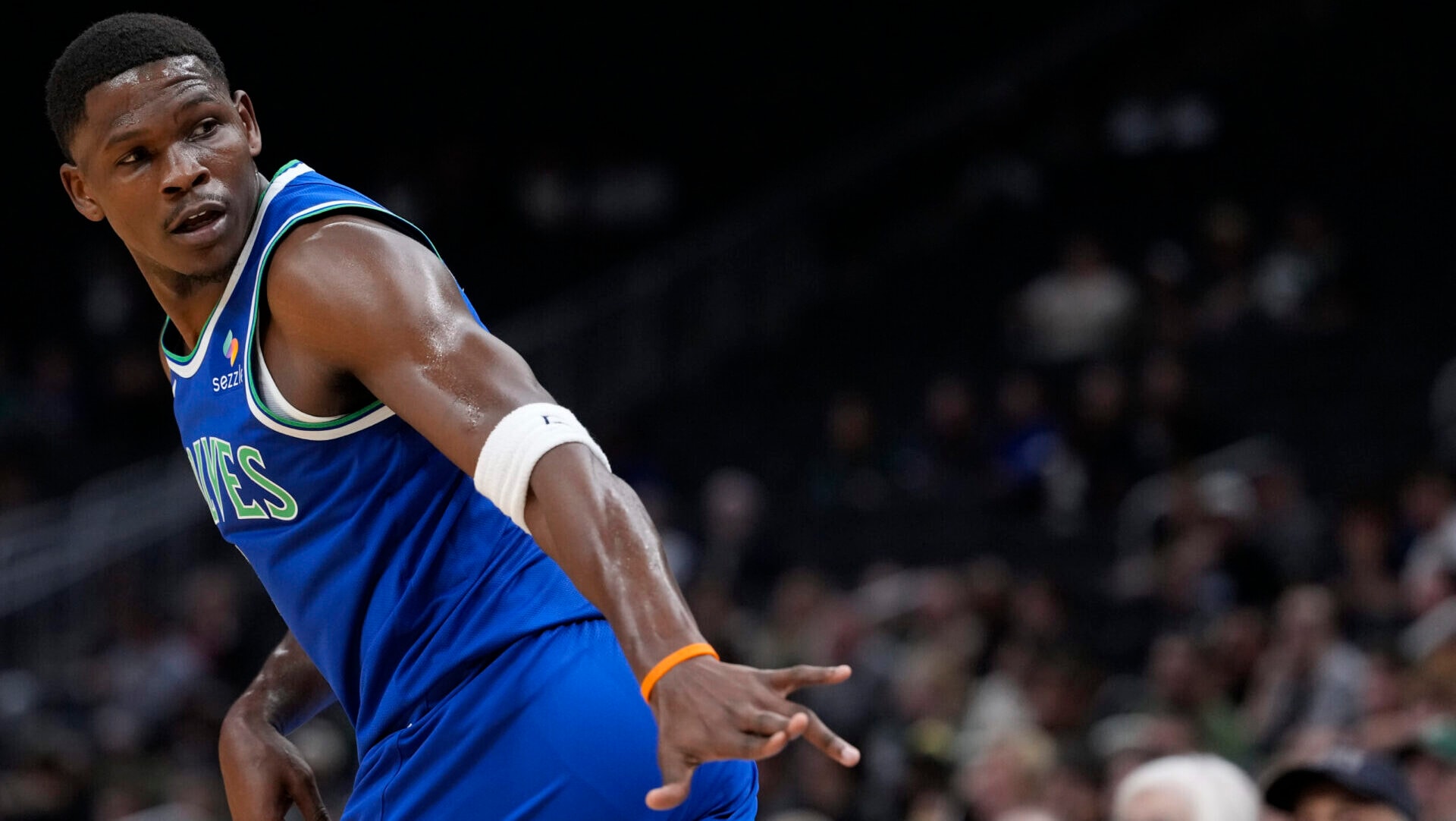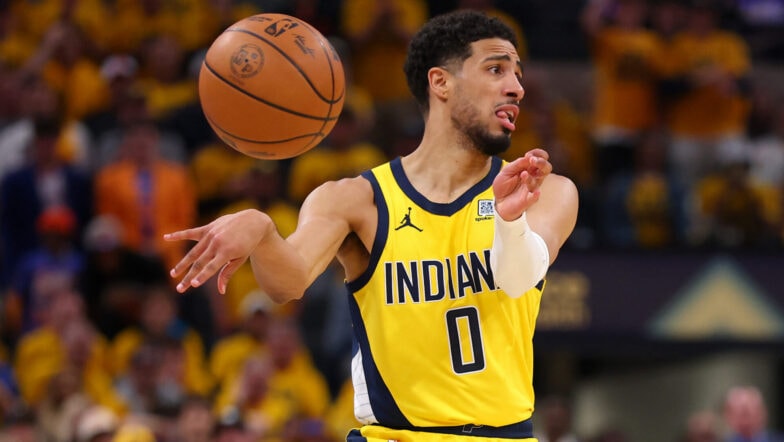
Tyrese Haliburton could return as a top fantasy PG for the 2026-27 season.
October 19 is the date NBA rosters are finalized for opening night, and it’s the first of roughly a dozen calendar milestones that will shape your fantasy season through the trade deadline, the All-Star break, and into the fantasy playoffs.
If you’re playing Yahoo’s High Score, two format rules change how several of these dates should be handled. You draft ten players and start six every week, two guards, three frontcourt, one flex, with no bench to stash on. And only each starter’s best single game of the week counts toward your score, so ceiling matters more than volume. Scoring is simplified as well: points and rebounds are worth one apiece, assists two, steals and blocks three. That last detail reshapes who’s worth adding at every point on this calendar.
Here’s the full schedule, plus what each date means for your roster.
Preseason prep and the draft window
September 29, 2026 — Training camps open
October 3, 2026 — Preseason games begin
October 19, 2026 — Final rosters set for opening day
2026-27 season
October 20, 2026 — Opening night / regular season begins
October 30, 2026 — Emirates NBA Cup group play begins
November 27, 2026 — NBA Cup group play concludes
December 4-11, 2026 — NBA Cup knockout rounds and championship
January 5, 2027 — First day 10-day contracts can be signed
January 10, 2027 — Non-guaranteed contracts become fully guaranteed
January 26-30, 2027 — NBA Rivals Week
February 11, 2027 — NBA trade deadline
February 19-21, 2027 — NBA All-Star weekend
February 19-24, 2027 — NBA All-Star break
Late February/early March 2027 — Typical fantasy trade deadline
March 8, 2027 — Last day to create or join a High Score league
Mid-March to April 4, 2027 — Typical fantasy playoffs window
April 11, 2027 — NBA regular season concludes
Camp and preseason give you your first read on positional battles, rotation depth, and how players are recovering from injuries. Read that information carefully, though. Preseason box scores are noisy. Starters generally see first-half minutes and sit after the break, so second-half production comes from players who won’t sniff the rotation in November.
Because so much of this shakes out late, schedule your draft as close to October 19 as you can. Waiting maximizes roster clarity and keeps you from spending a fourth-rounder on someone who lands on the injury report a week before opening night.
Early season and the NBA Cup
October 20: Opening night / regular season begins
October 30: Emirates NBA Cup group play begins
November 27: NBA Cup group play concludes
December 4-11: NBA Cup knockout rounds and championship (December 11 in Indianapolis)
Fantasy strategy
The opening month is when rotations settle, breakout candidates separate themselves, and the first real waiver-wire targets appear. These pickups can make or break your season.
The Cup then scrambles the schedule for about two weeks. Teams eliminated before the knockout stage pick up makeup games on the resulting off-days, while statistics from the championship game itself don’t count toward regular-season totals. The practical effect is uneven games played across your roster in a stretch where you may also be thin on healthy bodies. Check the schedule a week out rather than reacting to it. Knowing which of your players are getting three games and which are getting one is the difference between streaming your way through the period and losing a week to it.
High Score: the format works in your favor here. Because only each starter’s best game of the week counts, a player stuck with a single game during Cup week can still deliver a full contribution. The uneven schedule that punishes standard head-to-head managers barely registers.
Midseason milestones and the trade deadline
January 5: First day 10-day contracts can be signed
January 10: Non-guaranteed contracts become fully guaranteed
January 26-30: NBA Rivals Week
February 11: NBA trade deadline
January 10 is the pivot point of the midseason calendar. Teams decide whether to keep fringe players on non-guaranteed deals, and the resulting waivers and roster shuffles open up minutes for backups who were buried a week earlier. Watch the 10-day window that opens January 5 as well. Rebuilding clubs often hand real usage to short-term signings down the stretch of seasons.
The weeks around February 11 are the most volatile stretch of your season. Players on your roster can lose their role overnight if they’re moved into a crowded rotation. The flip side is where the value is: when a non-contender ships out a starting veteran, the young player behind him usually inherits most of those minutes. Track the rumor mill in the two weeks before the deadline and be ready to move on the backups before the rest of your league does.
High Score: a ten-team league with ten-man squads leaves only 100 players rostered, so the free-agent pool stays deep all season. That changes how you play the deadline. You don’t need to stash speculative trade beneficiaries the way you would in a standard league.
The All-Star break
February 19-21: NBA All-Star weekend
February 19-24: NBA All-Star break
For most leagues, the break is your last trade window. Use it to buy underperforming stars whose late-season schedules line up with your playoff weeks.
The fantasy playoffs
Late February/early March: Typical fantasy trade deadline
March 8: Last day to create or join a High Score league
Mid-March to April 4: Typical fantasy playoffs window
April 11: NBA regular season concludes
It is recommended not to schedule playoff matchups into the final week of the regular season (April 5-11). Teams already eliminated from postseason contention can shut down veterans and hand minutes to developmental players. If your league’s settings let you set the playoff calendar, end it by April 4.
Through late March and early April, target starters on teams still fighting for seeding or a play-in spot. Those players see full workloads because the games matter.
Then run the swap. The same shutdowns that make eliminated teams’ veterans unusable are what make their young players worth a roster spot. Those minutes go somewhere, and it’s usually to a second-year wing who was playing 14 minutes a night in January.
High Score: the final-week warning is softer in this format. A star limited to one appearance in the closing week still gives you that one game, and one game is all High Score counts. The real risk is the full shutdown, a player who sits the entire week leaves a hole in one of your six slots. Watch the benching rule closely here too: pulling a player out of your lineup removes the points he already scored that week permanently, and putting him back only captures games from that point forward. In the playoffs, set your six deliberately on Monday and resist the urge to churn mid-week in the High Score format.
After the season
The calendar doesn’t really stop. The NBA Draft, free agency, in-season trades, and Vegas Summer League all supply information worth tracking before camps open again in the fall.