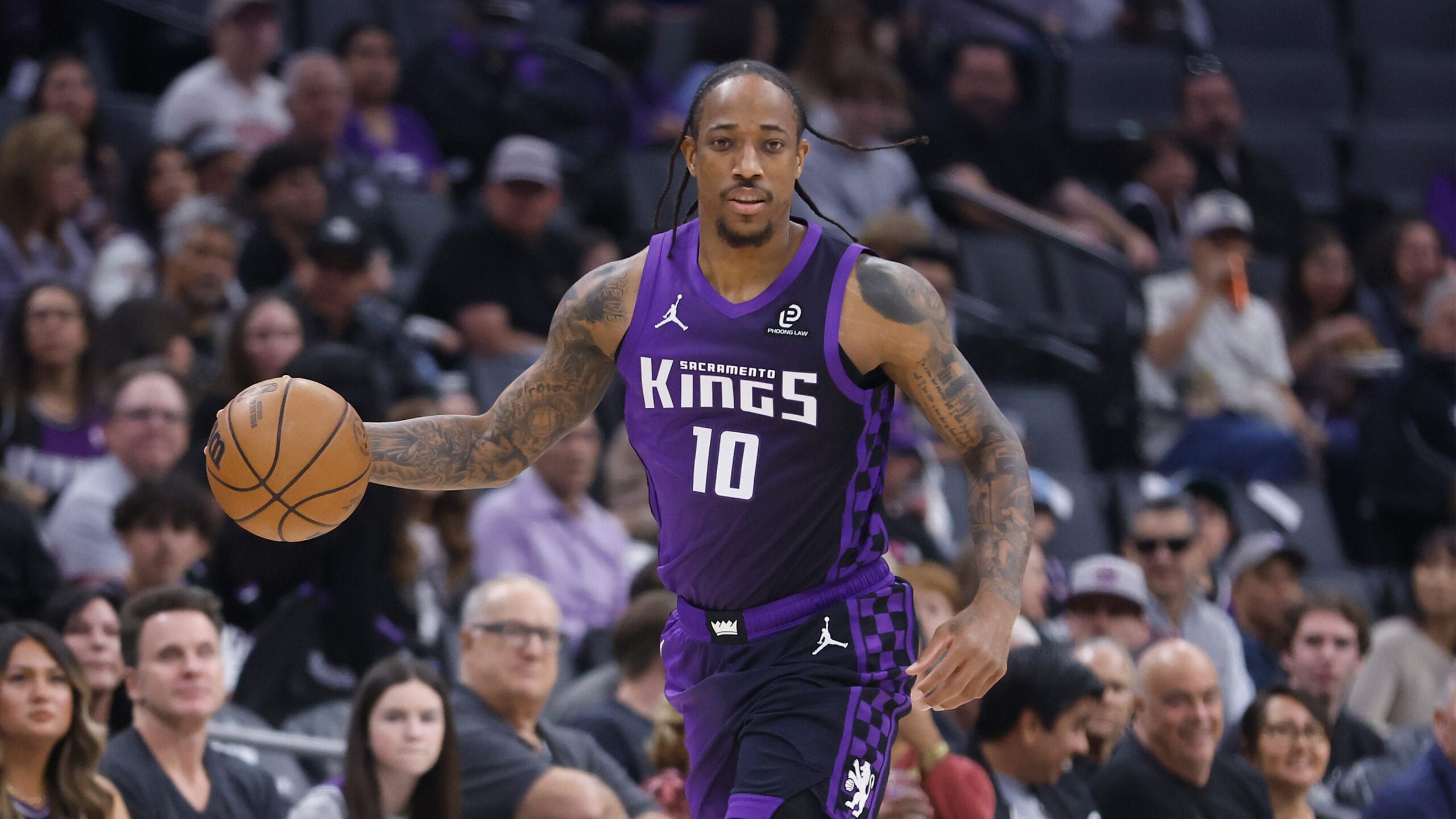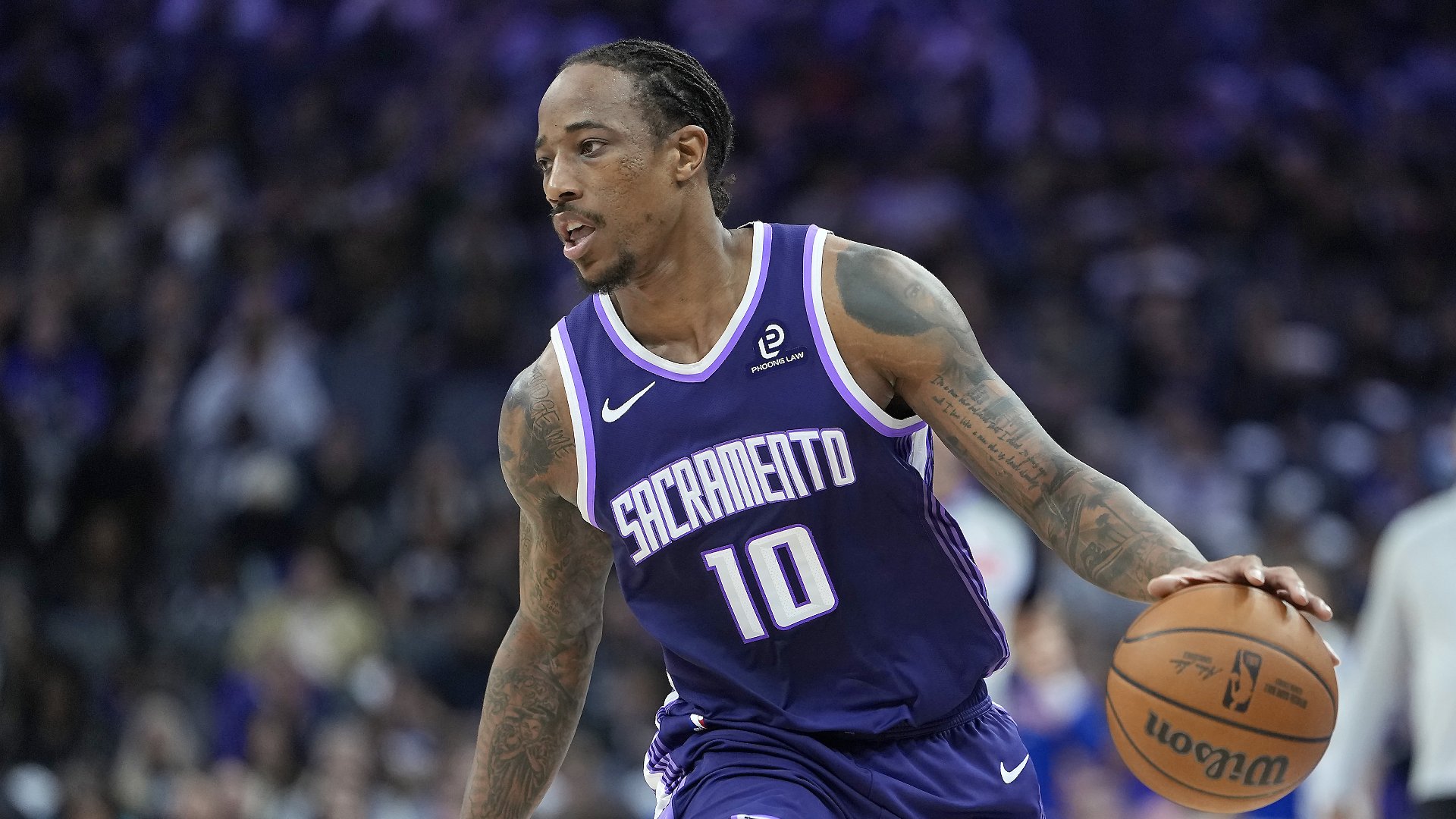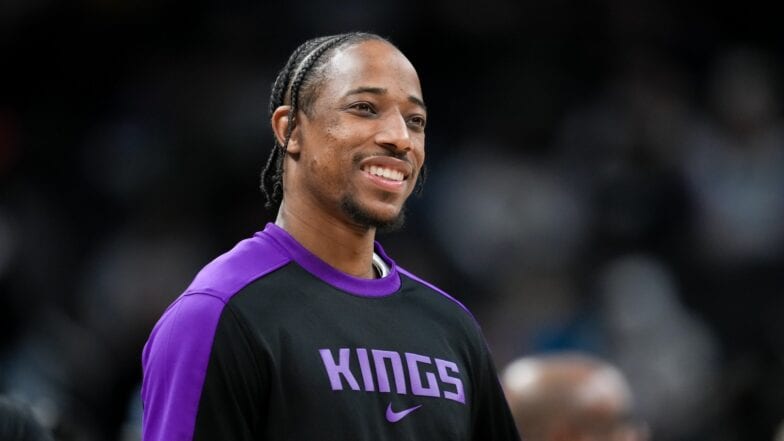
DeMar DeRozan remains committed to making an impact on and off the court.
Editor’s Note: Read more NBA coverage from The Athletic here. The views on this page do not necessarily reflect the views of the NBA or its teams.
***
LOS ANGELES — It’s almost over.
Sometimes, when he’s alone, taking a beat from the demands of the day, DeMar DeRozan repeats that phrase again and again: It’s almost over. It’s almost over.
The phrase reminds him to play with urgency, to cherish this upcoming season, because he is acutely aware he has more time on an NBA court behind him than he does in front of him.
“It’s not a negative thing,” DeRozan says. “It’s a beautiful thing. You can’t do this forever, but while you’re in it, give it all you got, so when it’s time to walk away, you’re at ease with everything.”
The six-time All-Star is both near the end of his career and approaching a new beginning — feeling like a rookie and a veteran at the same time. DeRozan signed with the Denver Nuggets in early September on a one-year deal.
This will be his 18th season. Even hearing that number — 18 — is shocking to him, as he believes he has a lot left to give. But he is also quietly, and meaningfully, pursuing interests after basketball: his keen interest in mental health issues and figuring out how to transform that topic from conversation to action, from podcasts to policy, to reach more people — specifically, young boys and men — who are struggling to cope with mental health challenges and emotional isolation.
DeRozan first ignited the NBA’s conversation on mental health back in 2018, sharing that he struggled with depression, and has done more to destigmatize the subject than many other professional athletes. He inspired Kevin Love, another prominent face of the movement, to begin his own journey. DeRozan also wrote a memoir, “Above the Noise: My Story of Chasing Calm.”
He has a YouTube series, “Dinners with DeMar,” where he interviews influential people about their mental health journey. Each day, he is reminded of his purpose.
A college student recently came up to him while he was working out, telling him how much DeRozan’s words made him feel seen. In another instance, a young man came up to him and told him, “You saved my life.”
DeRozan’s mind returns to the image of a father. He came up to DeRozan: “My son was suicidal until he heard your story.”
“That means the world to me because a lot of times, it’s just me speaking honestly about things I’m going through, things that I may feel,” DeRozan says. “For people to come up to me and acknowledge that means I’m doing the right thing by being vulnerable and putting myself out there to have these conversations because it’s helping somebody. Even if it’s just one person, it’s helpful.”
But as he joins a new team and embraces a new city, he is asking himself: How can he make the most of the time he has left in the NBA and create meaningful change outside of hoops in the present moment?
DeRozan likes the tranquility of Denver, and he is currently searching for a home within the city. Being in a new environment is a cause for reflection.
“It’s easy to get content with what you’re comfortable with, and, sometimes, you got to get out of your comfort zone to grow even more,” he says.
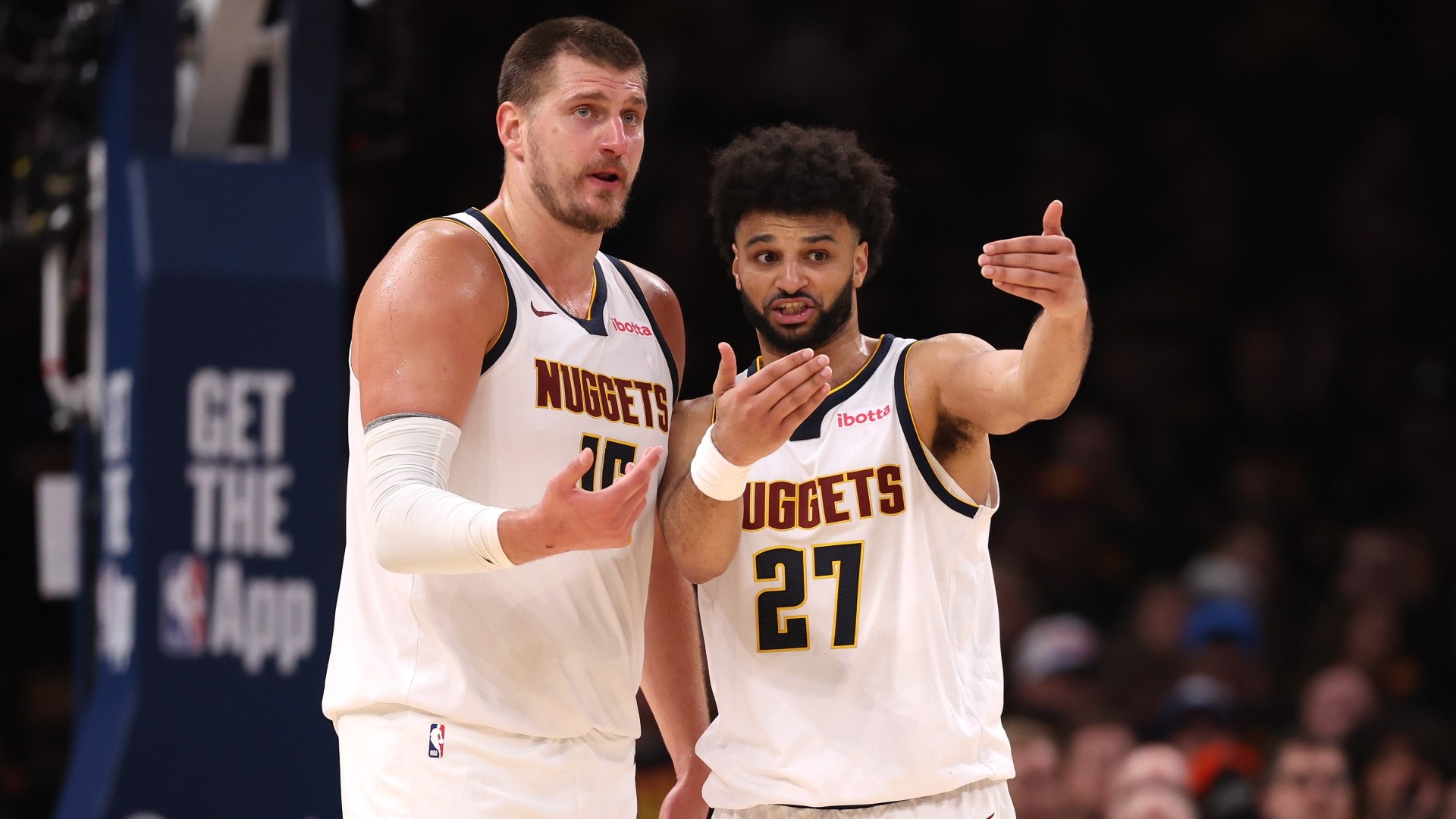
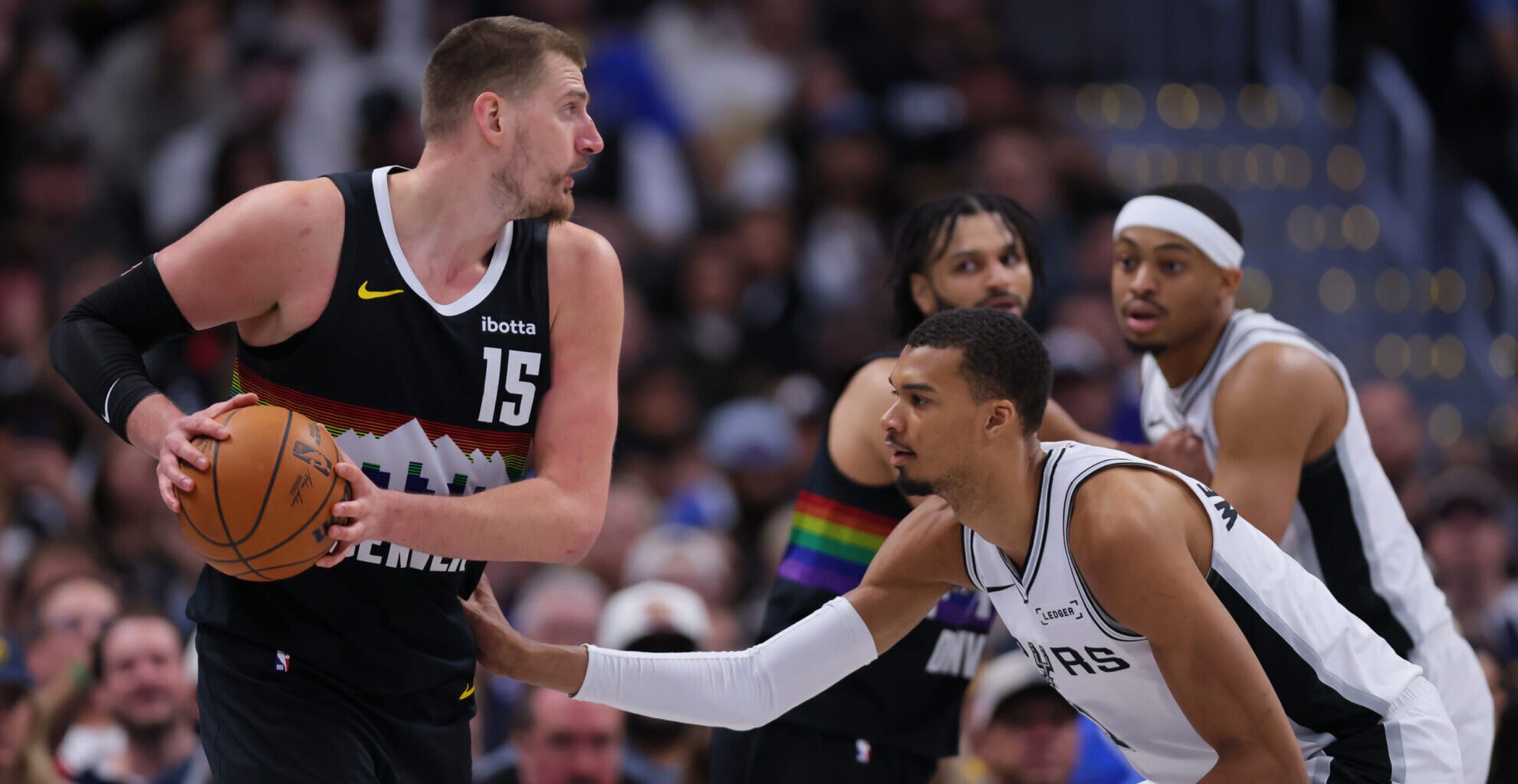
Nikola Jokić, Aaron Gordon and Jamal Murray all called him before he signed with the team, which meant a lot to DeRozan. That played a part in him wanting to sign with the Nuggets. These new teammates, like him, understand what it means to be a veteran — to be conscious of the window getting smaller.
“When I came in the league, I never would have imagined or thought I’d be playing that long,” says DeRozan, 37. “And when you get in, you don’t realize how fast and how much time goes by. … It’s a blessing to be able to play this long.”
Being released by Sacramento in July, after playing for the Kings for just two years, was difficult.
“You gain relationships with players, staff, people within the organization,” says DeRozan, who averaged 18.4 points, 2.9 rebounds and 4.1 assists for the 2025-26 season. “It’s always tough to leave. I was extremely close with a lot of people.”
It also caused him to question his own hoops mortality.
Am I near the end with basketball?
Is this it?
What really is next for me?
“You definitely have those thoughts,” DeRozan says. “It’s just the reality of it. … It comes down to how much longer you want to do it, how much longer you want to push yourself physically and mentally and emotionally to do something you love.”
That causes him to think of how he can channel that drive into something other than basketball.
“Art, visuals, film, writing,” he says. “To inspire other people to tell their stories.”
Film, especially, has his heart in telling mental health stories in the future.
“Really putting these stories together from a visual standpoint, becoming a story you can watch,” he says. “We read stories, we hear stories, we pay attention and find inspiration from stories. … I think it would be amazing.
“We all got a story.”
DeRozan, a six-time NBA All-Star, has openly struggled with depression but is a longtime advocate who assists others in dealing with it.
Back in late July, DeRozan sat at a steakhouse in Los Angeles, taping an episode of “Dinners with DeMar.” His guest was Lonzo Ball, a longtime friend, former Chicago Bulls teammate and fellow Southern California native.
About midway through the interview, DeRozan asked Ball about his mother, Tina. She previously had a stroke. Ball paused. His face tightened, initially struggling to get the words out. Ball began to cry.
DeRozan sat, patiently, not changing the expression on his face. He didn’t try to talk through the moment or ask if Ball needed a minute. He let his guest be vulnerable. Ball felt safe enough to let his emotions out with DeRozan, in a way an interview subject only can when they trust their interviewer.
The more the tears fell, the more Ball opened up about how his mother’s struggles challenged him and his entire family. For Ball, it put life into perspective. DeRozan, whose mother has health challenges of her own, offered empathy without taking over the segment.
The moment was a microcosm of the work DeRozan is deeply engaged in. While with the Kings, he started to think how he could take his mental-health conversations to a wider audience. Though fireside chats and mental-health events, all of which are regularly a part of his schedule, do move the needle, DeRozan has felt for a while that there needs to be some other mechanism to transform these conversations into action.
The more he heard sobering statistics about young men in America battling mental-health struggles and loneliness, the more avidly he brainstormed how he could help.
Nationally, men account for nearly 80 percent of suicide deaths. Young Black men are dying by suicide at higher rates than their White peers for the first time.
“We carry so much weight on our shoulders. We sweep so much stuff under the rug, so you don’t even realize how much until you uncover it,” DeRozan says, “and you realize how much hurt, how much pain, how much stuff you compartmentalize. You never know when that breaking point may hit.
“The approach I try to take is being vulnerable and letting people know you’re not alone.”
He tried to meet with California Gov. Gavin Newsom and first partner Jennifer Siebel Newsom to discuss how he could help with state initiatives to help struggling young boys and men in the governor’s various programs. He invited the Newsoms to be guests on “Dinners with DeMar” and also invited them to participate in an event he held. They both had conflicting schedules, but DeRozan has not lost sight of the importance of reaching out in his community. He has a new landscape in front of him in Colorado and will be looking to make an impact there.
“Young men are struggling, and too many still feel like they’re supposed to handle everything themselves and keep what they’re going through inside,” says Brett Rapkin, founder of Podium Pictures and creator of “Dinners with DeMar.”
“DeMar has the authenticity and reach to redefine what strength looks like for young men and use storytelling to create real cultural impact at scale.”
As his day in L.A. winds down, DeRozan takes a beat at a nearby table. He folds his right arm across his body, revealing one of his favorite tattoos, which reads: Why would they care about you?
He remembered hearing that when he was young, as if he did not matter. As if what he was going through was unimportant.
“I had ended up getting it tatted on me because it was just like, I’ll never forget those words. I never let something like that affect me,” DeRozan says.
The negativity that tried to hold him back, growing up in Compton, Calif., was something that always motivated him to push past. It still does.
It’s almost over.
He can feel that urgency again. That desire to give his all before he no longer has the chance to. Getting older, being in his 30s, has reminded him of how quickly time passes. How he, too, needs to tend to his own mental-health struggles.
“I’m far from perfect. I still have my days,” DeRozan says. “We’re still human. … It’s OK if you gotta cry or let it out, you know? It’s OK to take a moment for yourself.”
He doesn’t want young boys to feel how he felt growing up.
Why would they care about you?
So, he offers a new message:
You do matter.
***
Mirin Fader is a senior writer for The Athletic, writing long-form features, primarily on the NBA. Mirin is also the New York Times best-selling author of GIANNIS: The Improbable Rise of an NBA Champion and DREAM: The Life and Legacy of Hakeem Olajuwon. She has told compelling human-interest features on some of our most complex, most dominant heroes from the NBA, NFL, WNBA and NCAA, most recently at The Ringer. Her work has been featured in the Best American Sports Writing books. She lives in Los Angeles.You can follow Mirin on X @mirinfader