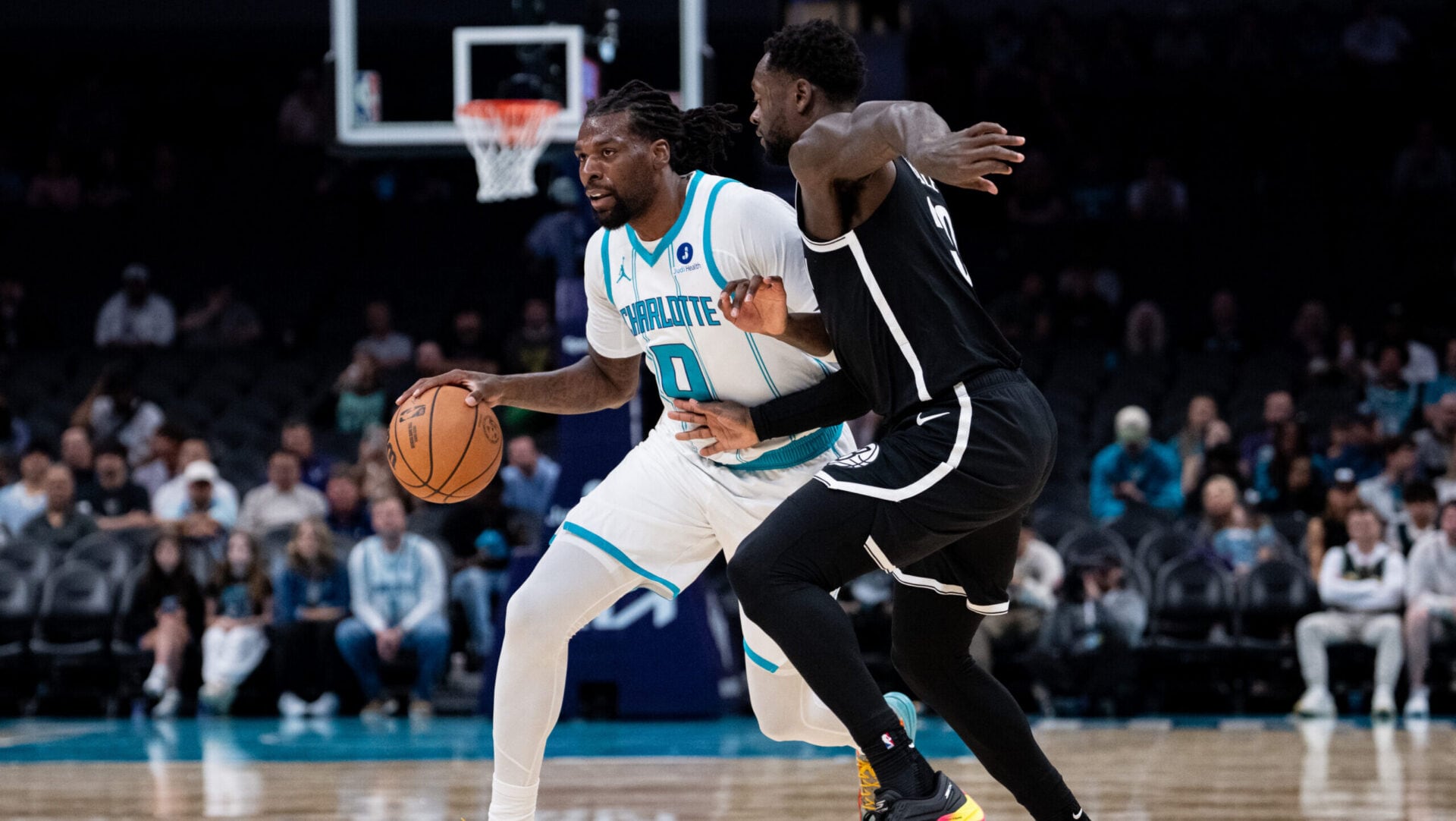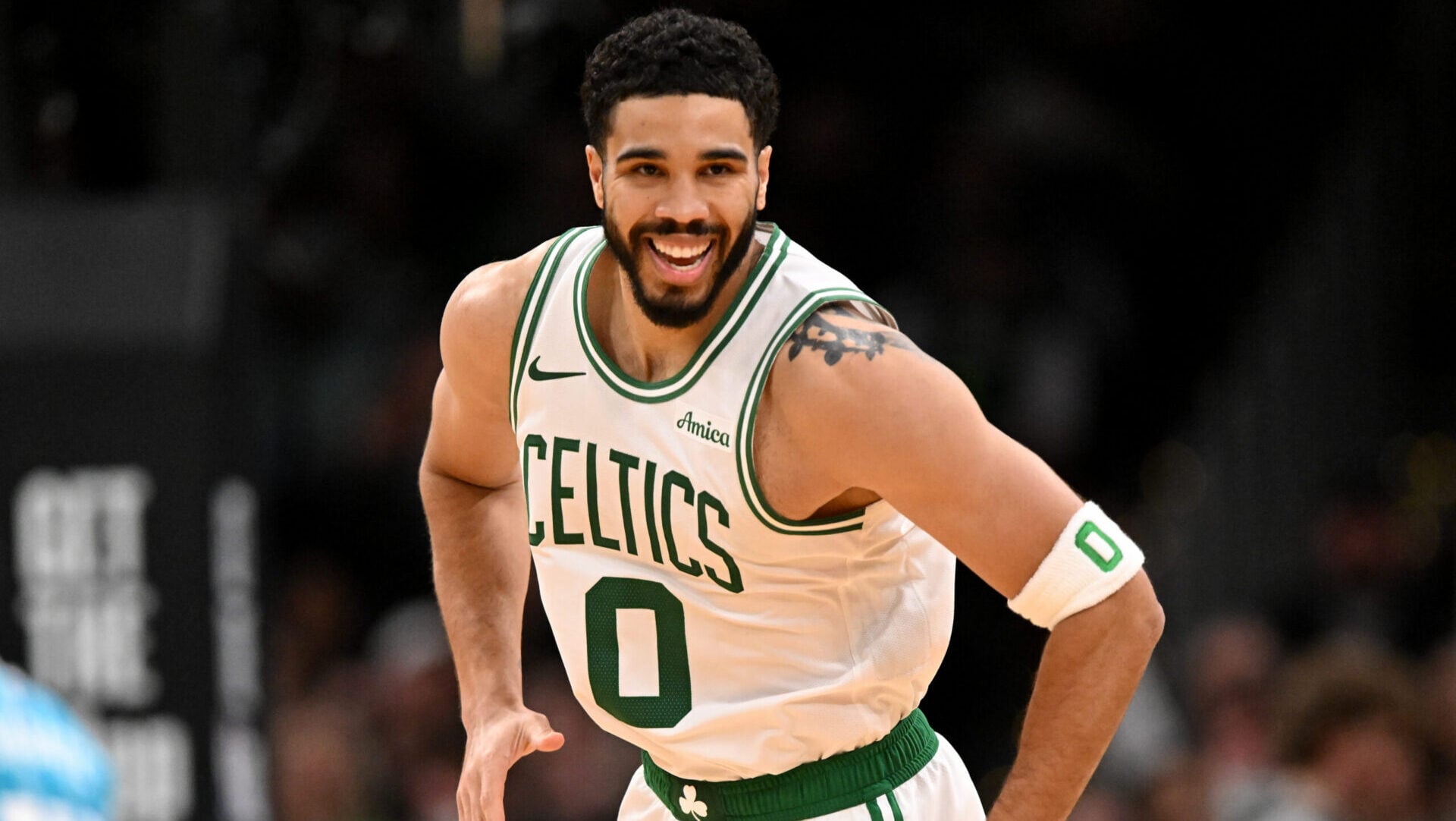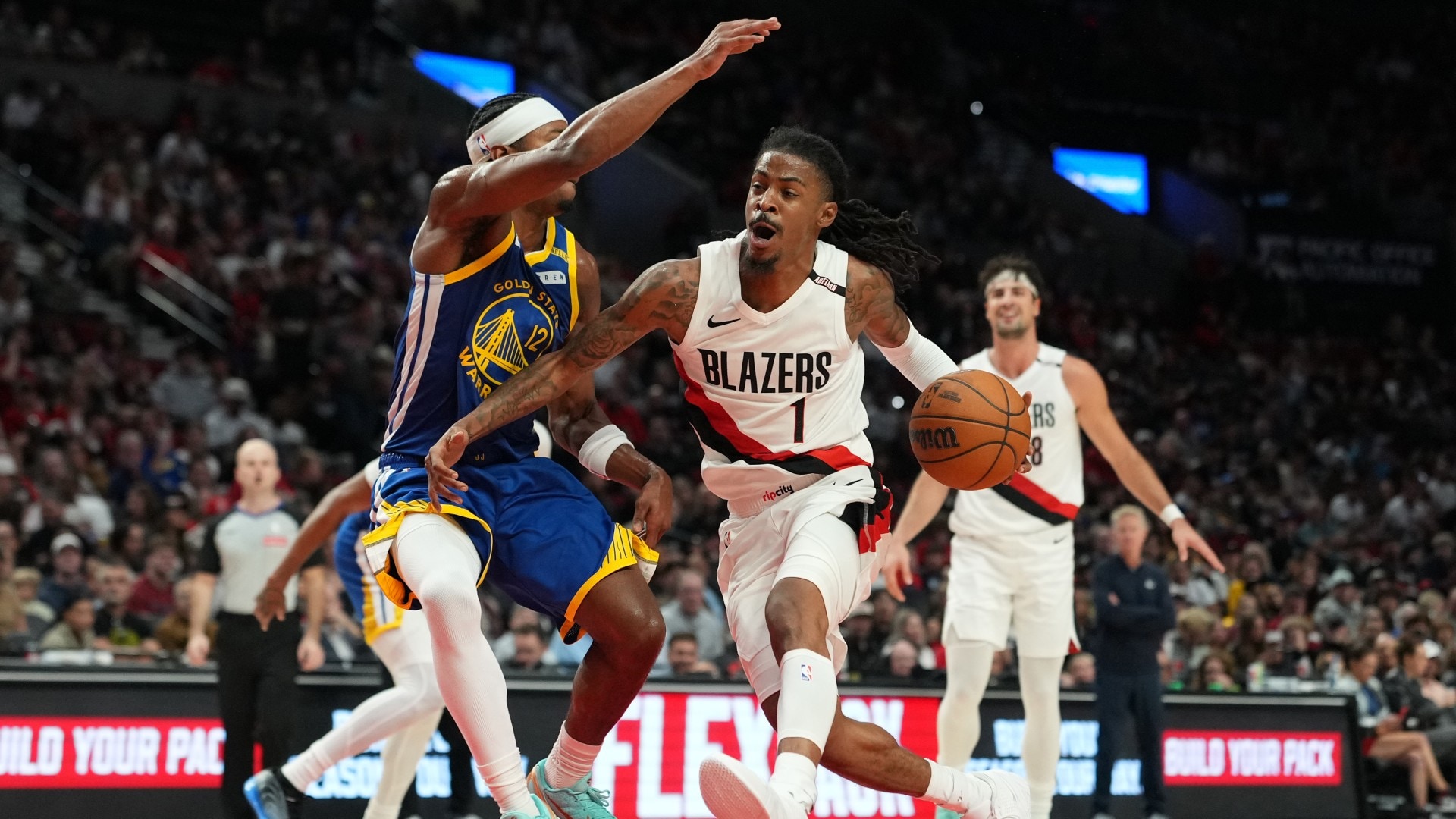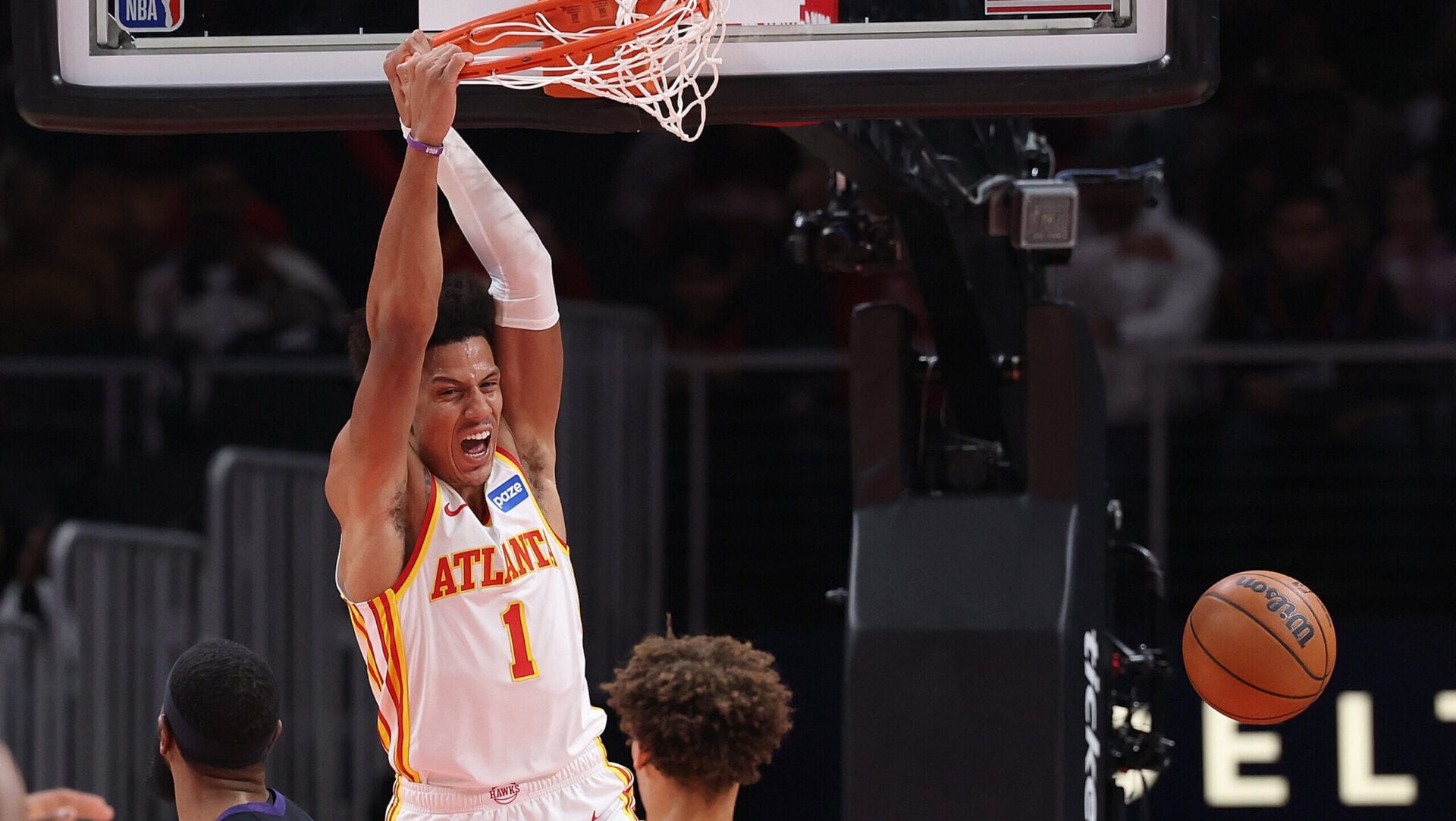
Julian Champagnie misses a 3-pointer as time expires to give the Timberwolves a Game 1 victory on the road.
If ever there was a playoff series that deserved to use Game 1 as a proverbial “feeling out” game, it was this Minnesota-San Antonio Western Conference semifinals that began Monday at Frost Bank Center.
There was nothing in the run-up or the result to negate the Timberwolves’ 104-102 victory on the Spurs’ court, good for a 1-0 lead in the best-of-seven series.
But there was plenty that provided before, during and after to provide context and fresh challenges for however many more games unspool in this one.
Minnesota, after all, was only a few days removed from an emotional and physically costly elimination of Denver. It had six games and nearly two weeks of coping with arguably the NBA’s most potent offensive center, Nikola Jokić, a top-of-the-key initiator of everything the Nuggets do to pick apart an opposing defense.
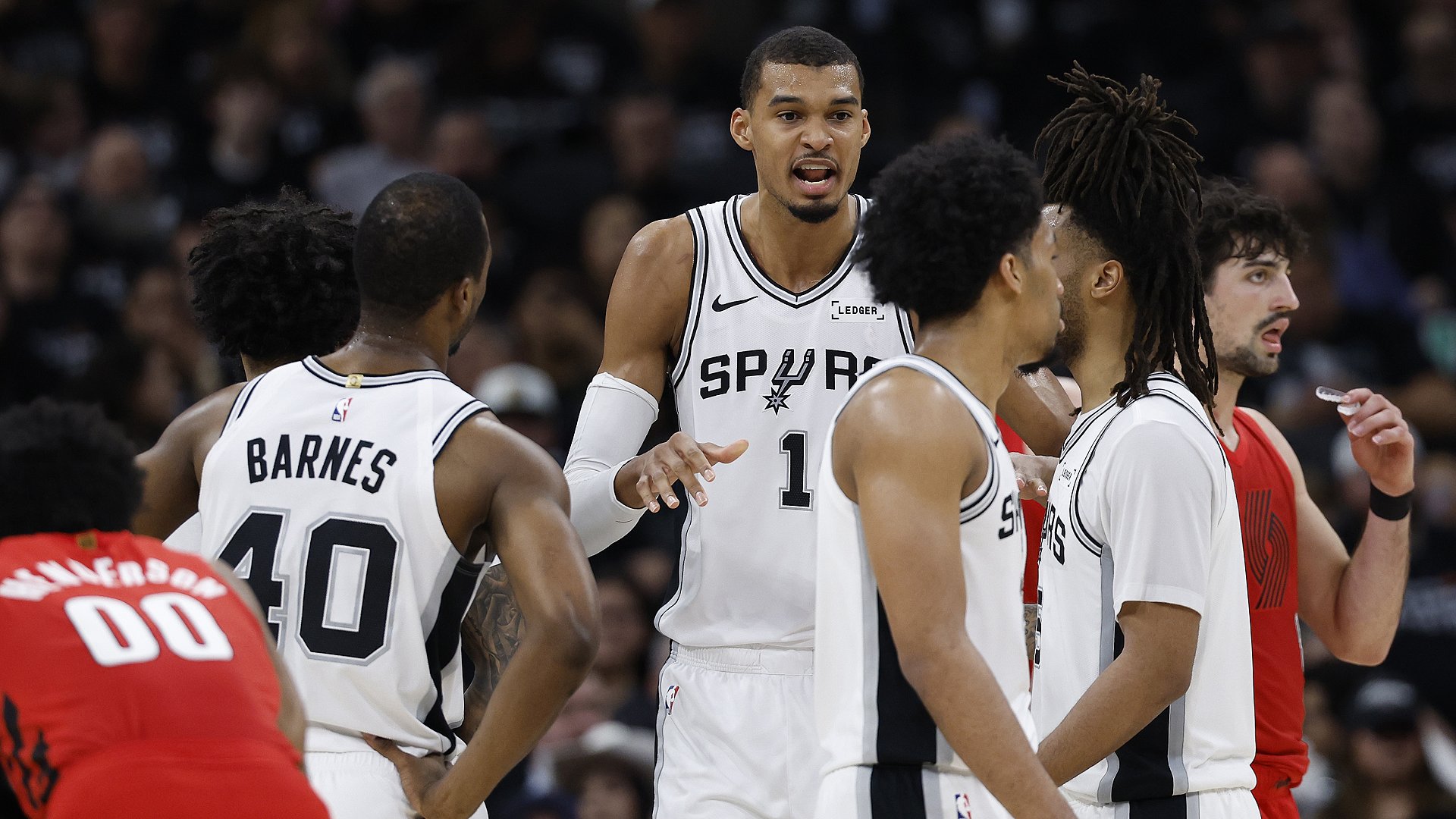
Then on Monday, it was into battle against the league’s Kia Defensive Player of the Year anchoring and emboldening everything San Antonio does at that end.
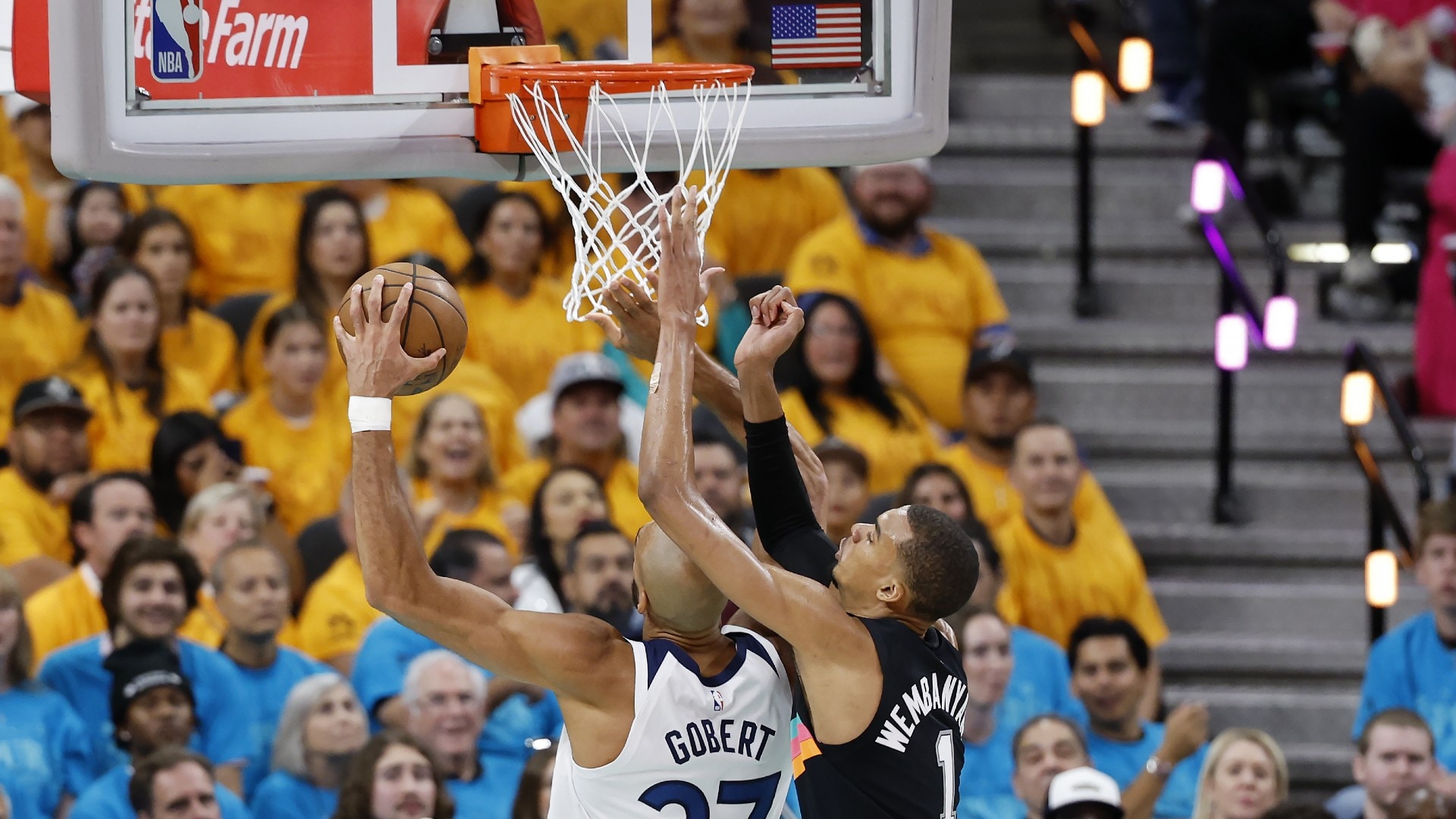
Victor Wembanyama swatted shots in the opener like he was protecting sandwiches at a picnic, suggesting an upcoming adjustment by the Wolves or a statistically humiliating string of performances.
San Antonio, meanwhile, needed to feel its way through a game, period, after being off for six days. The rhythm and efficiency the Spurs had in ousting Portland in five games needed to be found anew.
Here are four takeaways from Game 1 in a series that figures to get more intense by the game:
1. Edwards returns to keep Spurs honest
Anthony Edwards returns from injury to score 18 points off the bench in a Game 1 victory for the Timberwolves.
Those familiar with Anthony Edwards’ physical resiliency weren’t surprised when he was activated for Game 1. He has a personal history of bouncing back ahead of schedule, within games, from one half to the next, and somehow shortening injury layoffs from weeks to days.
The bone bruise and hyperextended left knee suffered in Game 4 against Denver last week was a perfect example. The Wolves’ scoring star fast-tracked his return, coming off the bench seven days after the initial “week-to-week” prognosis.
Edwards played just 25 minutes, didn’t high-fly around the court the way he usually does and finished with modest numbers (18 points, two 3-pointers) by his playoff standards.
But Minnesota’s depth chart needed him back, with Donte DiVincenzo and Ayo Dosunmu absent from its backcourt, and its mojo craved Edwards’ return too.
“Just his ability to bounce back and give us whatever he had out there was huge,” teammate Julius Randle said. “Just super happy, super proud to have him back.”
The Spurs knew Edwards’ reputation, so they didn’t presume anything about his availability. “We practiced as if he was playing,” said forward Julian Champagnie. “There was no difference in strategy, there was no difference in what we were trying to do. [It was] ‘This is what he wants to do, this is what we’re going to do to counter it.’”
2. Wemby’s shot rejections best his shot selection
Victor Wembanyama sets an NBA playoff record with 12 blocks, along with 11 points and 15 rebounds for a triple-double in Game 1.
Wembanyama did more than block a dozen Minnesota shots Monday, a hefty share of the Wolves’ 50 misses. The Spurs’ 7-foot-4 rim-protecting windmill offered a glimpse of what NBA playoff games must have looked like in the 1960s, when Wilt Chamberlain and Bill Russell were turning back opponents’ (and often each other’s) field-goal attempts.
It wasn’t Chamberlain’s and Russell’s fault that the NBA didn’t bother to track blocks back then.
The stat only was made official in 1973-74, which is why Wembanyama’s 12 blocks cleared the single-game playoff record, held jointly by the Utah Jazz’s Mark Eaton (April 1985 vs. Houston), the Houston Rockets’ Hakeem Olajuwon (April 1990 vs. the Lakers) and the Lakers’ Andrew Bynum (April 2012 vs. Denver).
There was no Wolves shot attempt that seemed beyond Wembanyama’s reach.
“I mean, Wemby had 12 blocks. We have to make a little bit of an adjustment there,” said Randle, chuckling. “We’re not going to just not attack the basket because he’s down there. We can be smarter about how we do it. We’re not going to let him just deter us from attacking the rim.”
Minnesota did appear to adjust in the second half.
They put more arc in some shots, went to the glass with others, switched hands to throw off the big man’s timing and even quibbled with the validity of some swats, maybe to plant seeds in the Game 2 officials’ heads.
As coach Chris Finch said, “A little bit better spacing, a little bit better off-ball movement. … He had a couple uncalled goaltendings, too. Those are valuable points we’d like to have back.”
Wembanyama gave back a few at the other end, taking eight 3-pointers and missing each one. As much as that range is part of his game, it sure seemed he was letting the Wolves off the hook whenever he opted for the arc vs. the paint.
3. Expect more bumping, more bruising
Finch, in his opening postgame remarks, noted the “defense was at an all-time high at both ends.” That is the forecast for the next three to six games in the series, since both teams are built defense-first and more than willing to play through contact.
Physicality was a theme at the podium, just as it was the name of the game. Stephon Castle fouled out, Randle and Jaden McDaniels had to work around five fouls each and Naz Reid, Devin Vassell and Dylan Harper were saddled with four.
It won’t be ideal if a disqualified player ends up swinging the outcome of a game or two in the series. Then again, the way the Wolves shot free throws (12-for-21), who could blame the Spurs for sending them to the line as often as possible?
Flip side: Wemby can’t block those.
Look for adjustments from both teams and, most importantly, from what’s whistled and what’s tolerated as the series plays out.
4. To timeout or not to timeout?
Both Finch and Spurs coach Mitch Johnson eschewed calling timeouts in a hectic final minute. Minnesota could have used one with 34.4 seconds left when it was clinging to a 104-100 lead. Edwards’ attempted inbounds pass was stolen by Vassell, who passed to Harper for a layup at 30.9 seconds to cut the lead to two.
Edwards and Finch both second-guessed themselves afterward for not calling a timeout to allow for something more precise.
Johnson made the same decision after Randle missed a 17-footer with eight seconds left. Like Finch, he had two timeouts available but passed. Champagnie’s 3-pointer from the right wing banged off as time ran out.
Johnson said he had no problem with the shot, though the Spurs didn’t need a 3. The shooter was OK with it, too.
“Felt pretty solid,” Champagnie said. “Missed the shot, on to the next.”
On to the next, indeed. Game 2 (9:30 ET, ESPN) is set for Wednesday.
* * *
Steve Aschburner has written about the NBA since 1980. You can e-mail him here, find his archive here and follow him on X.