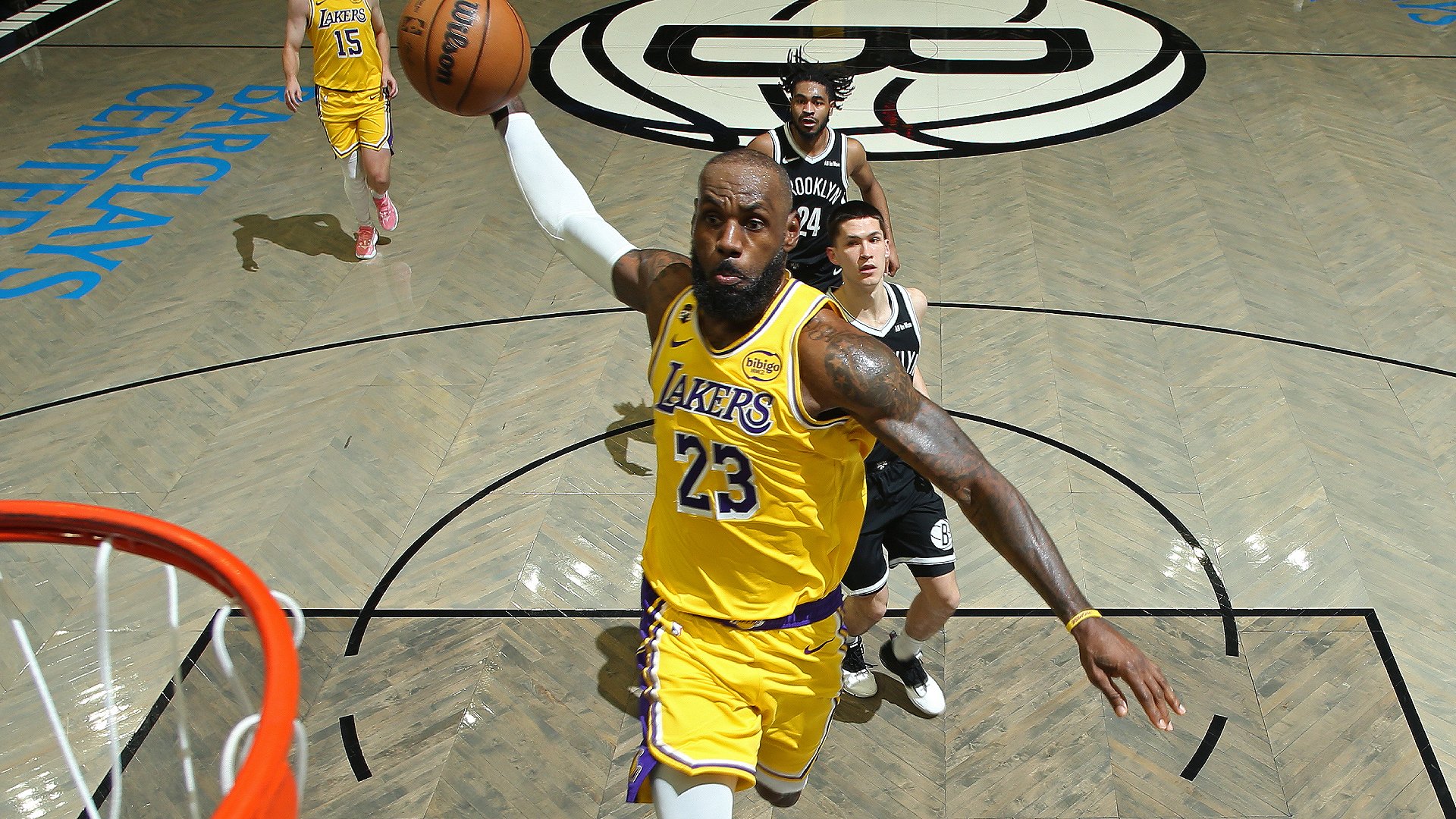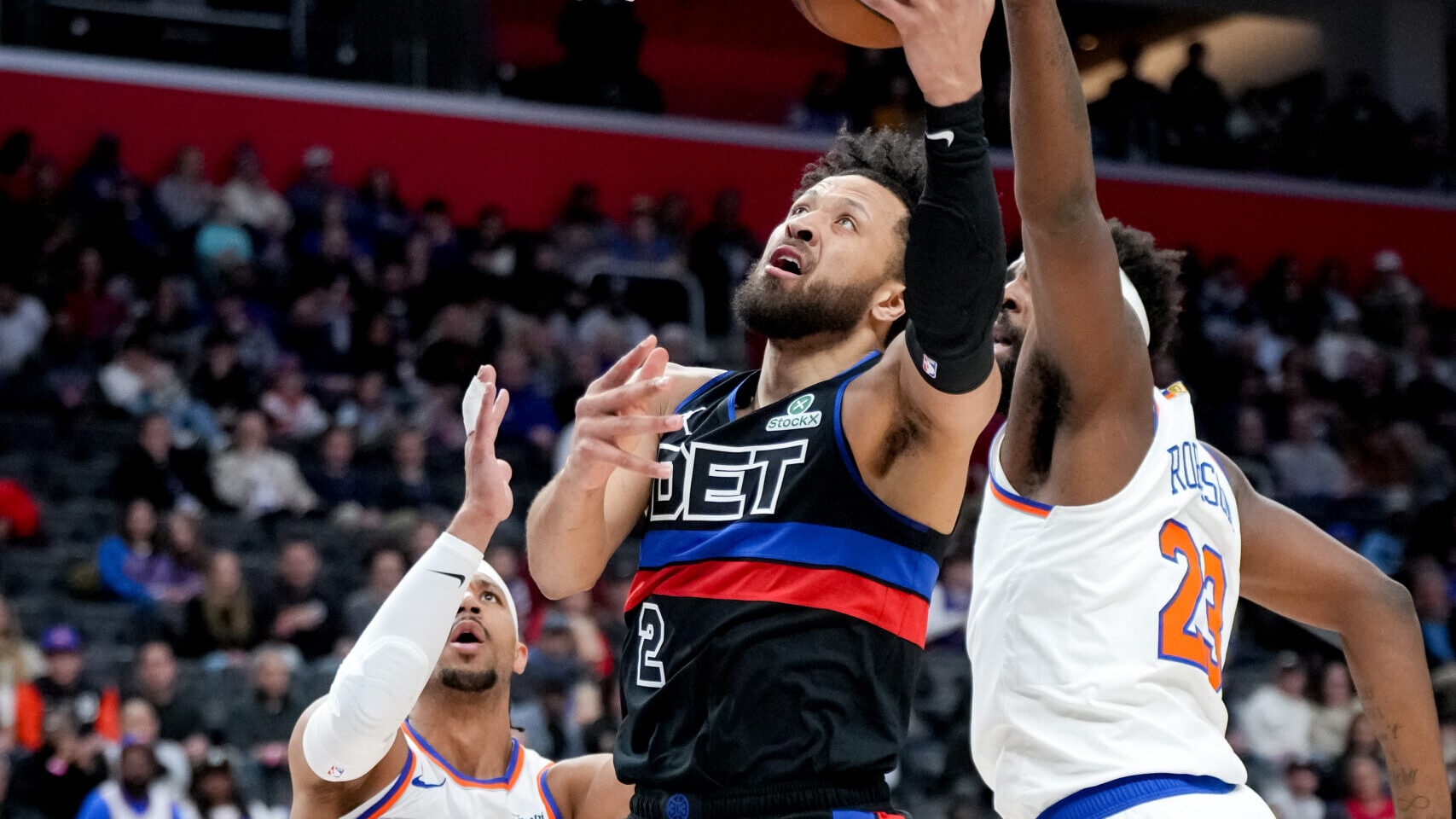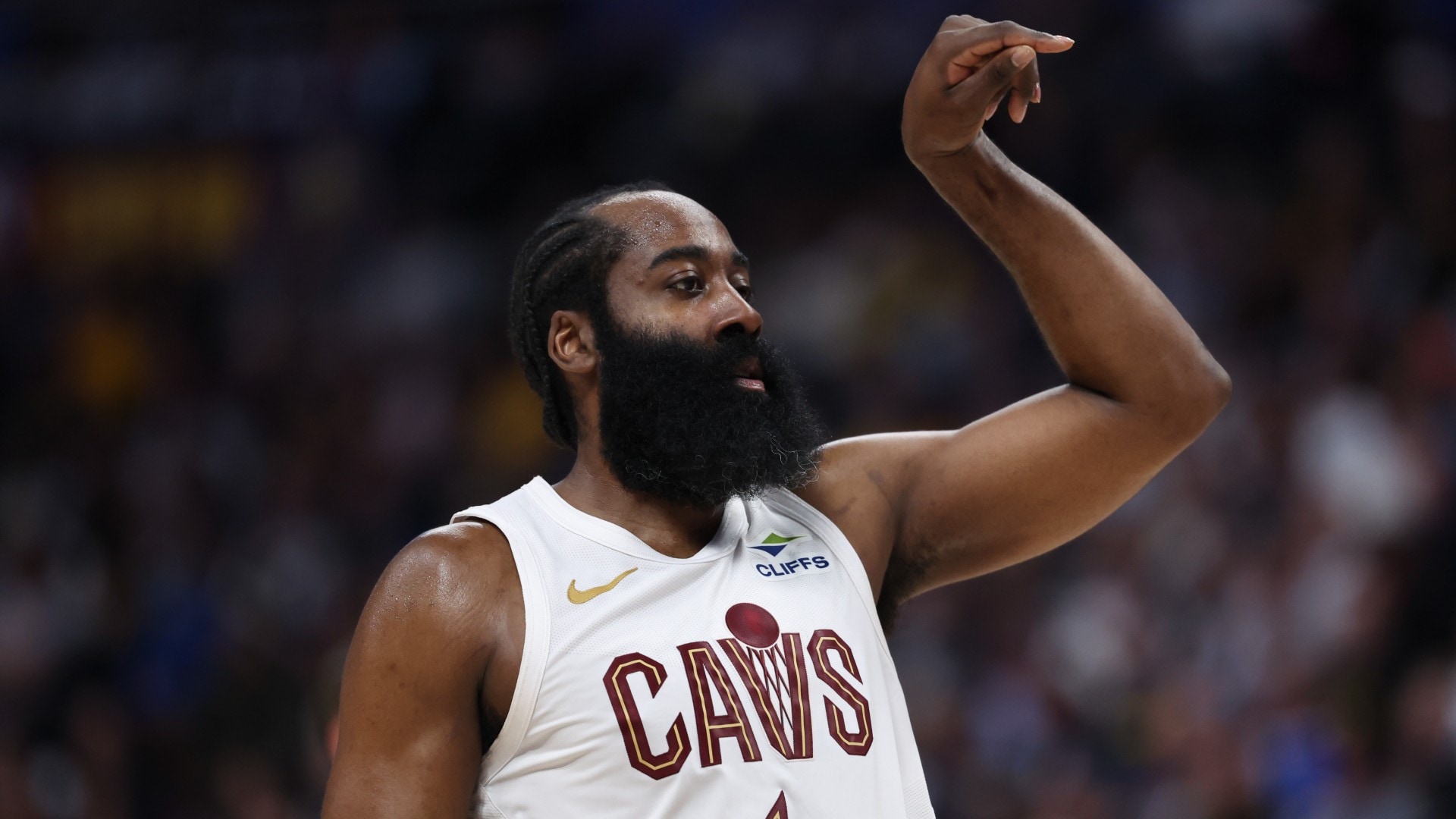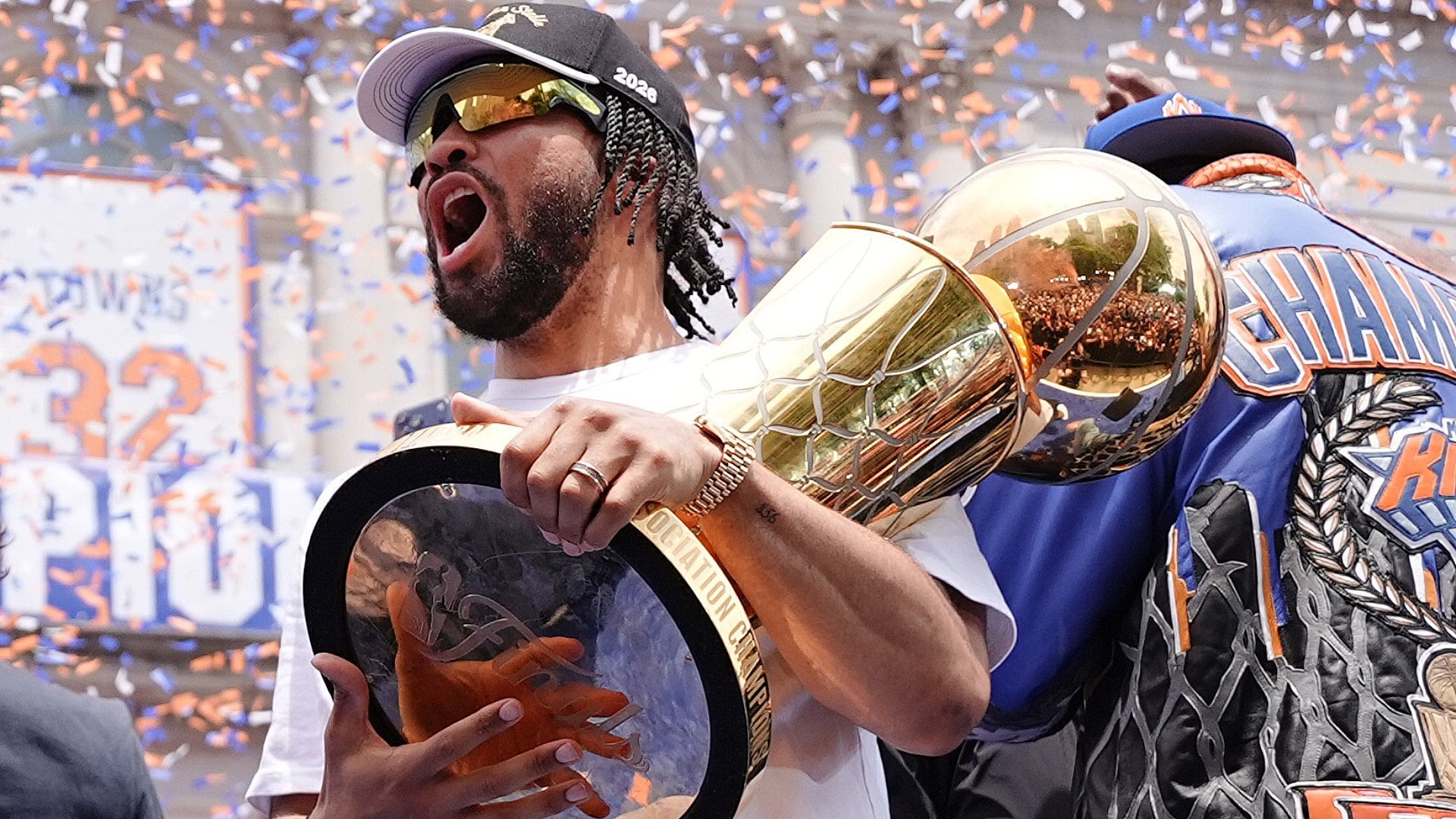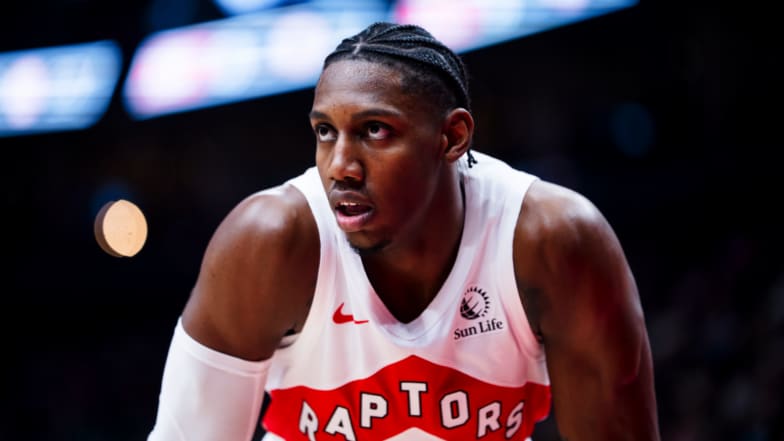
RJ Barrett is averaging 18.5 points, 5.2 rebounds and 3.6 assists this season.
If the Raptors’ offense has had a “new normal” this season, it’s this: the engine runs through Scottie Barnes and Brandon Ingram, and RJ Barrett is thriving as the guy who makes everything feel less complicated.
That might sound like faint praise, but it’s actually the point. Toronto doesn’t need Barrett to play superhero ball every night. They need him to be the third option who still bends the game — the wing who can punish a closeout, hit the open shot, and keep the floor from shrinking when defenses load up on the stars.
And so far? He’s done exactly that, posting 18.5 points, 5.2 rebounds and 3.6 assists per game while staying efficient enough to keep Toronto’s spacing functional.
The “third option” isn’t a demotion — it’s a cheat code
Barrett’s best stretches this season have come when his reads are simple:
- Barnes initiates, draws attention, and sprays the ball.
- Ingram operates in the mid-post or at the elbows, forcing help.
- Barrett attacks the advantage — catch, rip, drive, kick, finish.
That’s a much cleaner role than the hoping he can create something from nothing role that can turn a wing into a volume chucker. With Barnes and Ingram soaking up the top-tier defensive attention, Barrett gets more possessions where the defense is already tilted. His job becomes less about inventing shots and more about taking what’s there — and that’s where he’s looked comfortable.
Check out highlights from a recent RJ Barrett 28-point game.
It also helps that Toronto’s two headliners are legit, league-recognized guys: Barnes is an All-Star again, and Ingram made the All-Star team as a replacement. That matters, because defenses treat them like stars — and it creates the exact kind of one-step-late rotations that Barrett can feast on.
The catch-and-shoot 3 has changed the vibe
Barrett isn’t suddenly Steph, and nobody’s asking him to be. What Toronto needs is for him to be a credible catch-and-shoot threat so defenses can’t cheat off him to clog Barnes’ lanes or shade extra bodies toward Ingram’s midrange work.
That’s why the specific detail pops: Barrett is hitting 35.3% of his catch-and-shoot threes this season. It’s not just the percentage — it’s what it unlocks.
When that shot is falling at a respectable clip, it forces a simple choice:
- Stay hugged to Barrett on the perimeter … and give Barnes/Ingram more room to operate.
- Help off Barrett … and live with clean looks.
Toronto can win either way, but the whole system works better when opponents can’t take the ignore the third guy shortcut.
The numbers back up the eye test — this is one of his best seasons
Advanced stats aren’t everything, but they’re useful for confirming whether what looks real is actually real.
The biggest one here: Barrett’s PER is up to a career-high 17.1.
That tracks with what you’re seeing nightly: fewer wasted possessions, more decisive drives, and a role that emphasizes his strengths instead of forcing him to cosplay as a No. 1. He’s not trying to win every possession; he’s trying to win the possessions that belong to him — the swing plays, the second-side attacks.
And when you’re the third option next to two All-Star-level creators, that’s exactly how you become quietly essential.
The trade deadline “non-move” could be a real turning point
Even when a player says all the right things publicly, trade rumors can mess with you. Rotations change. Roles feel temporary. Every bad game gets framed like evidence.
Toronto getting through the Feb. 5 trade deadline without shipping Barrett out matters — not just on the court, but potentially in his head.
Mentally, that kind of clarity can be huge:
- You play freer because you’re not checking your phone after every game.
- You commit harder to the role because it’s not a month-to-month rental.
- You stop pressing to “prove” yourself and start stacking good habits.
For a player whose success is tied to rhythm — catch, drive, finish, repeat — that stability can show up in the most important way: consistent decision-making.

Health down the stretch is the swing factor
The other piece is simple and unglamorous: the Raptors need him available.
The goal now is keeping him in that sweet spot where he’s aggressive, physical, and downhill — without wearing down by late March and April.
Because if Toronto is going to be the version of itself that actually scares people, it’s not just Barnes and Ingram creating highlights. It’s Barrett being the steady third punch.
That’s the difference between a nice story, Raptors basketball, and we can win a series if things break right, Raptors basketball.
And through this point of the season, Barrett has looked like the kind of third option who doesn’t just fit — he stabilizes everything around him.