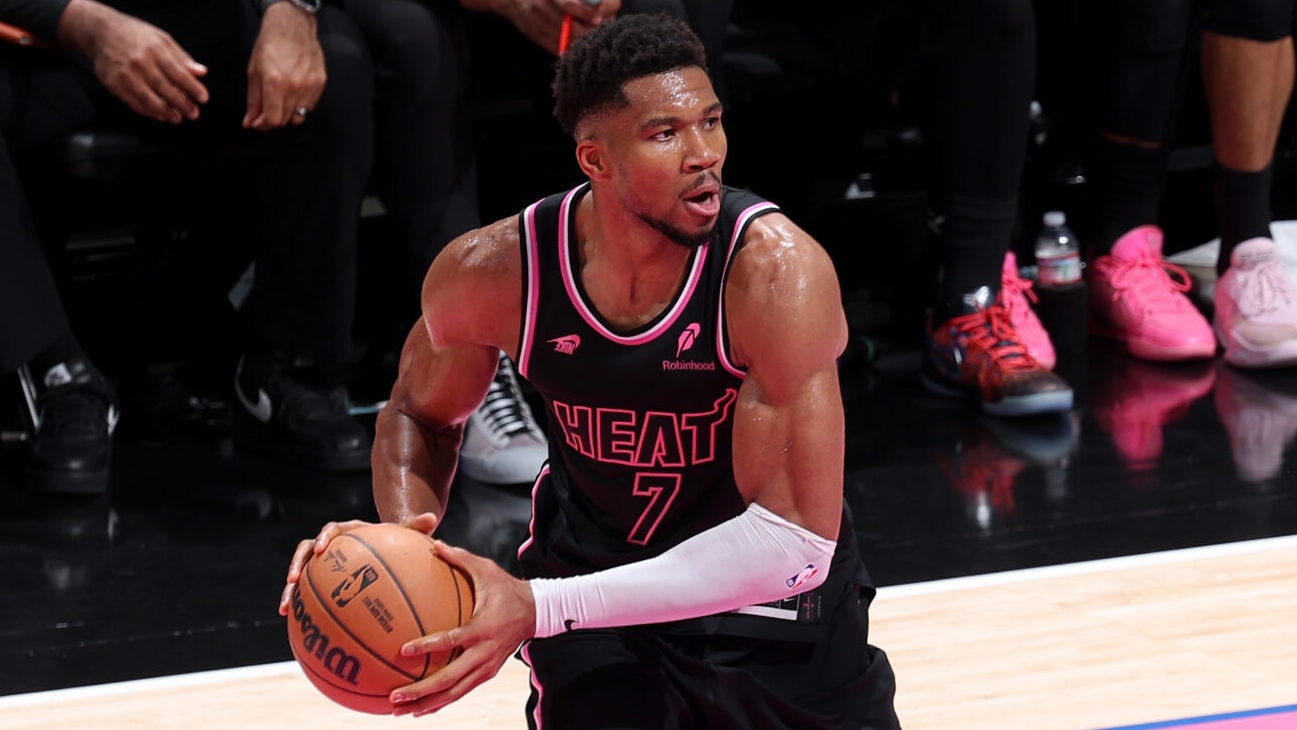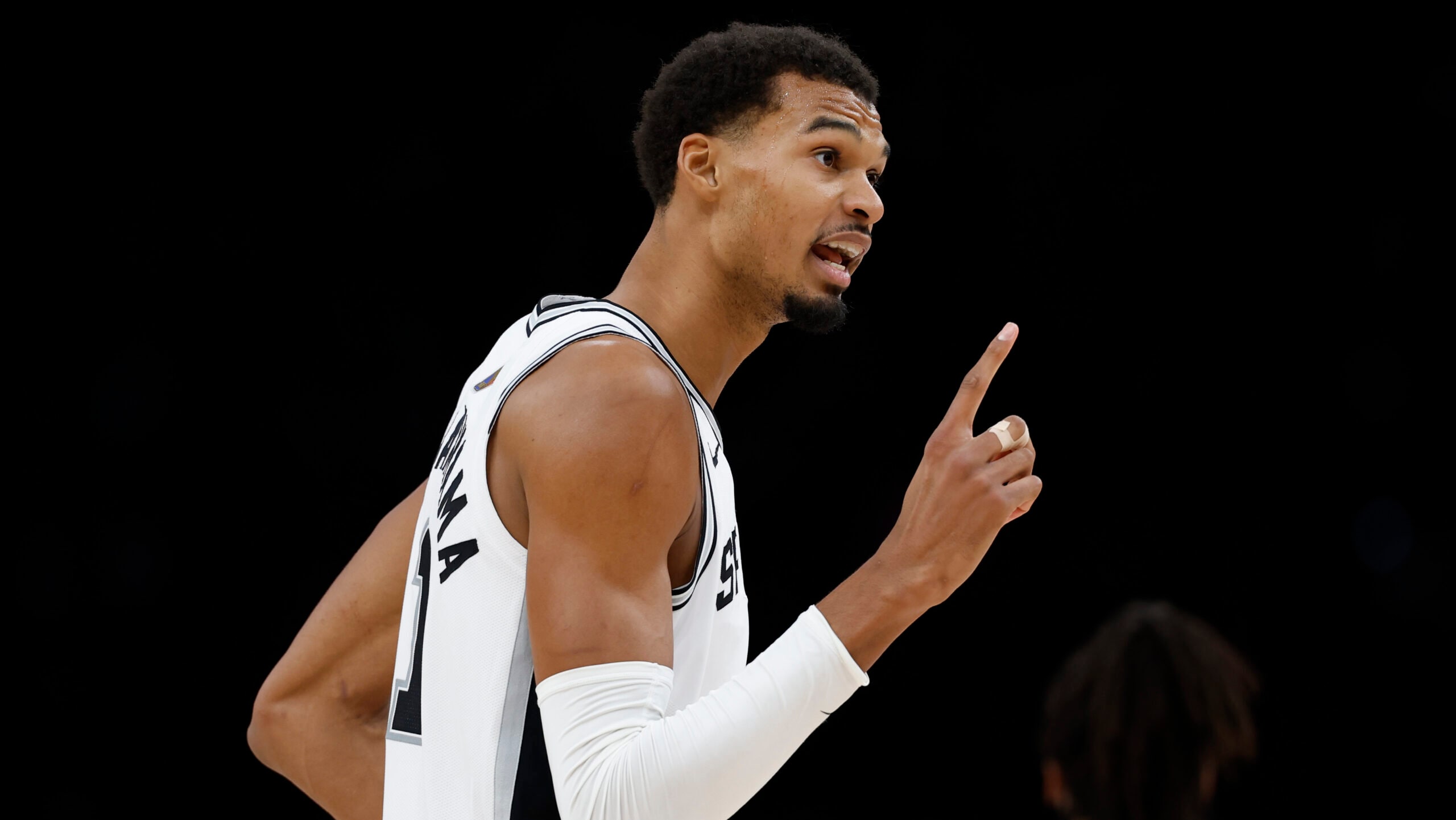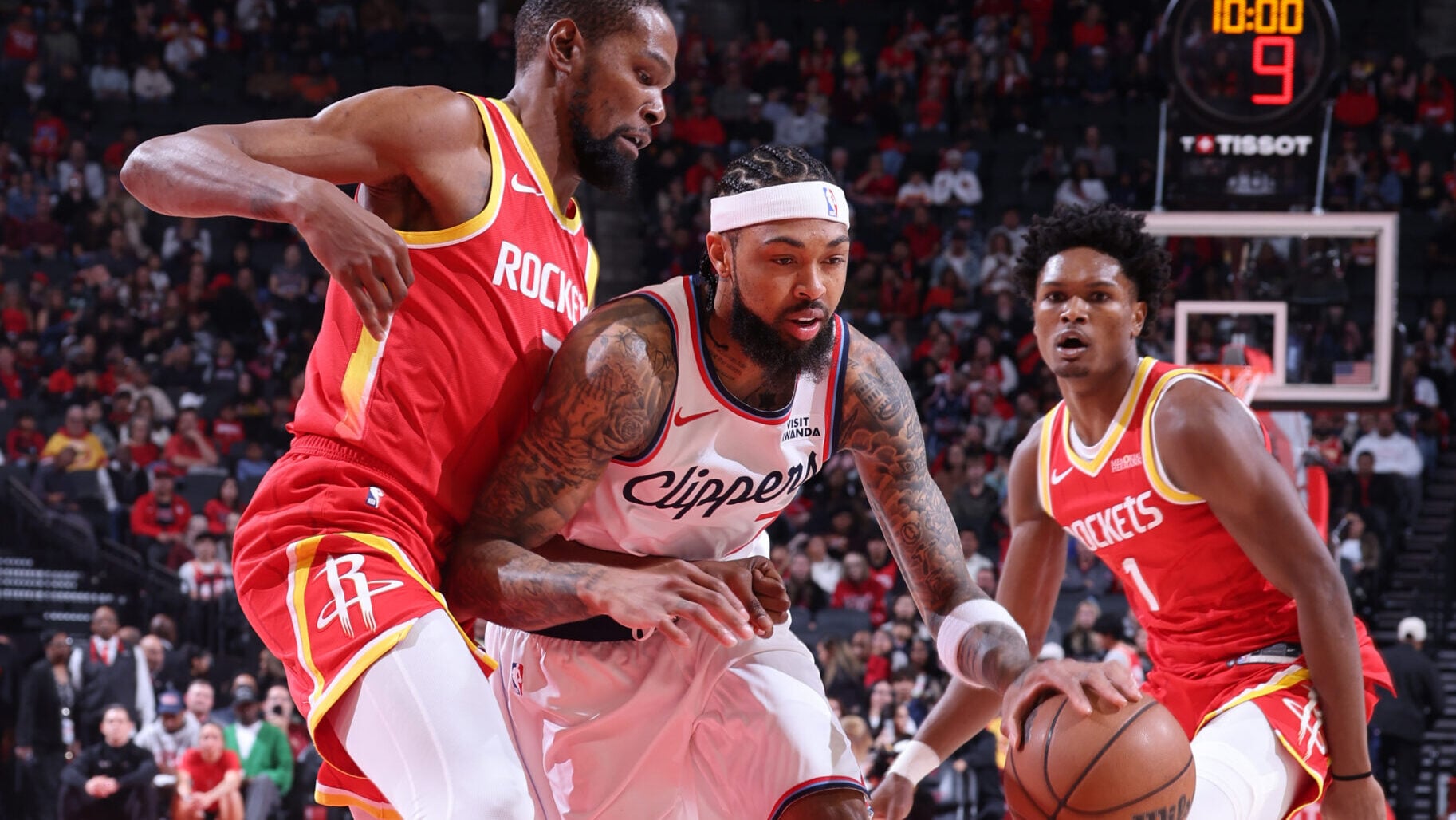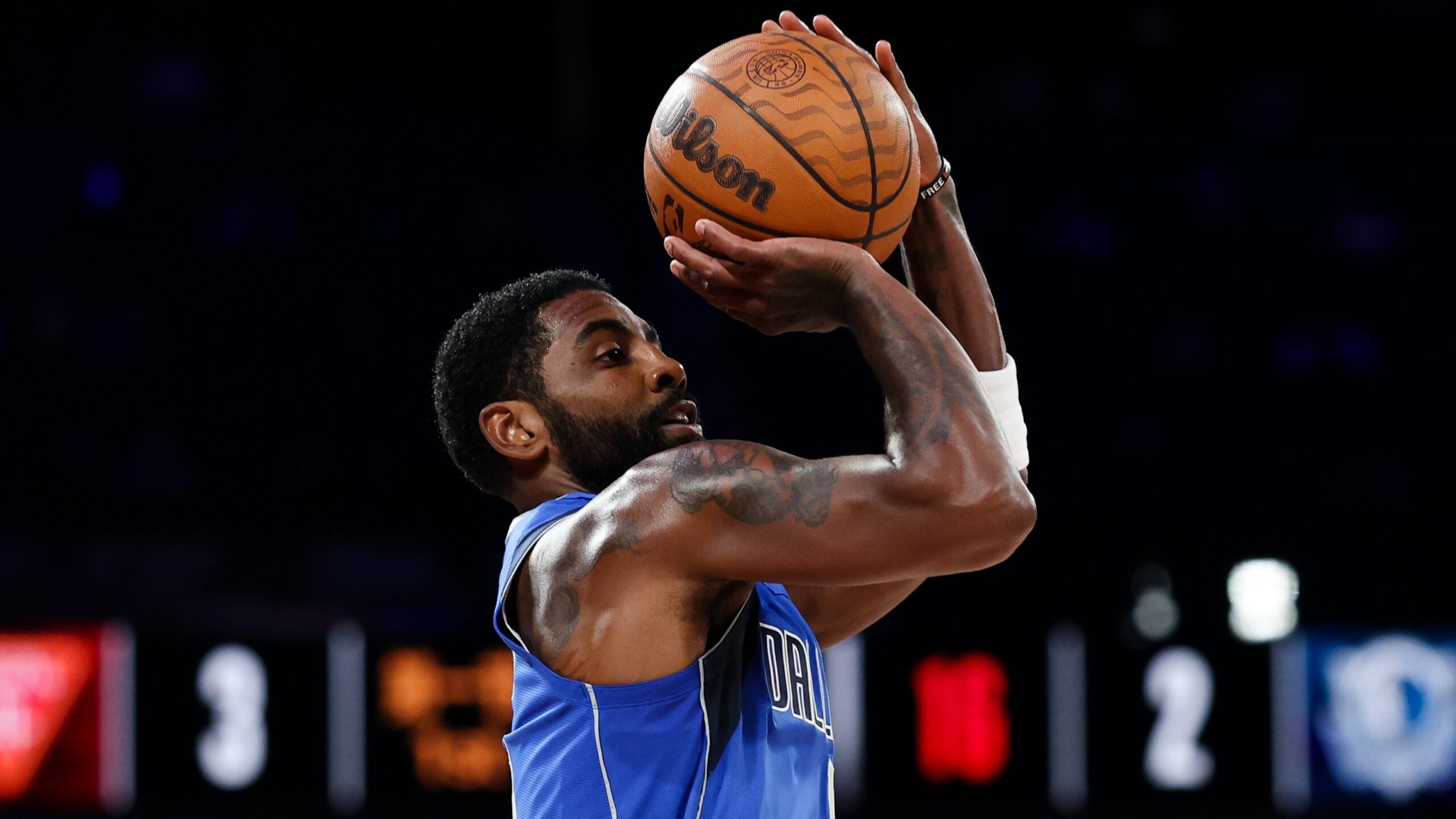
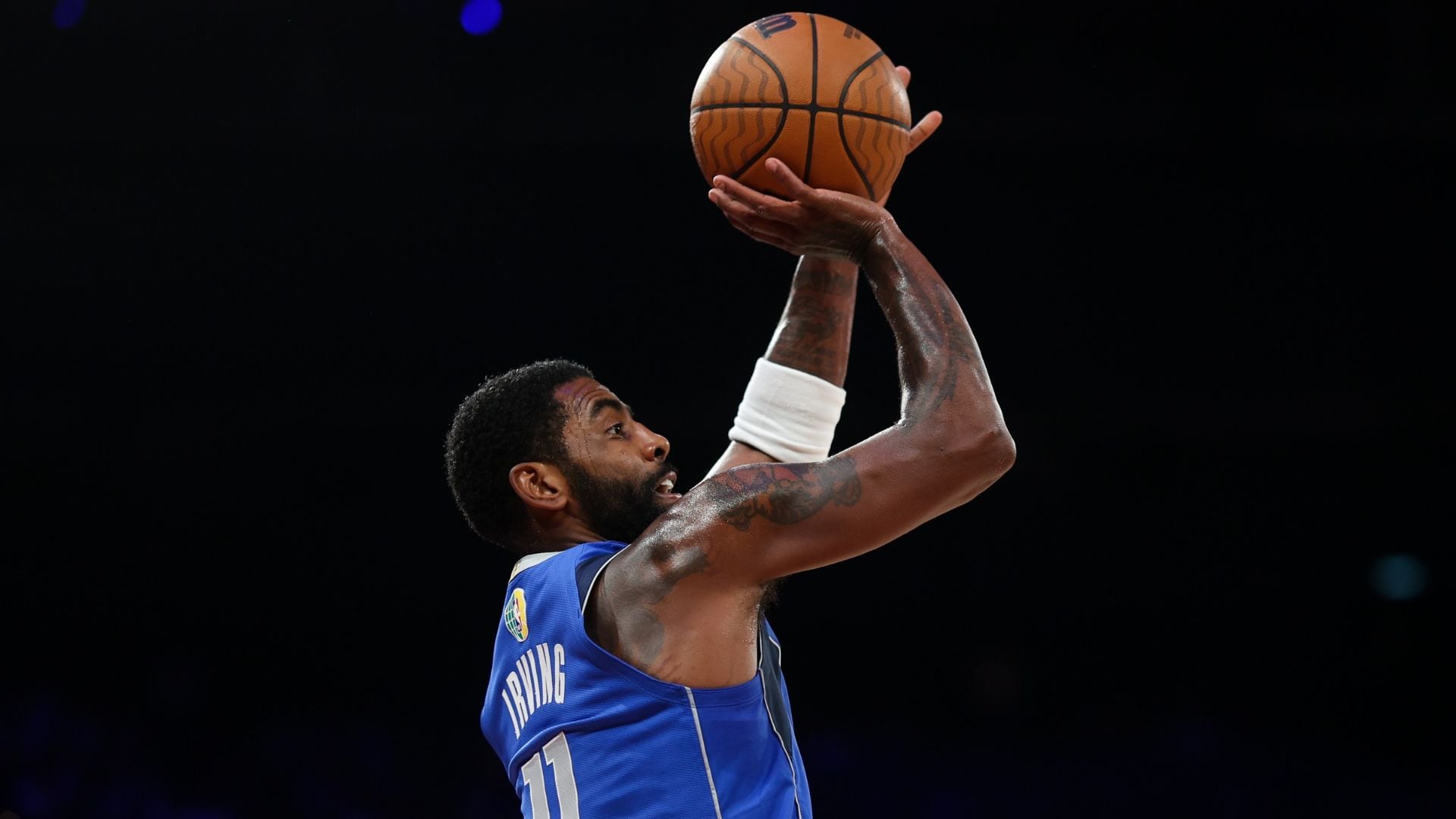
Dallas’ Kyrie Irving returned to the court this season after missing 586 days due to an ACL tear suffered in March 2025.
No one wants injuries. Not the athlete, the team, the franchise, the fans or the governing body.
But injuries happen. They are unavoidable, as all sports have proven over decades.
Injury prevention and player health and safety are at the top of the NBA’s priority list, and the league and its teams have employed doctors, sports scientists, athletic trainers and sports medicine specialists to help study injuries and find ways to curtail injuries.
“Injury prevention, in general, is one of the most significant challenges in sports, and the league prioritizes player health and safety,” NBA director of sports medicine Dr. John DiFiori told NBA.com. “A big component of that is looking at injuries and seeing what the patterns or trends may be. We take that very seriously. In fact, during the season, it’s a daily effort to continue to monitor things.
“With that said, obviously we’re very early in this season and the sample size is small. It doesn’t mean that we don’t carefully monitor things, but we have to be cautious that we don’t assume that things are going incredibly well or, oh no, the sky’s falling, what’s going on? However, even in that latter circumstance, we don’t just say, ‘OK, let’s wait until next month.’ We’re actively investigating and trying to understand if there is something we need to intervene.”
Unusual injuries and injuries to high-profile players have occurred in the first three weeks of the season. However, according to NBA injury-tracking data, through games of Nov. 22:
- Stars have played in 76% of games so far this season compared with 64% last season.
- Game-loss injuries among star players are down 15% season over season.
- Game-loss injuries among starter-level players are down 18% season over season.
“Right now, we’re about in the same general range at this point in the season as we have been for the last several years,” DiFiori said.
When it comes to injuries and injury rates, DiFiori and NBA senior vice president of player health Drew Galbraith used the word multifactorial. Just not one thing causes injuries, and significant resources have been allocated to investigate and find solutions.
Examining changes in style of the game
The way the game is played with spacing is one area of interest. Galbraith said the league has discussed with the Competition Committee the play style from previous high-pace eras, such as the late-1980s, to the current game.
“The game continues to shift in terms of how it’s played,” Galbraith said. “It is a game that is spread out over more parts of the court. … Those two games, when you look at them side by side, are unrecognizable in terms of how many different players are running up the court and covering different space around the court and defensive players engaging offensive players 25-to-30 feet from the basket in the half court and then picking them up most of the way down the court, three-quarter court.
“And because we’ve also looked at the data that says that over the last 10 years, a lot of things that might factor into intensity, things like the number of high-speed accelerations and decelerations, things like not only possessions per game, but also all the different factors that you might think would add into some total measurement of intensity. It’s a little bit of everything added together and unfortunately players get injured more often in the last several years than in previous decades.”
Looking at previous injuries – even before the NBA
There are circumstances that can’t be controlled, too, such as what injuries may have happened to a player before he got to the NBA. DiFiori offered a reasoned response.
“We have taken the time to really look at some of these different aspects of the game and there’s not one thing that is just this huge outlier that says this is the culprit. It’s not the case,” DiFiori said.
“I think most people in sports medicine and injury epidemiology would agree that the factor most commonly associated with an injury is a prior injury. And what we don’t know is the effect of what’s been going on, particularly in the last 10 years, in youth sports and in this case youth basketball and the competitive volume, the lack of recovery, the lack of monitoring and then the injuries that do happen. How do they affect elite level, professional level athletes as they progress to those levels? We’re actively looking at that. It’s a concern that I think is shared by a number of organizations and researchers.”
Incredible athletes doing incredible things
Today’s athletes in general have an unprecedented combination of size, speed, strength and are more explosive when it comes to twitch, torque and force. Is that contributing to injuries?
“We haven’t found a specific layer there,” Galbraith said. “You could pretty logically add those together to say that we’re seeing athletes continue to push the boundaries of elite athleticism in their bodies.
“I think what we typically see is that NBA players do as much as they can to try to maximize their opportunity to play and work hard to reduce injuries, but there are often different views even among experts on what that is – play more? Play less? Train a certain way? It is also about all the things they do off the court to take care of their bodies that’s critically important. But there’s something to how far these amazing athletes are pushing their bodies, and we may just be at a point where there’s only some very, very small percentages where they can continue to improve.”
Looking at length of season and games
Other points of interest are the amount of time spent on the court, whether it’s games played or length of the game. This season is not the first time it has been suggested that a shorter season (say, 70 games per team) or a shorter game (say, 40 minutes instead of 48) might be worth considering more strongly.
“We have spent a lot of time looking at that,” Galbraith said. “Of course, playing numerically less games in theory with less exposure, your number of injuries may go down. What we have looked at quite extensively is the injury rate for each week of the season over many, many seasons. And we don’t see the injury rate changing. The only time of year where there is a slightly significant increase is immediately the first three weeks after the All-Star break, and there have been seasons where we’ve seen higher rates of soft tissue injuries at the start of the season. We just talked about players getting rest and their bodies recovering. You think about a time where for the vast majority of players, they aren’t on a basketball court for a couple of days in a row. And then it’s that ramp-up after the All-Star break that catches more injuries than usual.
“But other than that, the rate is really consistent over the course of the year. It’s a little bit higher, but not statistically higher at the start of the year. If we shorten the season, we won’t necessarily see the floor drop out of the injury rate at all. The other piece is that the injury rate in the playoffs is significantly lower than the regular season.”
Dr. Brian Sutterer, who follows NBA injuries, said on X that “the only benefit of a shorter season are fewer games to get injured in. … data doesn’t support the schedule, back to backs, etc., as a factor in increased injuries. There also isn’t any support for the idea that load management and more rest days have done anything to reduce injuries.”
DiFiori acknowledged the complex considerations.
“It’s already high intensity and if you shorten the season, each game, each possession becomes even more meaningful,” DiFiori said. “What we don’t know is – and we try to anticipate – what are the unintended consequences? Well, we don’t know. But intensity could increase and we don’t know how that’s going to affect injuries. Those are all the things that you have to start to think about when you talk about compressing the season. And then when you do compress the season, it’s like, well, how many games would be needed to shorten the season to a point that could be potentially meaningful? And that’s a whole other question that I know Drew and others have looked at. It’s not like we shorten it by five games.”
On ramping up for the start of the season
Since there are injuries at the start of the season, training camp and preseason routines are being examined.
“One of the things we continue to do is work with our team staff on the best approaches for them to work with their players over the course of the offseason to be ready for preseason and then the 82-game regular season,” Galbraith said. “We obviously have a different setup than say the NFL where they have regulated checkpoints during the off season through OTAs where they do have the players in. The players are on that plan. That’s one of the things that we have to continue to work through: making sure that we’re putting the players in the best position possible where preseason is a valuable time for them to not only work on the basketball side of their upcoming season but also be physically ready for the demands of the season.
“We’re providing information and best practices and programs so that teams can work with players and their personal trainers to make sure that we’re setting people up for success when we have that brief preseason and then ultimately get into the season. We’ve done a lot of work there. We continue to do work there. And with all of these things, it really is collaborative between experts that we engage on these subjects as well as really talented team staff.”
DiFiori added: “We’re talking about this at the league level, but every day and in every season and every preseason, teams and their expert staffs are working very hard to try to prevent injuries and when they happen, get players back healthy. There’s a lot of focus on this, of course not just at the league level, but as Drew mentioned, all the teams are trying to achieve that with each of their players.”
* * *
Jeff Zillgitt has covered the NBA since 2008. You can email him at jzillgitt@nba.com, find his archive here and follow him on X.